PIL in Supreme Court seeks journalist safety protocol after Jantar Mantar attacks
Synopsis
A PIL filed in the Supreme Court on 25 July goes beyond the Jantar Mantar flashpoint — it asks India's highest court to mandate a permanent national safety framework for journalists at protests, while also demanding a neutral probe into alleged assaults, sexualised abuse, and death threats against media workers. The outcome could set a constitutional precedent for press protection during civil unrest.
Key Takeaways
Advocate Narendra Kumar Goswami filed a PIL in the Supreme Court on 25 July seeking a National Minimum Protocol for the Safety of Journalists during public protests.
The plea seeks a neutral, time-bound investigation into alleged attacks on media personnel at Jantar Mantar between 18–23 July 2025 .
Alleged incidents cited include an assault on Times Now reporter Dev Kotak , attacks on other journalists, and sexualised abuse and death threats against a woman reporter.
The petition calls for preservation of CCTV footage , body-camera recordings, drone footage, police deployment records, and original video files.
Related petitions on alleged excessive police force against student protesters are listed before the Supreme Court on 27 July ; the PIL seeks to be tagged with those proceedings.
A prior representation was submitted to authorities on 24 July with no comprehensive response, prompting the court filing.
A public interest litigation (PIL) has been filed before the Supreme Court seeking the creation of a National Minimum Protocol for the Safety of Journalists and Media Personnel during public protests, along with a neutral probe into the alleged targeting of media workers during demonstrations at Jantar Mantar in New Delhi between 18 July and 23 July 2025. The petition was filed on 25 July by advocate Narendra Kumar Goswami in his personal capacity.
What the PIL Demands
The writ petition seeks court directions to protect journalists, camerapersons, and media workers from targeted mob violence, sexualised abuse, intimidation, and obstruction while reporting from protest sites. It also calls for the preservation of all electronic evidence connected to the alleged incidents.
Specifically, the plea has sought preservation of CCTV footage, police videography, drone and body-camera recordings, wireless and control-room records, deployment records, medical records of victims, and original video files voluntarily submitted by journalists or media organisations.
Key Allegations Referenced in the Plea
The petition referred to reports of alleged assaults on Times Now reporter Dev Kotak, attacks on other journalists and camerapersons, incidents of intimidation, and allegations of sexualised abuse and death threats directed at a woman reporter — all reportedly occurring during the student protests at and around Jantar Mantar. The petition clarified that these accounts were not being presented as established facts, but were cited to underscore the need for evidence preservation and an independent investigation.
The plea quoted directly from its own text: 'The Constitution protects criticism of the media, boycott of a channel, peaceful slogans and robust public disagreement. It does not protect assault, criminal intimidation, gendered abuse, snatching, wrongful restraint, rioting or destruction of recording equipment.'
It further argued: 'The journalist is not the alter ego of a corporate employer. Even serious public distrust of mainstream television cannot become a private licence to inflict punishment upon the person holding a microphone.'
Scope and Constitutional Basis
The petitioner contended that the relief sought was 'carefully limited' to preservation of evidence, victim and witness protection, and neutral accountability — and did not seek adjudication on competing narratives surrounding the protests. The plea relied on multiple Supreme Court judgments to argue that freedom of expression cannot be surrendered to threats of violence, and that the government carries a constitutional obligation to protect lawful expression and preserve evidence.
A representation seeking these same measures had reportedly been submitted to the authorities on 24 July, but no comprehensive response had been received, prompting the filing of the PIL.
Procedural Links and What Comes Next
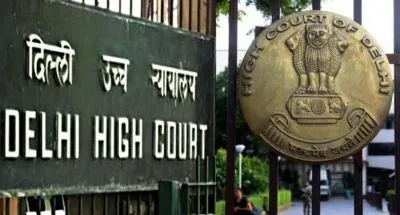
The petition disclosed that related petitions concerning allegations of excessive police force against student protesters are scheduled to be listed before the Supreme Court on 27 July, while separate proceedings concerning the Delhi incidents are pending before the Delhi High Court. The petitioner has sought tagging of the present PIL with those connected matters, or its treatment as a companion proceeding.
The plea described its purpose as 'a constitutional plea for neutral accountability: protect peaceful protest; protect journalists; protect police personnel acting lawfully; prosecute individual violence; investigate unlawful force; and preserve the evidence required to distinguish one from the other.' The Supreme Court's response to the PIL, and whether it will be tagged with the 27 July hearings, is expected to set the tone for how media safety during protests is addressed at the highest judicial level.
Point of View
The conduct of police, or the credibility of any particular news channel. That restraint is strategic — by framing the petition as a constitutional plea for evidence preservation and neutral accountability, the petitioner sidesteps the political minefield and gives the Supreme Court a narrow, procedural foothold. Yet the broader stakes are significant. India has no codified national protocol for journalist safety at protests, and incidents of press obstruction at public demonstrations have recurred with little systemic consequence. If the court entertains the PIL and orders even a time-bound status report, it would be the first formal judicial nudge toward such a framework. The risk is that the case gets subsumed into the larger political controversy around the Jantar Mantar protests — which would obscure the structural question the petition actually raises.
NationPress
25 Jul 2026
Frequently Asked Questions
What is the PIL filed in the Supreme Court about journalist safety?
The PIL, filed on 25 July by advocate Narendra Kumar Goswami, seeks Supreme Court directions to create a National Minimum Protocol for the Safety of Journalists during public protests and to order a neutral investigation into alleged attacks on media personnel at Jantar Mantar between 18 and 23 July 2025. It also demands preservation of all electronic evidence related to the incidents.
What incidents at Jantar Mantar prompted the PIL?
The petition references reports of an alleged assault on Times Now reporter Dev Kotak, attacks on other journalists and camerapersons, and allegations of sexualised abuse and death threats directed at a woman reporter during student protests at Jantar Mantar. The petition notes these reports are cited to establish the need for an investigation, not as proven facts.
What evidence does the PIL want preserved?
The plea seeks preservation of CCTV footage, police videography, drone and body-camera recordings, wireless and control-room records, deployment records, medical records of victims, and original video files submitted by journalists or media organisations — to ensure a credible independent investigation.
How does this PIL relate to other Supreme Court proceedings?
Separate petitions concerning alleged excessive police force against student protesters at the same Jantar Mantar demonstrations are listed before the Supreme Court on 27 July. The petitioner has sought that the journalist-safety PIL be tagged with those matters or treated as a companion proceeding.
What is the constitutional argument made in the PIL?
The petition argues that freedom of expression cannot be surrendered to threats of violence and that the government has a constitutional duty to protect lawful expression and preserve evidence. It relies on multiple Supreme Court precedents and draws a clear line between constitutionally protected dissent — such as boycotts or slogans — and criminal acts like assault, intimidation, and destruction of equipment.