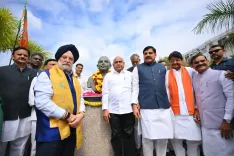
Piyush Goyal Chairs CPG Roundtable to Digitise Kirana Trade
Synopsis
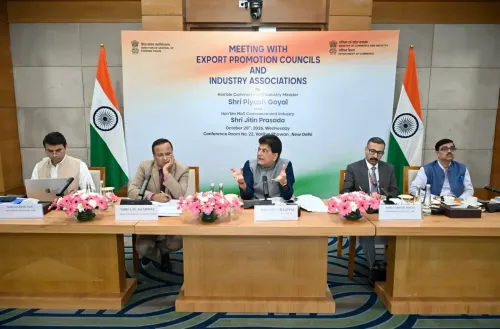
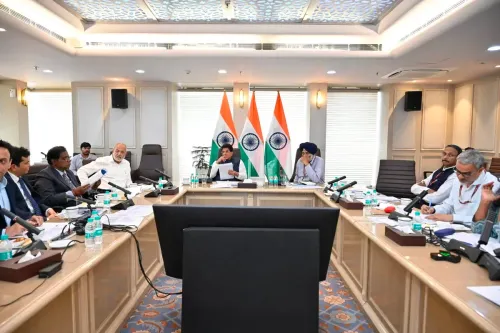
Union Commerce Minister Piyush Goyal chaired a CPG Roundtable under the Bharat Commerce Chintan Shivir on 31 October 2026, deliberating on ONDC's DigiDukaan initiative to digitise India's vast kirana retail network and strengthen general trade supply chains.
Key Takeaways
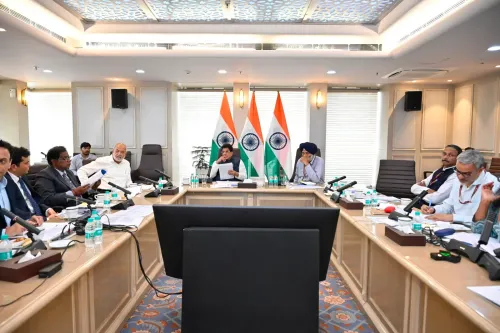
Union Commerce Minister Piyush Goyal chaired the Consumer Packaged Goods Roundtable under the Bharat Commerce Chintan Shivir on 31 October 2026 .
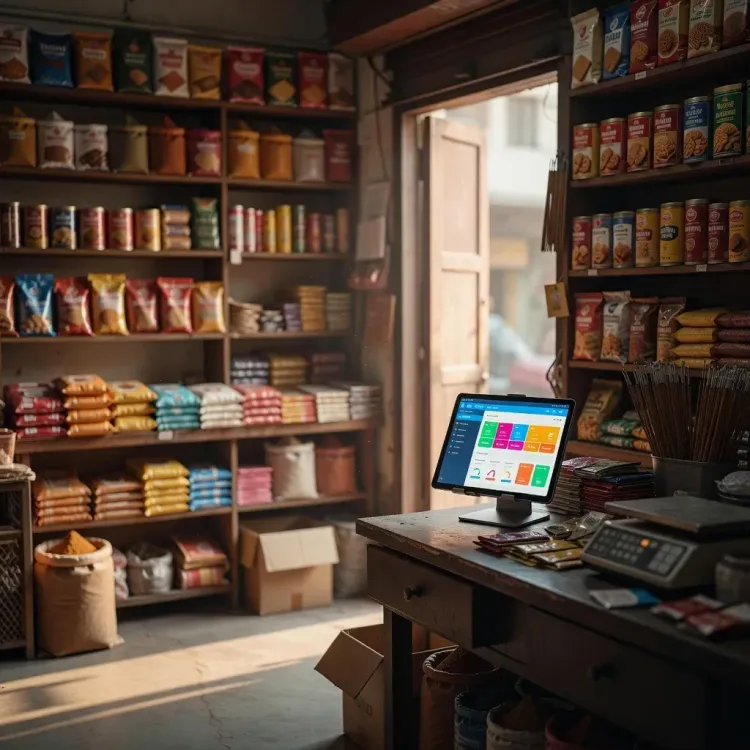
ONDC's DigiDukaan initiative was the focal point, aimed at bringing kirana retailers onto an open, interoperable digital commerce network.
Deliberations covered digital technology adoption, market access, and supply chain efficiency for general trade retailers.
ONDC , backed by DPIIT, has been operating since pilot launches in 2022 to democratise digital commerce beyond large proprietary platforms.
The roundtable emphasised industry-wide collaboration to build an inclusive and digitally empowered retail ecosystem.
Kirana onboarding metrics under DigiDukaan and any follow-up digital retail standards from the Commerce Ministry will be key indicators of progress.
India's 85 million-plus kirana stores — the backbone of the country's retail economy — moved a step closer to the digital mainstream on Saturday, 31 October 2026, as Union Commerce and Industry Minister Piyush Goyal chaired a Consumer Packaged Goods (CPG) Roundtable under the Bharat Commerce Chintan Shivir, focused squarely on rewiring general trade through technology.
DigiDukaan at the Centre of the Conversation
The roundtable zeroed in on ONDC's DigiDukaan initiative — a programme designed to bring neighbourhood kirana retailers onto an open, interoperable digital commerce network without forcing them into any single proprietary platform. Goyal said deliberations covered 'expanding digital technology adoption among Kirana retailers, enhancing market access and improving supply chain efficiency,' making clear the government sees general trade modernisation as a strategic priority, not an afterthought.
ONDC — the Open Network for Digital Commerce — is backed by the Department for Promotion of Industry and Internal Trade (DPIIT) and has been building an open protocol stack since its pilots launched in 2022. The architecture allows a small shop in Patna or Pune to receive digital orders from any buyer-side app on the network, levelling the field against large, vertically integrated e-commerce platforms.
Why Kirana Digitisation Is a Hard Problem
For all the progress of UPI and digital payments, India's fast-moving consumer goods supply chain still runs largely on informal credit, personal relationships, and distributor visits. Onboarding a kirana store onto a digital ordering and inventory system means solving for smartphone literacy, last-mile logistics, and working-capital access — simultaneously. That is the terrain DigiDukaan is designed to navigate.
The CPG sector — manufacturers and distributors of packaged food, personal care, and household goods — has a direct stake here. A digitised general trade channel means real-time demand signals, leaner inventories, and reduced cash-in-transit risk. Goyal's emphasis on 'fostering collaboration among industry stakeholders' signals the Ministry is pushing for a co-investment model rather than top-down mandates.
ONDC's Broader Digital Public Infrastructure Play
The DigiDukaan push sits inside a larger architecture of digital public infrastructure that successive administrations have assembled — UPI for payments, Account Aggregator for credit data flows, and now ONDC for commerce itself. The logic is consistent: build an open protocol, let the private sector build products on top, and let small businesses benefit without paying platform rent. ONDC's reported onboarding numbers and transaction volumes will be the real scorecard for whether this roundtable translates into action on the ground.
The Commerce Ministry is expected to track DigiDukaan-linked kirana onboarding metrics and may follow up with digital retail standards that formalise the pathway for millions of micro-traders still operating entirely offline.
The kirana store has survived supermarkets, modern retail chains, and quick-commerce apps. Whether it can absorb a digital layer — and on its own terms — may be the defining retail story of the next decade.
Point of View
Account Aggregator, ONDC — to integrate India's informal economy into formal digital channels without mandating platform allegiance. For the Commerce Ministry, kirana digitisation is both an economic efficiency play and a political one: millions of small traders are a core constituency. The real test will come in the onboarding numbers — past digital commerce initiatives have announced ambition far ahead of adoption. Goyal chairing the session personally signals the Ministry wants to drive accountability, not just optics.
NationPress
31 Oct 2026
Frequently Asked Questions
What is ONDC's DigiDukaan initiative?
DigiDukaan is an initiative under ONDC — the Open Network for Digital Commerce — designed to help kirana and general trade retailers access digital orders and supply-chain tools through an open, interoperable network rather than being tied to a single proprietary e-commerce platform.
What is the Bharat Commerce Chintan Shivir?
The Bharat Commerce Chintan Shivir is a policy deliberation forum convened under the Commerce Ministry where government officials, industry representatives, and trade stakeholders meet to discuss commerce and trade priorities for India.
What is ONDC and when did it start?
ONDC, or the Open Network for Digital Commerce, is a DPIIT-backed initiative that built an open protocol for e-commerce, allowing buyers and sellers across different platforms to transact seamlessly. Its pilots began in 2022.
How does kirana digitisation benefit small retailers?
Digitising kirana stores can give small retailers access to a wider customer base via digital orders, improve inventory management through real-time data, and streamline supply chain logistics — all without requiring large capital investment or platform dependency.
What did Piyush Goyal say at the CPG Roundtable?
Goyal emphasised expanding digital technology adoption among kirana retailers, enhancing their market access, improving supply chain efficiency, and fostering collaboration among industry stakeholders to build an inclusive and digitally empowered retail ecosystem.