Piyush Goyal meets GEDU CEO on India-UK education ties
Synopsis
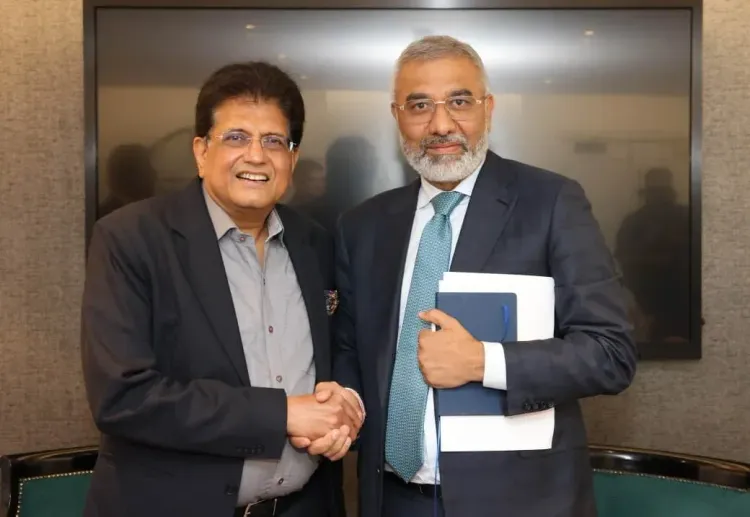
Commerce Minister Piyush Goyal met GEDU Global Education CEO Dr. Vishwajeet Rana on 27 June 2026 to explore deepening India-UK cooperation in higher education, skills, and innovation, with a focus on leveraging the proposed India-UK CETA to build stronger industry-academia partnerships.
Key Takeaways
Union Commerce Minister Piyush Goyal held a meeting with Dr.
Vishwajeet Rana , Group CEO of GEDU Global Education , on 27 June 2026 .
Discussions covered India-UK collaboration in higher education, skills, and innovation .
Both sides explored how the proposed India-UK CETA could foster stronger industry-academia partnerships .
India-UK CETA negotiations were formally launched in January 2022 following Brexit.
India's National Education Policy 2020 underpins the push for internationalisation of higher education.
The meeting reflects India's strategy of positioning education services as a key chapter within bilateral trade agreements.
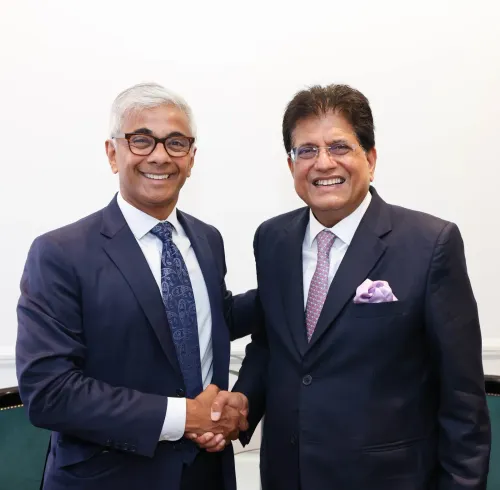
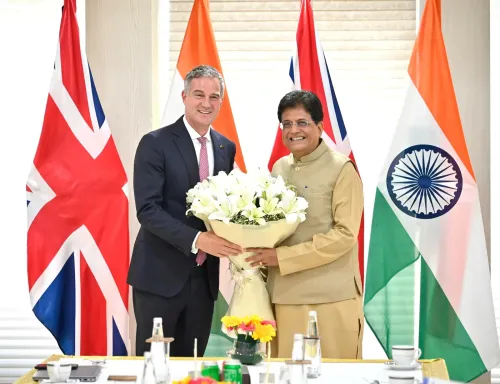
Union Commerce and Industry Minister Piyush Goyal met Dr. Vishwajeet Rana, Group CEO of GEDU Global Education, on Saturday, 27 June 2026, to explore ways of deepening bilateral cooperation in higher education, skills, and innovation between India and the United Kingdom.
Context
Minister Goyal described the meeting as 'productive', with both sides exchanging views on how the proposed India-UK Comprehensive Economic and Trade Agreement (CETA) could be leveraged to forge stronger industry-academia partnerships. The discussion also centred on creating 'new opportunities for shared growth between both countries', in the minister's own words.
GEDU Global Education is a UK-headquartered international education group that operates partnerships between British higher education institutions and overseas markets, including India. Dr. Vishwajeet Rana leads the group as its Group CEO.
Policy Backdrop
India and the United Kingdom formally launched negotiations for a bilateral free trade agreement — later styled the CETA — in January 2022, following the UK's exit from the European Union. The deal is intended to liberalise goods, services, investment, and regulatory cooperation between the two economies.
India's National Education Policy 2020 had already set an ambitious agenda for the internationalisation of higher education, permitting foreign universities to establish a presence in India and encouraging two-way mobility of students and faculty. Education and skills have since been consistently positioned by Indian negotiators as a services-export priority within trade agreement frameworks.
For the post-Brexit UK, striking deals with large emerging economies such as India has been a central plank of its independent trade strategy, aimed at offsetting reduced EU market access. Meetings of this nature — between a senior commerce minister and private-sector education providers — illustrate the blending of commercial diplomacy with sector-specific promotion.
Stakeholders and Impact
The primary beneficiaries of deeper India-UK education collaboration would be higher education institutions on both sides, as well as students and skilled professionals who stand to gain from expanded mobility pathways and joint academic programmes. Industry partners seeking a pipeline of trained talent across sectors such as technology, healthcare, and financial services also have a direct stake in the outcome of any dedicated education or mobility annexes within the CETA.
For India, stronger industry-academia linkages with British institutions could accelerate the skilling agenda at scale, while UK universities and education groups like GEDU gain access to one of the world's largest and fastest-growing student markets.
What's Next
Attention will now turn to the conclusion of remaining CETA chapters, and in particular to whether a dedicated education or mobility annex is included in the final text. The next meeting of the India-UK Joint Economic and Trade Committee or a broader Strategic Partnership review could provide the formal institutional setting for translating discussions such as Saturday's into binding commitments.
Minister Goyal's engagement with a private education group signals that the commerce ministry views the education-services chapter of the CETA as commercially significant, not merely symbolic — a posture that may influence the pace and ambition of ongoing negotiations.
Point of View
The commerce ministry signals that education services are not a peripheral annex but a substantive negotiating priority. For the UK, whose post-Brexit trade strategy depends on securing market access in high-growth economies, India's large student population and expanding middle class make education a commercially attractive chapter. The outcome of such ministerial-level engagements will likely shape the ambition and specificity of any mobility or mutual-recognition provisions in the final CETA text.
NationPress
27 Jun 2026
Frequently Asked Questions
What did Piyush Goyal discuss with GEDU Global Education?
Minister Piyush Goyal discussed avenues to strengthen India-UK collaboration in higher education, skills, and innovation, and explored how the proposed India-UK CETA could foster stronger industry-academia partnerships.
What is the India-UK CETA?
The India-UK Comprehensive Economic and Trade Agreement (CETA) is a proposed bilateral trade deal, negotiations for which were formally launched in January 2022 after the UK's exit from the European Union. It aims to liberalise trade in goods, services, and investment between the two countries.
Who is Dr. Vishwajeet Rana?
Dr. Vishwajeet Rana is the Group CEO of GEDU Global Education, a UK-based international education group that operates partnerships between British higher education institutions and overseas markets including India.
How does India's National Education Policy 2020 relate to India-UK education ties?
India's National Education Policy 2020 set targets for internationalising higher education, including permitting foreign universities to operate in India and encouraging two-way student and faculty mobility, which provides the policy foundation for bilateral education partnerships such as those discussed with GEDU.
What is the significance of education in India-UK trade negotiations?
India has consistently sought to position education and skills as services exports within its trade agreements. For the post-Brexit UK, access to India's large student and professional market makes education a commercially significant chapter in the CETA negotiations.