Piyush Goyal Meets UK Counterpart in London on CETA
Synopsis
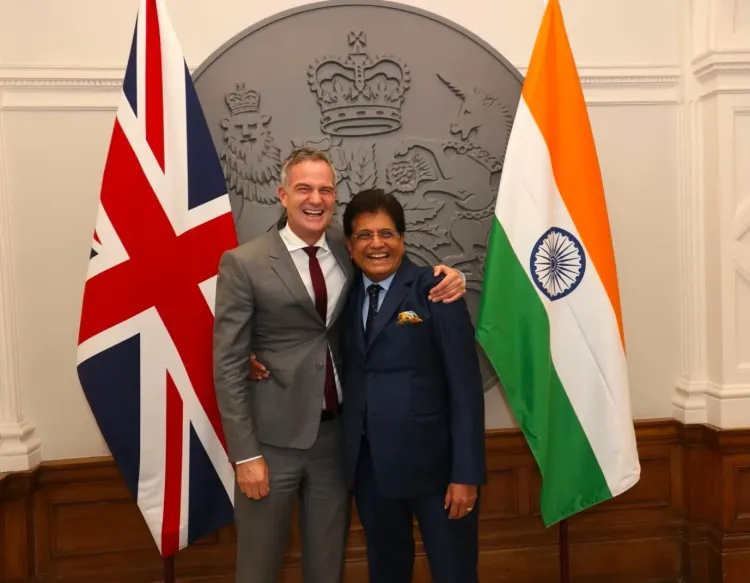
Union Commerce Minister Piyush Goyal met UK counterpart Peter Kyle in London to deepen bilateral trade ties. With the India-UK CETA and Double Contribution Convention set to take effect on July 15, 2026, both sides reaffirmed commitment to innovation, investment, and growth.
Key Takeaways
Piyush Goyal held bilateral talks with UK counterpart Peter Kyle in London on June 27, 2026 .
The India-UK Comprehensive Economic and Trade Agreement (CETA) is set to come into effect on July 15, 2026 .
The Double Contribution Convention (DCC) will eliminate double social-security contributions for mobile workers between India and the UK, also effective July 15, 2026 .
Negotiations for the CETA were formally launched in January 2022 under the India-UK Enhanced Trade Partnership framework.
Key beneficiaries include Indian exporters in IT, pharmaceuticals, and textiles, and UK services firms in finance and education.
Parliamentary ratification and finalisation of tariff schedules remain the critical steps before the agreements take effect.
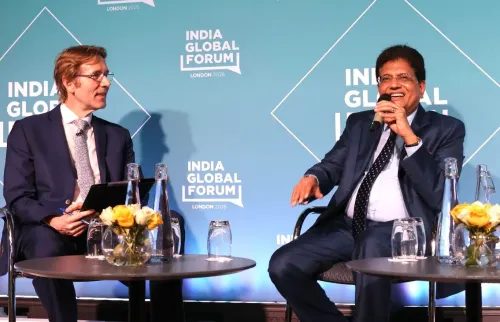
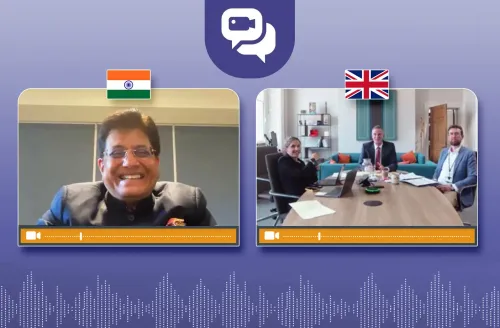
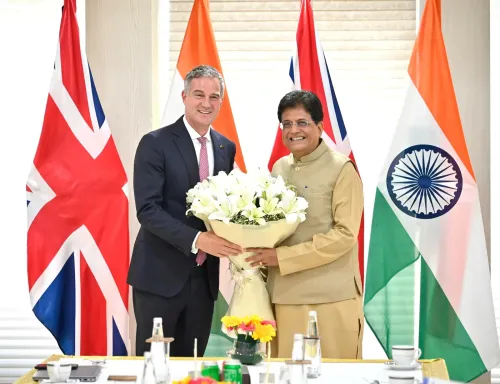
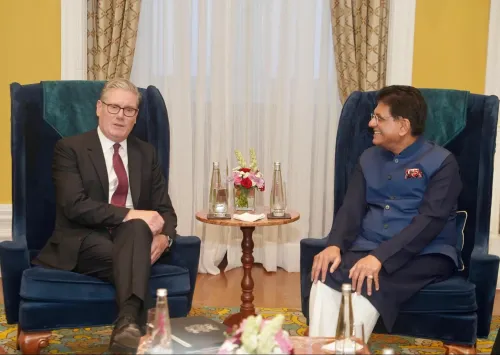
Union Commerce and Industry Minister Piyush Goyal held bilateral talks with his UK counterpart Peter Kyle in London on Friday, June 27, 2026, focusing on deepening economic and trade ties between India and the United Kingdom. The meeting centred on opportunities opened up by the India-UK Comprehensive Economic and Trade Agreement (CETA) and the Double Contribution Convention (DCC), both of which are set to come into effect on July 15, 2026.
Context
Minister Goyal described the discussions as 'meaningful,' noting that the conversation 'reflected the warmth, trust and forward-looking vision that continue to define our bilateral partnership.' The meeting with Peter Kyle, who serves as the UK's ministerial counterpart on trade and technology matters, signals continued high-level political commitment from both sides ahead of the agreements' entry into force.
The two sides explored 'new opportunities to deepen India-UK economic and trade cooperation,' according to Goyal's post, with both nations reaffirming their commitment to 'fostering an ecosystem that promotes innovation, investment, and holistic growth.'
Policy Backdrop
The India-UK CETA has been in negotiation since January 2022, when formal talks were launched under the India-UK Enhanced Trade Partnership framework agreed in 2021. The agreement aims to liberalise flows of goods, services, and investment between the two economies, with professional services, technology, and education identified as high-potential sectors.
The Double Contribution Convention (DCC) addresses a long-standing concern for mobile workers — eliminating the requirement to pay pension and social-security contributions in both countries simultaneously. For Indian IT professionals and other skilled workers employed in the UK, this has been a significant practical barrier. Together, the CETA and DCC represent the most comprehensive bilateral economic architecture India and the UK have agreed since India's independence.
India has accelerated bilateral free-trade agreements with Western partners in recent years as part of a broader strategy to diversify export markets beyond traditional destinations. The UK, pursuing its own post-Brexit trade agenda, has similarly prioritised a deal with India as one of its most consequential new partnerships.
Stakeholders and Impact
Indian exporters in sectors such as textiles, pharmaceuticals, engineering goods, and IT services stand to benefit from reduced tariff and non-tariff barriers under the CETA. UK services firms — particularly in finance, legal services, and higher education — are expected to gain improved market access to India's large and growing consumer base.
The DCC is of particular significance to the estimated 55,000–60,000 Indian nationals on short-term work assignments in the UK, who currently face double social-security deductions. Once in force, the convention will allow contributions made in one country to count toward entitlements in both, reducing the cost of cross-border professional mobility.
What's Next
With the July 15, 2026 effective date approaching, attention now turns to parliamentary ratification processes in both countries and the finalisation of sector-specific tariff schedules. Industry bodies and trade associations on both sides are expected to engage closely with their respective governments on implementation rules in the weeks ahead.
The London meeting is likely to be followed by technical-level consultations between the two trade ministries to resolve any outstanding procedural requirements before the agreements formally take effect. The pace of engagement suggests both governments are confident the timeline will hold.
Point of View
Both ministers are reinforcing domestic and investor audiences that the deal is on track — a message as much for industry as for diplomats. For India, the CETA fits into a broader arc of accelerated FTA diplomacy with Western partners, reducing dependence on any single trade corridor. The DCC, often overlooked in favour of headline tariff numbers, may prove equally consequential in unlocking professional mobility and cementing people-to-people economic ties.
NationPress
26 Jun 2026
Frequently Asked Questions
What is the India-UK CETA and when does it come into effect?
The India-UK Comprehensive Economic and Trade Agreement (CETA) is a bilateral free-trade deal covering goods, services, and investment. It is set to come into effect on July 15, 2026 , following negotiations launched in January 2022.
What is the Double Contribution Convention between India and the UK?
The Double Contribution Convention (DCC) is a bilateral social-security coordination agreement that eliminates the requirement for mobile workers to pay pension and insurance contributions in both India and the UK simultaneously. It is also scheduled to take effect on July 15, 2026 .
Who did Piyush Goyal meet in London?
Piyush Goyal met Peter Kyle , his UK ministerial counterpart on trade and technology matters, in London on June 27, 2026 .
How will the India-UK trade agreement benefit Indian workers in the UK?
Indian professionals on short-term work assignments in the UK will no longer face double social-security deductions once the DCC comes into force, reducing the cost of cross-border professional mobility significantly.
When did India-UK free trade agreement negotiations begin?
Formal negotiations for the India-UK CETA were launched in January 2022 , following the India-UK Enhanced Trade Partnership framework agreed in 2021.