PM Modi Chairs 52nd PRAGATI Meet, Reviews Rs 30,000 Cr Projects
Synopsis
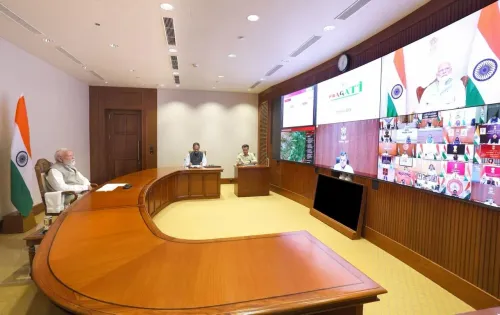
Prime Minister Narendra Modi chaired the 52nd PRAGATI meeting, reviewing infrastructure works worth over Rs 30,000 crore. The session emphasised use of the PM GatiShakti National Master Plan to ensure timely implementation and boost economic growth and connectivity.
Key Takeaways
PM Narendra Modi chaired the 52nd PRAGATI meeting on 24 June 2026 .
Infrastructure projects worth over Rs 30,000 crore were reviewed in the session.
The meeting stressed use of the PM GatiShakti National Master Plan for timely project delivery.
PRAGATI has been operational since March 2015 as a direct PM-level monitoring platform.
The GatiShakti framework, launched in October 2021 , integrates planning across roads, railways, ports and logistics.
The reviews involve both central ministries and state governments to resolve implementation bottlenecks.
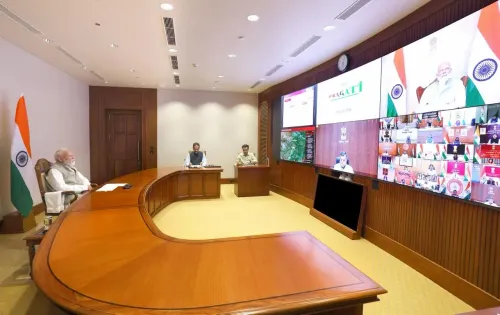
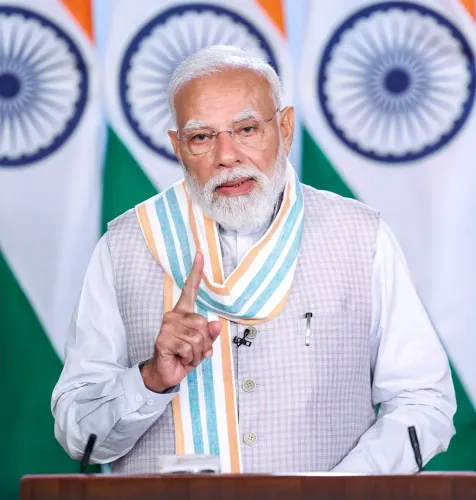
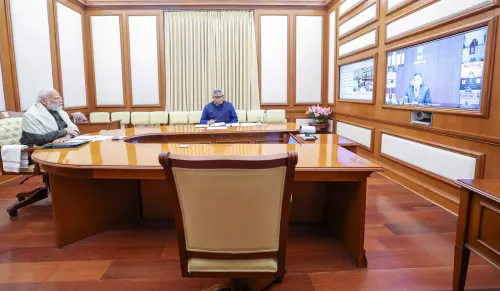
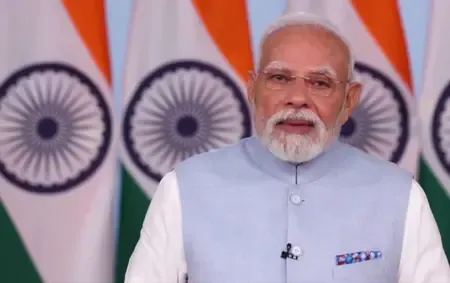
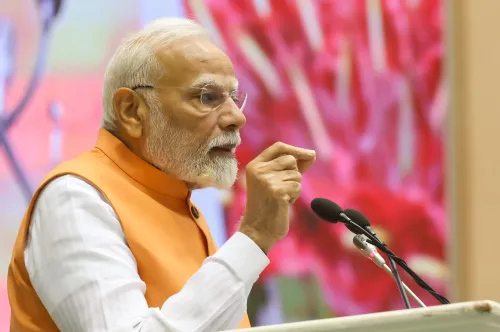
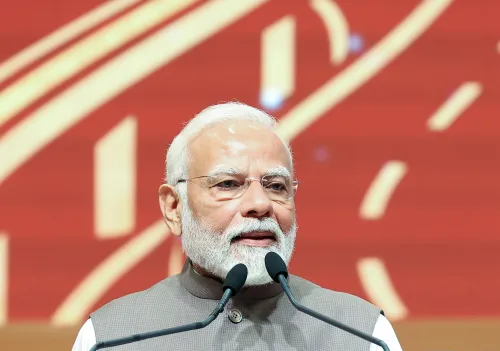
Prime Minister Narendra Modi on Wednesday, 25 June 2026, announced that he had chaired the 52nd PRAGATI meeting the previous day, during which infrastructure works worth over Rs 30,000 crore were reviewed. The meeting underscored the government's continued push to accelerate economic growth, connectivity, and industrial progress through direct, technology-enabled project monitoring.
Context
PRAGATI — an acronym for Pro-Active Governance and Timely Implementation — is a digital platform launched in March 2015 that allows the Prime Minister to directly review infrastructure and governance projects with central ministries and state governments in real time. Since its inception, the platform has become a flagship instrument of the Modi government's administrative style, placing accountability for project delays squarely at the highest executive level.
In his post, Modi stated that the meeting reviewed works that 'will add momentum to economic growth, connectivity and industrial progress,' and emphasised the use of the PM GatiShakti National Master Plan for timely implementation.
Policy Backdrop
The PM GatiShakti National Master Plan, launched in October 2021, is a GIS-based integrated planning framework designed to break inter-ministerial silos that had historically slowed infrastructure rollout. It maps roads, railways, ports, waterways, and logistics corridors on a single digital platform, enabling coordinated planning across departments and states.
The emphasis on GatiShakti within PRAGATI meetings signals a deliberate effort to align on-the-ground project execution with the master plan's multimodal connectivity vision. This approach builds on the National Infrastructure Pipeline, announced in 2019, which set a target of Rs 111 lakh crore in infrastructure investment over five years.
Stakeholders and Impact
State governments are central participants in PRAGATI sessions, as many of the projects reviewed require state-level land acquisition, clearances, and co-financing. The platform's direct-review format creates visible pressure on both state administrations and central ministries to resolve bottlenecks before the next meeting.
Infrastructure developers and logistics operators stand to benefit from faster project completion, which reduces input costs and improves supply-chain efficiency. Works worth Rs 30,000 crore reviewed in a single sitting indicate the scale of capital deployment being tracked under the mechanism.
What's Next
Subsequent PRAGATI meetings will indicate whether the projects reviewed in the 52nd session meet revised timelines, and whether additional funding allocations are made under the GatiShakti framework. The government's ability to translate high-level reviews into on-ground completion will be the key metric watched by infrastructure analysts and state planners alike.
With the Union Budget cycle and capital expenditure targets remaining a focal point of India's fiscal strategy, the outcomes of these PRAGATI reviews carry direct implications for the pace of infrastructure spending and its downstream impact on employment and industrial output.
Point of View
PM-chaired reviews to compress the bureaucratic distance between policy sanction and ground-level execution. Anchoring these reviews to the GatiShakti master plan is a deliberate move to shift infrastructure governance from reactive firefighting to integrated, data-led planning. The Rs 30,000 crore scale reviewed in a single sitting reflects the growing ambition — and complexity — of India's capital expenditure push. Whether the platform's accountability architecture translates into measurable reductions in project delays remains the central question for analysts tracking India's infrastructure story.
NationPress
25 Jun 2026
Frequently Asked Questions
What is the PRAGATI meeting chaired by PM Modi?
PRAGATI stands for Pro-Active Governance and Timely Implementation, a digital platform launched in March 2015 that enables the Prime Minister to directly review infrastructure and governance projects with central ministries and state governments.
How much was reviewed at the 52nd PRAGATI meeting?
Infrastructure works worth over Rs 30,000 crore were reviewed at the 52nd PRAGATI meeting chaired by Prime Minister Narendra Modi on 24 June 2026.
What is the PM GatiShakti National Master Plan?
PM GatiShakti is a GIS-based integrated planning framework launched in October 2021 to coordinate infrastructure development across roads, railways, ports, and logistics by breaking inter-ministerial silos.
How often are PRAGATI meetings held?
PRAGATI meetings are held on a monthly basis, with the Prime Minister chairing each session to review project progress and resolve implementation bottlenecks.
What is the National Infrastructure Pipeline announced by India?
The National Infrastructure Pipeline was announced in 2019 with a target of Rs 111 lakh crore in infrastructure investment over five years, providing the broader fiscal framework within which PRAGATI reviews operate.