PM Modi hails CG SEMI OSAT launch in Sanand as semiconductor milestone
Synopsis
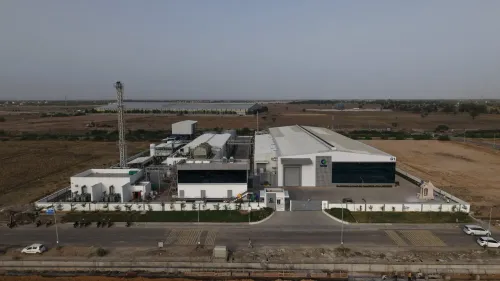
Prime Minister Narendra Modi on 4 July 2026 celebrated the launch of the CG SEMI OSAT facility in Sanand, Gujarat, calling it a landmark moment for India's semiconductor journey. The plant advances the India Semiconductor Mission's Rs 76,000 crore push to build domestic chip assembly and testing capacity.
Key Takeaways
PM Narendra Modi called the CG SEMI OSAT facility in Sanand a 'landmark day for India's semiconductor journey' on 4 July 2026 .
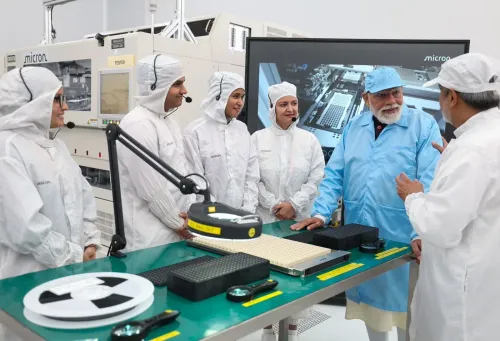
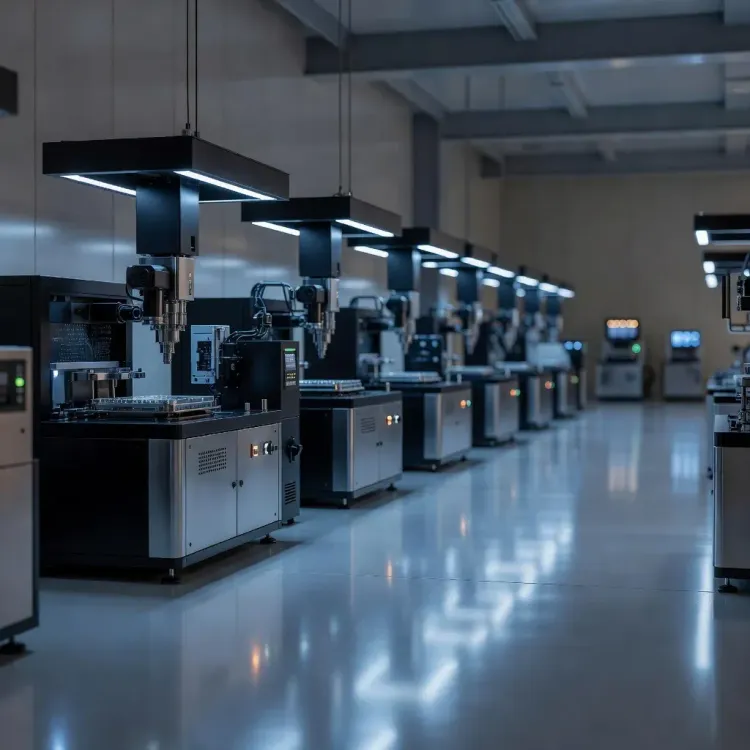
The facility is an OSAT (Outsourced Semiconductor Assembly and Test) unit, handling back-end chip assembly, testing, and packaging.
Sanand, Gujarat has been positioned as a priority destination under India's semiconductor industrial strategy.
The India Semiconductor Mission , approved in 2021 , carries an outlay of Rs 76,000 crore to support fabrication, OSAT, and design infrastructure.
The plant is expected to benefit downstream industries including electronics, automobiles, and defence that rely on reliable chip supply.
Commissioning timelines and capacity utilisation at other approved semiconductor projects remain key metrics to watch.
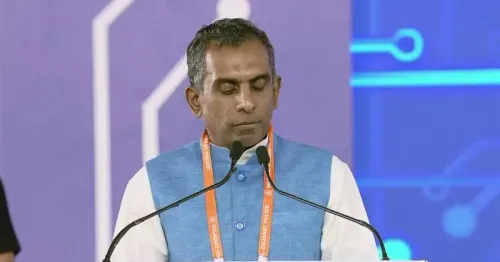
Prime Minister Narendra Modi on Saturday, 4 July 2026, marked the inauguration of the CG SEMI OSAT facility in Sanand, Gujarat, calling it 'a landmark day for India's semiconductor journey' and saying the plant would strengthen the country's chip manufacturing ecosystem and boost technological self-reliance.
Context
The CG SEMI OSAT (Outsourced Semiconductor Assembly and Test) facility is located in Sanand, an industrial corridor in Gujarat that has steadily emerged as a destination for electronics and semiconductor investment. OSAT units handle the back-end stages of chip production — assembly, testing, and packaging — which are critical links in the global semiconductor supply chain. Modi described the facility as one that will 'enhance India's position in the global semiconductor value chain.'
Policy Backdrop
The facility is part of the broader push under the India Semiconductor Mission (ISM), approved by the central government in 2021 with an outlay of Rs 76,000 crore to support fabrication units, OSAT facilities, and design infrastructure across the country. The mission combines fiscal incentives with state-level infrastructure support, aiming to reduce India's dependence on semiconductor imports and integrate domestic industry into value chains long dominated by East Asia. Gujarat has been positioned as a priority destination alongside other states for assembly, testing, and packaging units.
India's semiconductor strategy carries an explicit geopolitical dimension: supply-chain disruptions during the COVID-19 pandemic exposed the vulnerability of industries — from automobiles to consumer electronics — that rely on imported chips, accelerating political consensus around domestic capability-building.
Stakeholders and Impact
The commissioning of an OSAT facility benefits a wide range of downstream industries, including electronics manufacturers, automobile makers, and defence equipment producers, all of which depend on reliable chip supply. Semiconductor firms seeking to diversify away from concentrated East Asian supply chains stand to gain from India's growing assembly and testing infrastructure. Sanand already hosts a cluster of large manufacturing plants, making it a natural anchor for component suppliers and logistics networks that an OSAT operation requires.
For Gujarat specifically, the facility adds a high-technology dimension to an industrial base that has traditionally been strong in chemicals, pharmaceuticals, and general engineering. Workforce development in chip-adjacent skills — precision engineering, quality testing, and materials handling — is expected to follow as the facility scales operations.
What's Next
Attention will now turn to commissioning timelines and capacity utilisation at the CG SEMI OSAT plant, as well as progress on other projects approved under the India Semiconductor Mission. Analysts and industry observers will watch whether the Sanand facility catalyses further upstream investment in wafer fabrication, which remains the more capital-intensive and technically demanding frontier of India's semiconductor ambitions. Follow-on policy updates in the electronics sector — including production-linked incentive revisions and design-linked incentive expansions — are also expected as the government reviews the mission's progress.
Point of View
Already a proven manufacturing corridor, signals a preference for clustering semiconductor assets around existing infrastructure rather than building greenfield hubs from scratch. The OSAT segment is a pragmatic entry point: it is less capital-intensive than wafer fabrication, yet it gives India a credible foothold in the global chip supply chain. Whether this momentum translates into upstream fabrication investment will be the real test of the mission's long-term ambitions.
NationPress
4 Jul 2026
Frequently Asked Questions
What is the CG SEMI OSAT facility in Sanand?
The CG SEMI OSAT facility in Sanand, Gujarat, is an Outsourced Semiconductor Assembly and Test plant that handles the back-end stages of chip production, including assembly, testing, and packaging of semiconductors.
What is India's Semiconductor Mission?
The India Semiconductor Mission is a central government initiative approved in 2021 with an outlay of Rs 76,000 crore to support the development of semiconductor fabrication units, OSAT facilities, and chip design infrastructure across India.
Why is Sanand important for semiconductor manufacturing in India?
Sanand in Gujarat has emerged as a key industrial hub with existing large-scale manufacturing clusters, making it a natural anchor for semiconductor assembly and testing operations that require reliable logistics, power, and component supply networks.
What does OSAT mean in semiconductor manufacturing?
OSAT stands for Outsourced Semiconductor Assembly and Test. These facilities take fabricated wafers and perform the back-end processes of cutting, packaging, and testing chips before they are supplied to electronics manufacturers.
How does the CG SEMI facility help India's chip self-reliance goals?
By establishing domestic OSAT capacity, India reduces its dependence on foreign back-end semiconductor processing, strengthens its position in the global chip value chain, and builds the industrial base needed to eventually attract more capital-intensive fabrication investment.