PM Modi Hails India-New Zealand FTA and Strategic Partnership
Synopsis
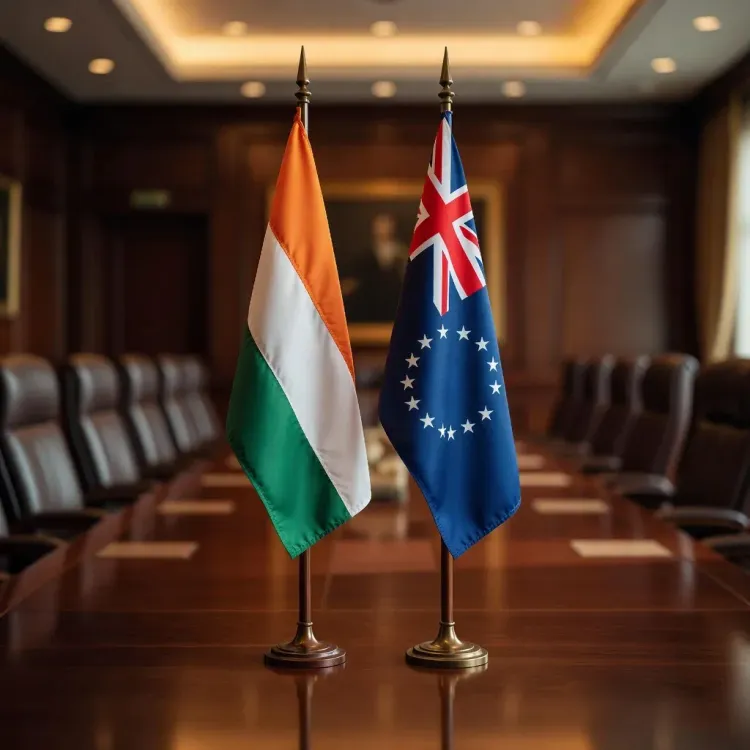
Prime Minister Narendra Modi on 11 July 2026 announced that India and New Zealand concluded a Free Trade Agreement in record time and elevated their ties to a Strategic Partnership, with both nations now targeting a doubling of bilateral trade by 2030.
Key Takeaways
PM Modi on 11 July 2026 confirmed the conclusion of an India-New Zealand Free Trade Agreement , described as achieved 'in record time'.
Bilateral ties have been elevated to a Strategic Partnership , expanding the relationship beyond trade into broader cooperation.
Both nations have set a target to double bilateral trade by 2030 .
India and New Zealand first launched FTA negotiations in October 2010 , making the conclusion a resolution of over a decade of talks.
The FTA is part of India's broader economic diplomacy push that has also included agreements with the UAE , Australia , and ASEAN partners since 2021.
Stakeholders include Indian exporters and New Zealand's dairy and agricultural sectors, both seeking improved market access.
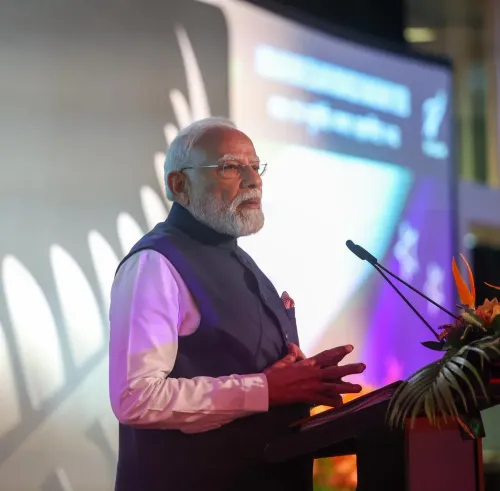
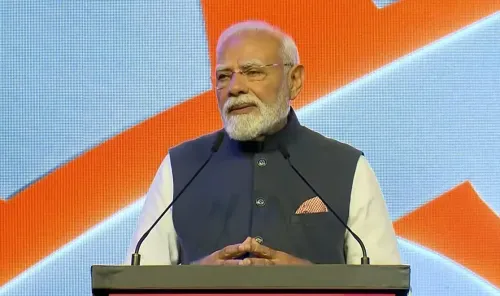
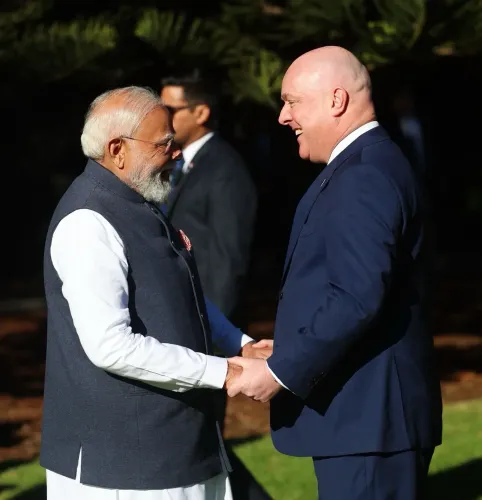
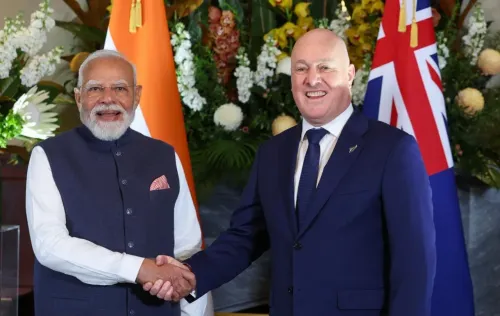
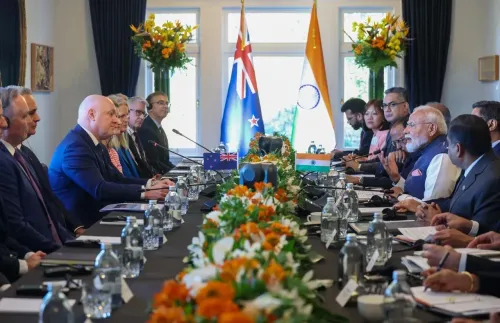
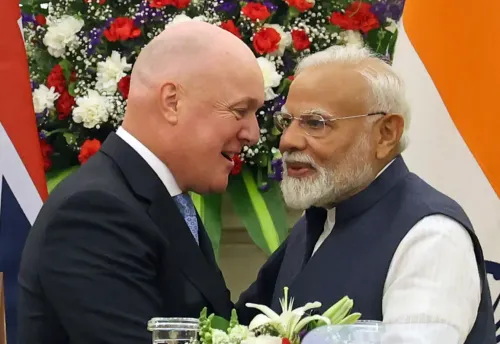
Prime Minister Narendra Modi on Saturday, 11 July 2026, declared it 'a great year' for the India-New Zealand partnership, citing the conclusion of a Free Trade Agreement and the elevation of bilateral ties to a Strategic Partnership, while setting a target to double bilateral trade by 2030.
Context
In his post on X, Modi wrote: 'This has been a great year for the India-New Zealand partnership. Earlier this year, our nations concluded a Free Trade Agreement in record time and now, we have elevated our ties to a Strategic Partnership. Next up, we wish to double bilateral trade by 2030!'
The remarks mark a significant diplomatic milestone, with New Delhi and Wellington formalising two major agreements within the same year — a pace described by the Prime Minister himself as 'record time'.
Policy Backdrop
India and New Zealand first launched negotiations for a Comprehensive Economic Cooperation Agreement in October 2010, a process that remained unresolved for over a decade before reaching conclusion.
The FTA fits into a broader pattern of India's economic diplomacy since 2021, during which New Delhi has concluded or upgraded trade agreements with the UAE, Australia, and several ASEAN partners. India's ambition to reach USD 2 trillion in merchandise exports by 2030 has accelerated its push for bilateral trade pacts across the Indo-Pacific.
New Zealand, a significant exporter of dairy, meat, and wool, has simultaneously pursued deeper engagement with Asian economies beyond its traditional alliances, making an FTA with the world's fifth-largest economy a strategic priority.
Stakeholders and Impact
Indian exporters across sectors including textiles, pharmaceuticals, and IT services stand to gain from improved market access under the FTA. On the other side, New Zealand's dairy and agricultural sectors have long sought a foothold in India's vast consumer market.
The elevation to a Strategic Partnership signals that the relationship now extends beyond trade into domains such as defence cooperation, people-to-people ties, and coordination on regional security — a framework increasingly common in India's Indo-Pacific engagements.
The target to double bilateral trade by 2030 will require sustained implementation effort from both governments, including regulatory alignment and investment facilitation measures outlined under the new agreements.
What's Next
Both countries will now move toward parliamentary ratification of the FTA and operationalising the institutional mechanisms that typically underpin a Strategic Partnership, such as joint working groups and high-level dialogue formats.
Implementation timelines and the specific trade-doubling roadmap are expected to be elaborated through follow-up ministerial meetings between New Delhi and Wellington. The pace of this diplomatic progress will be closely watched as a signal of India's intent to deepen its footprint across the Pacific and broader Indo-Pacific region.
Point of View
Reflecting the priority both governments have placed on formalising ties. For India, the deal extends its post-2021 trade-agreement spree into the Pacific, reinforcing its Indo-Pacific strategy without relying solely on multilateral frameworks. The trade-doubling target by 2030 also aligns neatly with India's broader USD 2 trillion export ambition, giving the bilateral relationship a concrete, measurable benchmark. The speed of conclusion, after over a decade of stalled negotiations, suggests a political will on both sides that earlier rounds lacked.
NationPress
11 Jul 2026
Frequently Asked Questions
What is the India-New Zealand Free Trade Agreement?
The India-New Zealand Free Trade Agreement is a bilateral trade pact covering goods, services, and investment, concluded in 2026 after negotiations that originally began in October 2010. It is aimed at expanding market access for exporters on both sides.
What does the India-New Zealand Strategic Partnership mean?
The Strategic Partnership elevates the bilateral relationship beyond trade to include cooperation on areas such as defence, regional security, and people-to-people ties. It provides an institutional framework for high-level dialogue between New Delhi and Wellington.
What is India's bilateral trade target with New Zealand?
Prime Minister Modi has stated that India and New Zealand aim to double bilateral trade by 2030, building on the foundation of the newly concluded Free Trade Agreement.
Why did India-New Zealand FTA talks take so long?
Negotiations for a Comprehensive Economic Cooperation Agreement were launched in October 2010 but remained unresolved for over a decade, largely due to differences over market access, particularly in sensitive sectors such as dairy and agriculture.
How does the India-New Zealand FTA fit India's broader trade strategy?
The agreement is part of India's accelerated economic diplomacy since 2021, which has seen New Delhi conclude or upgrade trade pacts with the UAE, Australia, and ASEAN partners, in pursuit of its goal of reaching USD 2 trillion in merchandise exports by 2030.