PM Modi Hails Vikram-1 Maiden Orbital Launch by Skyroot
Synopsis
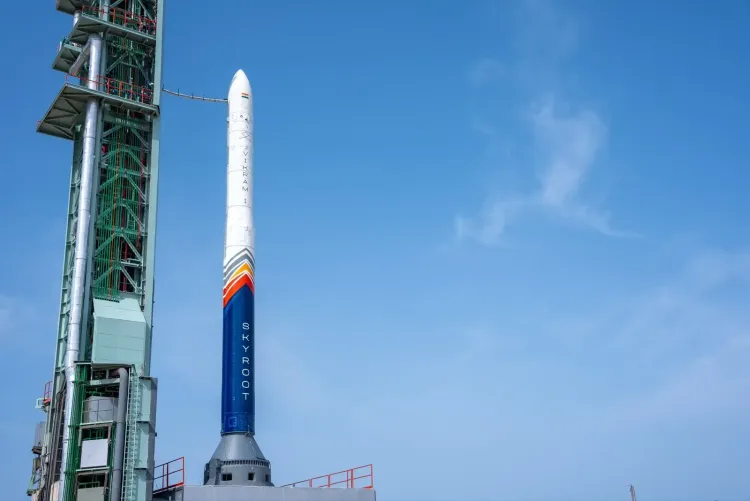
Prime Minister Narendra Modi welcomed the maiden orbital launch of Vikram-1 by Skyroot Aerospace on 18 July 2026 — marking India's first privately developed rocket to attempt an orbital mission, a milestone enabled by the government's 2020 IN-SPACe framework.
Key Takeaways
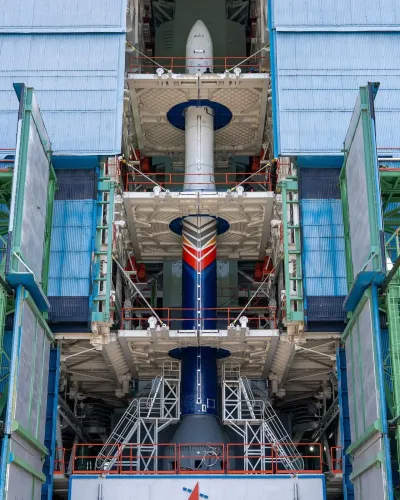
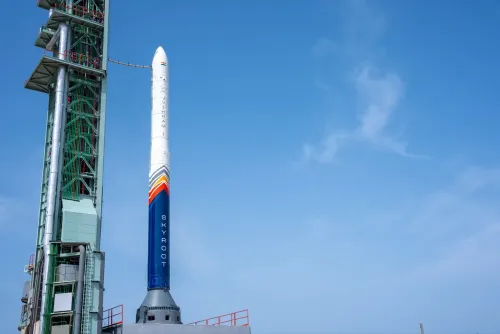
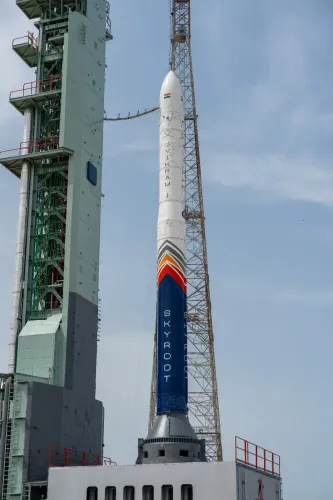
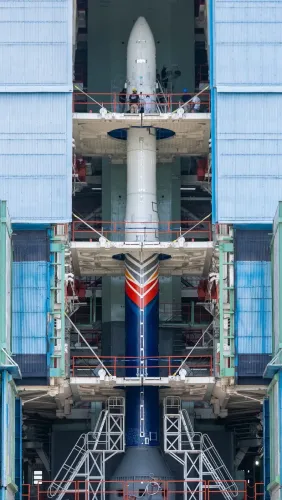
PM Modi publicly hailed the Vikram-1 launch on 18 July 2026 as 'a historic new frontier for India's space journey.' Vikram-1 , developed by Skyroot Aerospace , is a four-stage rocket and India's first privately built launch vehicle to attempt an orbital mission.
The launch was scheduled for 11:30 AM on 18 July 2026 .
IN-SPACe , created in 2020 , provided the regulatory and infrastructure framework that enabled Skyroot Aerospace to reach this milestone.
A successful mission would open on-demand orbital launch services to small satellite operators and boost India's commercial space sector.
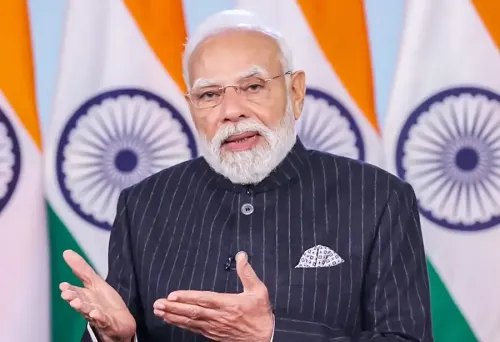
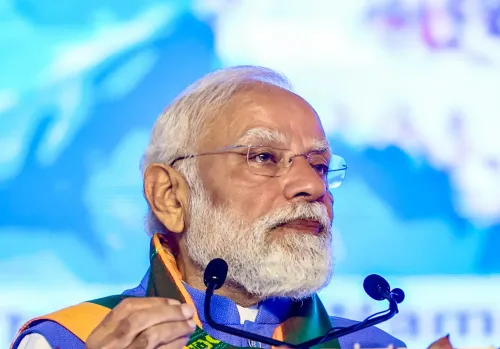
Prime Minister Narendra Modi on Saturday, 18 July 2026, welcomed the maiden orbital launch of Vikram-1, calling it 'a historic new frontier for India's space journey.' The launch by Skyroot Aerospace, scheduled for 11:30 AM, marks the first time a privately developed launch vehicle from India attempts an orbital mission.
Context
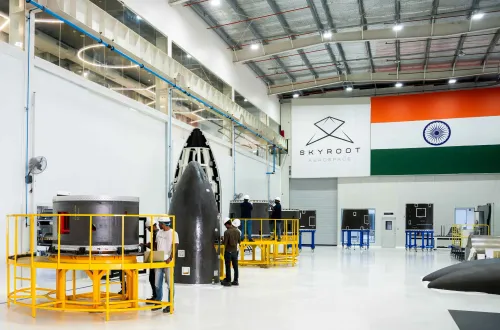
Skyroot Aerospace, founded in 2018, has developed Vikram-1 as a four-stage rocket designed to provide rapid and on-demand launch services for small satellites. PM Modi described the rocket's mission as opening a new chapter, noting it is 'India's first privately developed launch vehicle.' The announcement underscores the growing role of private enterprise in India's space sector.
Policy Backdrop
The launch is a direct product of India's landmark 2020 decision to open the space sector to private players through the creation of IN-SPACe — the Indian National Space Promotion and Authorisation Centre. IN-SPACe was established to regulate and enable private participation in launches and satellite services, giving startups like Skyroot Aerospace access to government infrastructure and expertise built over decades by ISRO. This policy shift was designed to complement, not replace, ISRO's state-led programmes while expanding India's overall launch capacity.
India's approach mirrors a global trend in which commercial small-launch vehicles — pioneered in the United States and increasingly replicated in Europe and Asia — have reduced costs and increased access to low-Earth orbit. For New Delhi, growing a domestic commercial launch industry also carries strategic significance, reducing dependence on foreign launch providers for Indian satellites.
Stakeholders and Impact
The primary beneficiaries of a successful Vikram-1 mission would be small satellite operators — both domestic and international — seeking affordable, flexible launch windows. India's growing constellation of space-tech startups, which have attracted significant venture capital in recent years, stand to gain from a proven domestic private launch option. A successful flight would validate the commercial model that IN-SPACe was designed to catalyse.
ISRO itself stands to benefit indirectly: a healthy private launch ecosystem frees the agency to focus on deep-space exploration, human spaceflight, and strategic missions rather than routine small-satellite deployment. The broader Indian economy gains a potential new export-oriented service sector in orbital logistics.
What's Next
All eyes will be on the outcome of the Vikram-1 orbital attempt. A successful mission would likely accelerate IN-SPACe approvals for subsequent private launch licences and attract fresh investment into India's space-tech ecosystem. Skyroot Aerospace is expected to pursue a commercial launch cadence following a confirmed orbital success, competing for small-satellite contracts in a rapidly expanding global market. The results of this mission will set the tone for how aggressively India positions its private space sector on the world stage.
Point of View
Modi ties the success of a startup to the broader story of India's self-reliance in strategic sectors. If the mission succeeds, the government will claim validation of the IN-SPACe framework introduced in 2020; if it faces setbacks, the political cost is limited since the venture is privately led. Either way, the episode accelerates the normalisation of private participation in what was once an exclusively state domain.
NationPress
18 Jul 2026
Frequently Asked Questions
What is Vikram-1 and who built it?
Vikram-1 is India's first privately developed orbital launch vehicle, built by Skyroot Aerospace, a Hyderabad-based startup founded in 2018. It is a four-stage rocket designed for rapid, on-demand small-satellite launches.
When is the Vikram-1 launch scheduled?
The maiden orbital launch of Vikram-1 was scheduled for 11:30 AM on Saturday, 18 July 2026, as announced by Prime Minister Narendra Modi on X.
What is IN-SPACe and what role did it play?
IN-SPACe, the Indian National Space Promotion and Authorisation Centre, was established in 2020 to regulate and enable private companies to participate in space launches. It provided the policy and infrastructure framework that allowed Skyroot Aerospace to develop and launch Vikram-1.
Why is the Vikram-1 launch historically significant for India?
It is the first time a privately developed launch vehicle in India has attempted an orbital mission, marking a major milestone in the commercialisation of India's space sector and demonstrating the results of the 2020 liberalisation policy.
What happens if Vikram-1 succeeds?
A successful orbital mission would validate India's private launch model, attract further investment into space-tech startups, and open on-demand launch services for small satellite operators both in India and internationally.