PM Modi Highlights India-New Zealand Shared Indigenous Culture
Synopsis
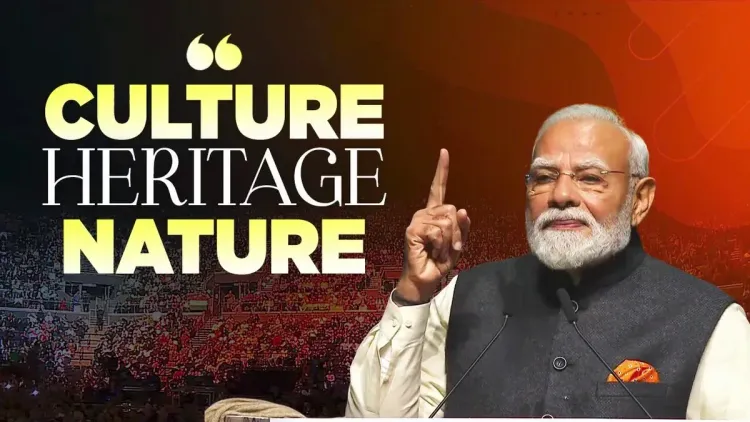
Prime Minister Narendra Modi on 11 July 2026 drew a parallel between India and New Zealand, noting that both nations robustly celebrate their indigenous cultures. The observation, shared with a video on X, underscores Modi's use of cultural diplomacy to strengthen people-to-people ties with Indo-Pacific partners.
Key Takeaways
PM Modi posted on 11 July 2026 highlighting indigenous culture as a major shared value between India and New Zealand .
The post was accompanied by a video illustrating multiple examples of this cultural overlap.
India constitutionally recognises and promotes the traditions of hundreds of tribal and indigenous communities.
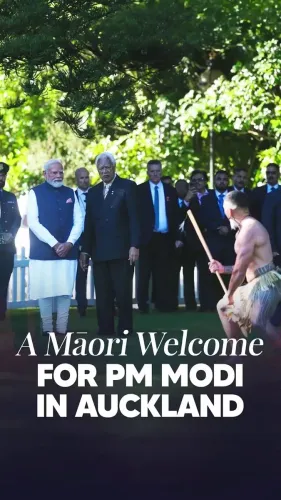
New Zealand institutionalises Maori cultural celebration through public holidays, bilingual language policy, and national institutions, underpinned by the Treaty of Waitangi (1840) .
The messaging aligns with PM Modi 's broader strategy of using cultural soft power in India's Indo-Pacific diplomatic engagements.
Follow-up joint cultural or heritage initiatives between the two countries may be announced in upcoming bilateral interactions.
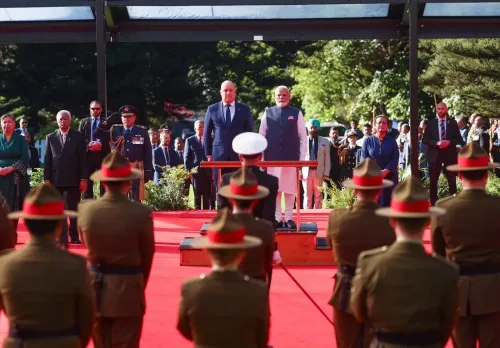
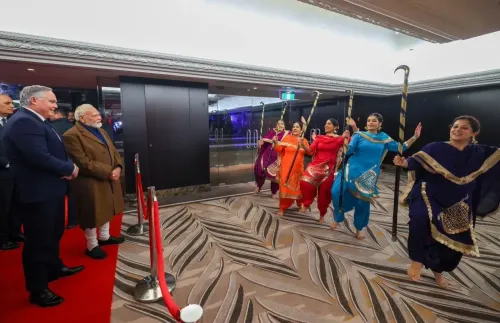
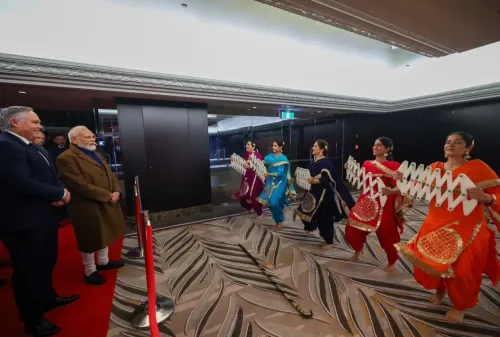
Prime Minister Narendra Modi on Saturday, 11 July 2026, drew attention to a significant commonality between India and New Zealand — both nations actively celebrate their indigenous cultures — sharing the observation on X alongside a video illustrating multiple examples of this shared spirit.
In his post, PM Modi wrote in Hindi: 'Bharat aur New Zealand ke beech ek badi samanta yeh hai ki dono hi desh Indigenous Culture ko khoob celebrate karte hain. Iske ek nahin anek udaharan hain…' — translated: 'A major similarity between India and New Zealand is that both countries celebrate indigenous culture abundantly. There are not one but many examples of this.'
Context
India is home to hundreds of tribal and indigenous communities, whose traditions, languages, and art forms receive constitutional recognition and are promoted through dedicated government programmes. New Zealand, similarly, has institutionalised the celebration of Maori culture through public holidays, official bilingual language policy, and national cultural institutions.
The Treaty of Waitangi (1840) underpins New Zealand's formal framework for Maori rights and cultural celebration, making bicultural identity a defining feature of the country's national character — a parallel that resonates with India's own constitutional safeguards for indigenous communities.
Policy Backdrop
PM Modi has consistently used cultural diplomacy as a pillar of India's foreign engagement, drawing connections between Indian traditions and those of partner nations to strengthen people-to-people ties. This approach has been particularly prominent in India's outreach across the Indo-Pacific region, where shared heritage narratives serve as a foundation for deeper bilateral relationships.
Highlighting indigenous culture as a common thread between two geographically distant democracies reflects India's broader soft-power strategy — one that positions cultural kinship alongside trade and security as a driver of international partnerships.
Stakeholders and Impact
The observation carries significance for indigenous communities in both countries, as high-level acknowledgement from a head of government elevates the visibility of their traditions on an international stage. Cultural organisations and heritage bodies in both nations stand to benefit from any diplomatic momentum generated by such messaging.
For New Zealand's Maori communities and India's tribal populations alike, the framing of their cultures as a diplomatic asset — rather than a domestic concern alone — signals growing international recognition of indigenous heritage as a matter of shared global value.
What's Next
Observers will watch for follow-up announcements on joint cultural festivals, heritage exchanges, or people-to-people initiatives in upcoming India-New Zealand bilateral engagements. PM Modi's post, accompanied by a video, suggests a curated communication effort that may precede or accompany a formal diplomatic event or cultural initiative. If institutionalised, this cultural common ground could serve as a durable bridge between the two nations, complementing existing cooperation in trade, education, and diaspora relations.
Point of View
Consistent with his government's pattern of anchoring foreign relationships in civilisational and cultural narratives. By invoking this parallel publicly, New Delhi signals that its Indo-Pacific engagement extends beyond strategic and economic calculus to encompass shared identity. The choice of indigenous heritage — a globally resonant issue — also positions India as a culturally pluralistic democracy in international discourse. Whether this translates into concrete bilateral cultural programmes will determine if the messaging has lasting diplomatic weight.
NationPress
11 Jul 2026
Frequently Asked Questions
What did PM Modi say about India and New Zealand?
PM Modi stated on 11 July 2026 that a major similarity between India and New Zealand is that both countries actively celebrate their indigenous cultures, sharing multiple examples in a video post on X.
What is India's approach to indigenous culture?
India constitutionally recognises and promotes the traditions of hundreds of tribal and indigenous communities through legal safeguards, government programmes, and cultural institutions.
How does New Zealand celebrate Maori culture?
New Zealand institutionalises Maori cultural celebration through public holidays, an official bilingual language policy, and national cultural institutions, all underpinned by the Treaty of Waitangi signed in 1840.
What is cultural diplomacy and how does India use it?
Cultural diplomacy uses shared heritage, traditions, and people-to-people ties to strengthen international relationships. PM Modi regularly highlights cultural commonalities with partner nations as part of India's soft-power outreach, particularly in the Indo-Pacific.
What could follow PM Modi's post on India-New Zealand indigenous culture?
Observers expect possible announcements on joint cultural festivals, heritage exchange programmes, or people-to-people initiatives during upcoming India-New Zealand bilateral engagements.