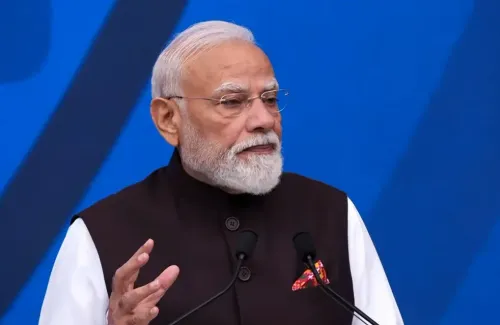
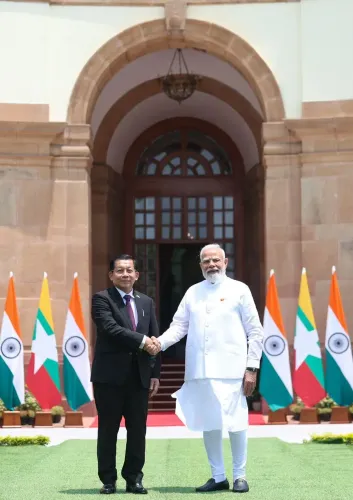
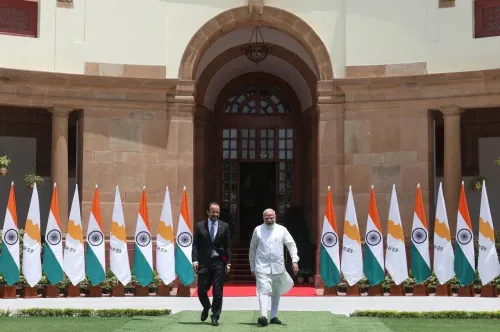
PM Modi holds bilateral talks on trade, tech and startups
Synopsis
Prime Minister Narendra Modi on 27 October 2026 outlined a six-point bilateral agenda covering trade, advanced manufacturing, technology, skill development, financial services, and startups, signalling a broad-based economic partnership push.
Key Takeaways
PM Narendra Modi held a bilateral meeting on 27 October 2026 and posted the agenda directly on X.
Six areas of collaboration were flagged: Trade, Advanced Manufacturing, Technology, Skill Development, Financial Services, and StartUps .
The post does not identify the counterpart country or leader; an official readout is awaited.
The agenda reflects India's integrated supply-chain diplomacy, linking production, innovation, human capital, and capital markets in a single framework.
Startups featuring as a formal bilateral pillar underscores the maturing profile of India's tech economy in global economic negotiations.
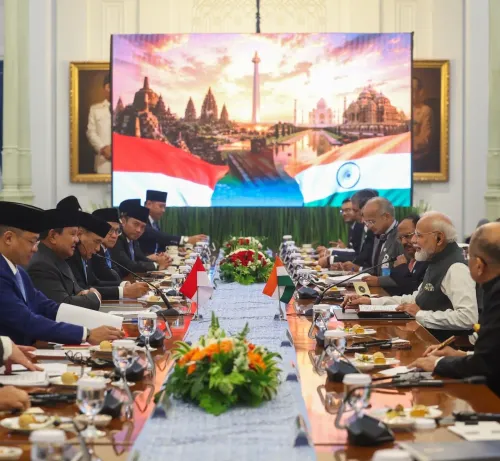
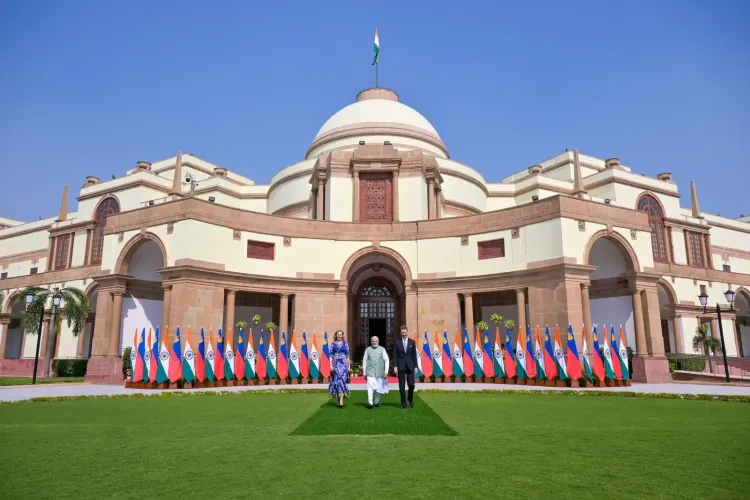
Prime Minister Narendra Modi met with a foreign counterpart on Tuesday, 27 October 2026, covering six strategic pillars — trade, advanced manufacturing, technology, skill development, financial services, and startups — in a bilateral engagement that signals India's continued push to deepen economic partnerships beyond its traditional diplomatic footprint.
Posting directly on X, PM Modi outlined the agenda in crisp terms: 'We explored ways to deepen collaboration in: Trade. Advanced Manufacturing. Technology. Skill Development. Financial Services. StartUps.' Six areas. No filler. The framing itself is a signal about where India's economic diplomacy is heading.Six pillars, one strategic logic
The breadth of the agenda is deliberate. Grouping advanced manufacturing alongside technology and startups reflects the integrated supply-chain logic that has defined India's outreach to partner economies in recent years — building not just trade flows but entire innovation-to-production corridors. The addition of skill development and financial services fills out the human-capital and capital-market ends of that chain.
Financial services in particular has emerged as a recurring agenda item in India's bilateral talks, as the country looks to internationalise its payments infrastructure and attract long-term institutional capital. Its inclusion here suggests the discussions went beyond goods and into the architecture of economic integration.
A pattern PM Modi has made his own
Prime Minister Modi has consistently used social media to signal the texture of bilateral meetings in real time — a practice that serves both transparency and strategic messaging. These posts typically precede a formal joint statement or official readout that names concrete outcomes: memoranda of understanding, investment pledges, or working-group mandates. That follow-through document, when it arrives, will be the true measure of what was agreed in the room.
India's push on startups as a bilateral agenda item also speaks to a maturing of the country's economic identity. A decade ago, startups barely featured in summit communiqués. Today, with India home to one of the world's largest startup ecosystems, they are a standard column in any serious economic partnership discussion.
The full picture — who sat across the table, what was signed, what timelines were set — will land with the official readout. Until then, the six-point agenda stands as the sharpest available window into what India is asking for, and what it is prepared to offer, in this particular relationship.
Point of View
Which seeks to graduate from a services-dominant export profile to one that includes deep manufacturing and technology linkages. Posting the agenda before a formal joint statement is a calibrated move: it shapes the narrative and signals to domestic audiences that the meeting was substantive. The pairing of 'advanced manufacturing' with 'startups' is especially telling — it suggests the counterpart is a technology-capable economy, not merely a market for Indian goods. Whoever sits on the other side of this table, the structure of the ask reveals as much about India's economic self-image as it does about the bilateral relationship itself.
NationPress
27 Oct 2026
Frequently Asked Questions
What did PM Modi discuss in his bilateral meeting on 27 October 2026?
PM Modi said the talks explored deepening collaboration across six areas: trade, advanced manufacturing, technology, skill development, financial services, and startups.
Which country did PM Modi meet with on 27 October 2026?
The post does not identify the counterpart country or leader. An official government readout is expected to provide those details along with any concrete outcomes.
Why is 'advanced manufacturing' a key focus in India's bilateral talks?
India has been working to diversify its export base beyond services by building supply-chain linkages in sectors such as electronics, semiconductors, and clean energy — making advanced manufacturing a central ask in economic partnerships.
Why do bilateral meetings include startups as an agenda item?
India now hosts one of the world's largest startup ecosystems, and startup collaboration — covering investment, market access, and co-development — has become a standard pillar in India's economic diplomacy.
What should we watch for after this PM Modi bilateral meeting?
The key follow-up is the official joint statement or government readout, which should name the counterpart, list any MoUs signed, and specify investment pledges or working-group timelines that emerged from the talks.