PM Modi marks 12 years of Make in India on its anniversary
Synopsis
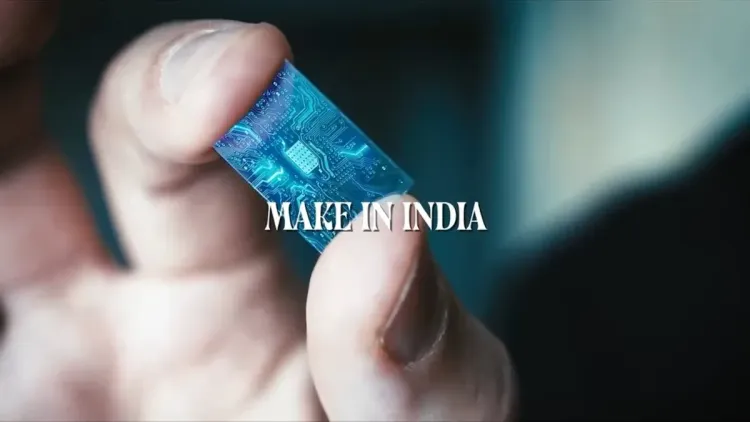
Prime Minister Narendra Modi marked the 12th anniversary of Make in India on 25 September 2026, reaffirming the initiative's core mission of building infrastructure, enterprise and innovation to drive India's growth as a global manufacturing destination.
Key Takeaways
Make in India was launched exactly 12 years ago on 25 September 2014 by Prime Minister Narendra Modi.
The initiative was designed to transform India into a global manufacturing hub and raise manufacturing's share of GDP.
Production Linked Incentive (PLI) schemes , rolled out from 2020 onward, serve as a second-generation layer of the Make in India framework across sectors including electronics, automobiles and pharmaceuticals.
PM Modi described the scheme as being about 'infrastructure, enterprise and innovation' — the three pillars the government uses to frame the policy's purpose.
Key stakeholders include foreign investors, domestic manufacturers and MSMEs across multiple sectors.
The initiative sits within India's broader economic reform arc that dates to the 1991 liberalisation .
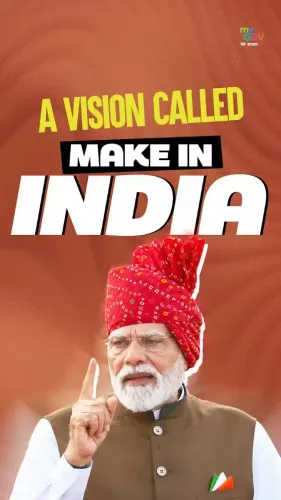
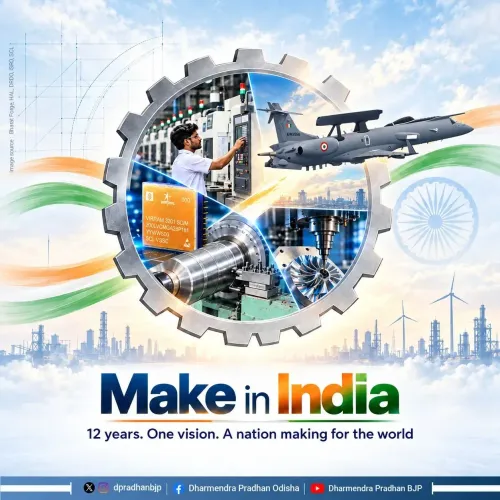
Twelve years after he stood on a grand stage in New Delhi and dared India to manufacture its own future, Prime Minister Narendra Modi on Friday, 25 September 2026 marked the anniversary of Make in India — the flagship industrial policy that redrew the country's economic ambitions — with a pointed reminder of what the initiative was always really about.
Posting on X with the hashtag #12YearsOfMakeInIndia, the Prime Minister wrote: 'Make in India is about creating infrastructure, enterprise and innovation that allow India to grow and prosper.' The framing was deliberate — infrastructure, enterprise, innovation — the three pillars the government has consistently used to distinguish this scheme from older, tariff-wall-style industrial protection.
From a 2014 pledge to a 12-year policy architecture
Make in India was launched on 25 September 2014 — exactly twelve years ago — to transform India into a global manufacturing hub and raise manufacturing's share of GDP. The premise was straightforward: attract foreign direct investment, reduce regulatory friction, and build world-class physical infrastructure so that global supply chains would route through India rather than around it.
The initiative plugged into India's longer economic reform arc that began with the 1991 liberalisation, but it added a manufacturing-specific focus that earlier FDI policy rounds had lacked. Sectors from defence to food processing were opened up. Single-window clearances were promised. The 'Investor Facilitation Cell' was created to handhold foreign firms through approvals.
PLI schemes: the second-generation engine
Beginning in 2020, the government rolled out Production Linked Incentive (PLI) schemes across sectors including electronics, automobiles, and pharmaceuticals — effectively a second-generation layer on top of the original Make in India framework. Where the first phase focused on removing barriers, PLI offered direct output-linked financial incentives to pull manufacturers into high-value segments. The combination aimed to cut import dependence in critical industries and expand India's export basket.
The beneficiaries — foreign investors, domestic manufacturers, and MSMEs — span an enormous slice of the Indian economy, making Make in India one of the most structurally consequential policy brands of the past decade.
A milestone moment in the manufacturing story
Anniversary posts are often ceremonial. This one carries a bit more weight: twelve years is long enough to judge whether a policy framework survived its launch event, and the Modi government has clearly decided the answer is yes — doubling down rather than rebranding. The emphasis on 'innovation' alongside the more traditional pillars of infrastructure and enterprise signals that the next phase of the initiative is expected to move up the value chain, toward research-intensive and technology-driven production.
What the coming fiscal year's FDI data and any new PLI sector expansions reveal will be the real scoreboard for year thirteen.
Point of View
Not merely a protectionist one, signalling the government wants the brand to survive political cycles. Coming after a run of PLI scheme expansions, the emphasis on 'infrastructure, enterprise and innovation' suggests the next phase will push toward higher-value, technology-intensive manufacturing rather than assembly-line volumes. For the BJP, the scheme remains a cornerstone of its economic nationalism narrative — a tangible, branded proof point for the argument that India's industrial rise is a deliberate policy outcome. How the next round of FDI and manufacturing GDP data lands will determine whether this anniversary reads as triumphalism or a mid-course pep talk.
NationPress
25 Sept 2026
Frequently Asked Questions
When was Make in India launched?
Make in India was launched on 25 September 2014 by Prime Minister Narendra Modi to attract investment and boost domestic manufacturing across sectors.
What is the goal of Make in India?
The initiative aims to transform India into a global manufacturing hub, raise manufacturing's share of GDP, attract foreign direct investment, and reduce the country's import dependence through infrastructure development and ease-of-doing-business reforms.
What are PLI schemes and how do they connect to Make in India?
Production Linked Incentive (PLI) schemes, rolled out from 2020 onward, are a second-generation extension of Make in India that offer direct output-linked financial incentives to manufacturers in sectors such as electronics, automobiles and pharmaceuticals.
What did PM Modi say for the 12th anniversary of Make in India?
PM Modi posted on X that 'Make in India is about creating infrastructure, enterprise and innovation that allow India to grow and prosper,' marking the #12YearsOfMakeInIndia milestone on 25 September 2026 .
Who benefits from Make in India?
The primary stakeholders are foreign investors, domestic manufacturers and MSMEs across multiple sectors, as the initiative opens up FDI routes, simplifies regulatory clearances and provides production-linked financial incentives.