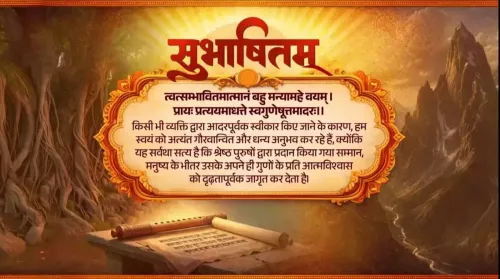
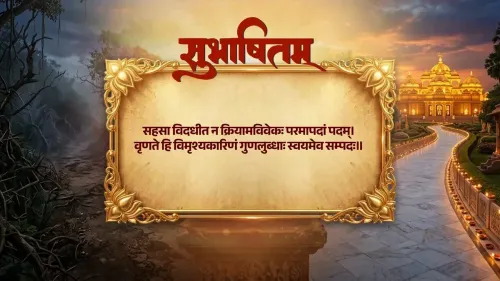
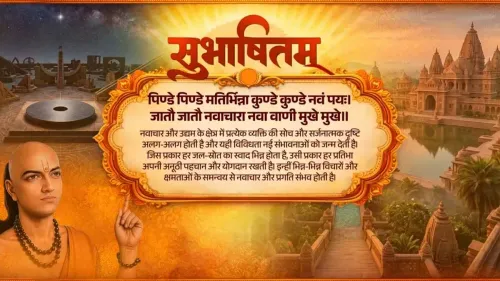
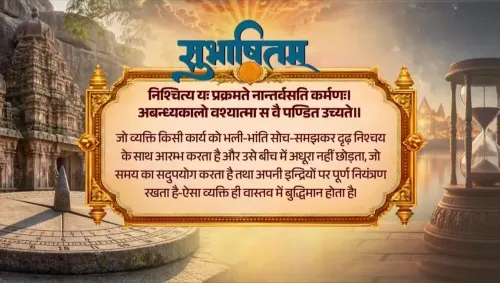
PM Modi shares Sanskrit shloka on resilience and perseverance
Synopsis
Prime Minister Narendra Modi shared a Sanskrit verse on 3 August 2026 urging courage in adversity, comparing the human spirit to a mariner who continues striving even after a shipwreck — part of his documented pattern of sharing classical Indian thought on X.
Key Takeaways
PM Modi posted a Sanskrit shloka on 3 August 2026 on his official X account.
The verse counsels never abandoning courage even when fate is hostile, using the image of a shipwrecked mariner who still seeks purposeful action.
No specific policy event or announcement is linked to the post; it stands as a standalone inspirational message.
Modi has a documented pattern of sharing Sanskrit and classical Indian verses on X, particularly around themes of duty and resilience.
The post carried one video alongside the verse, though no further detail on the video content is confirmed.
Even when fate turns cruel and the ship breaks mid-ocean, the true mariner does not abandon the will to act — that is the spirit Prime Minister Narendra Modi invoked on Monday, 3 August 2026, sharing a Sanskrit verse on resilience with his followers on X.
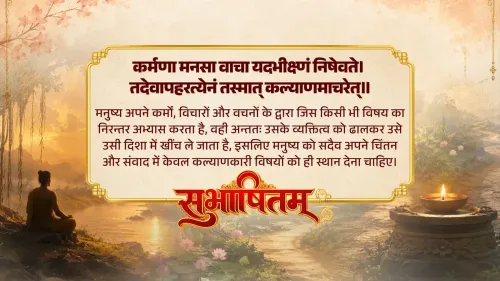
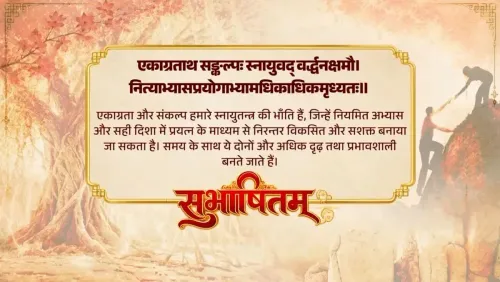
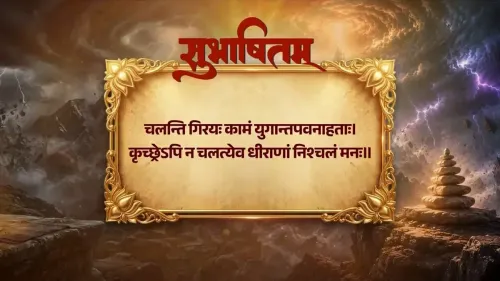
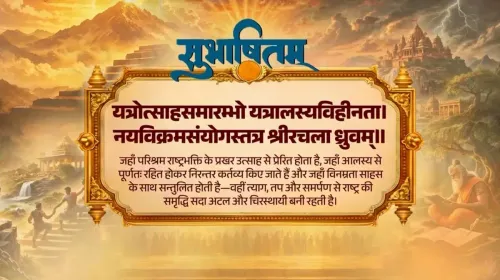
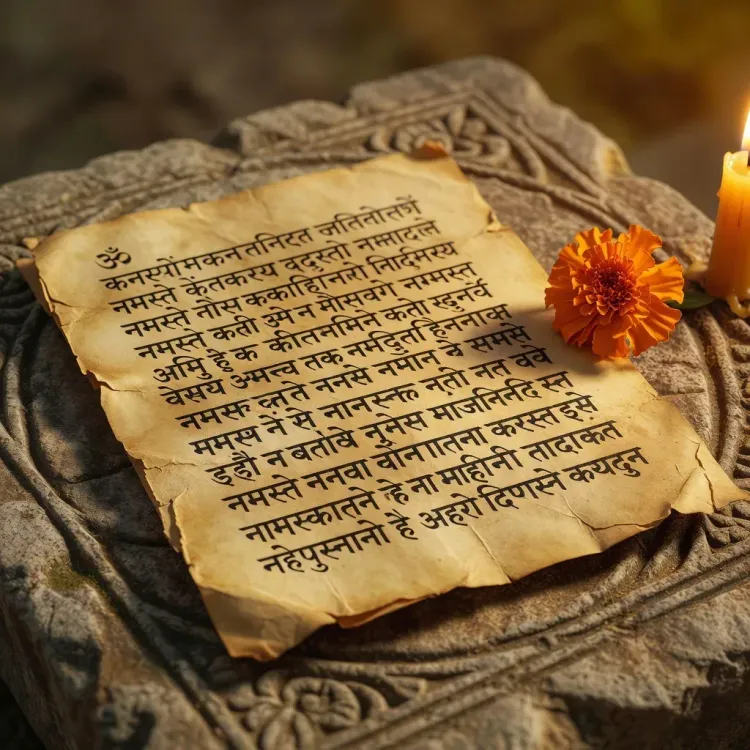
The shloka, rendered in classical Sanskrit, translates broadly as: 'Tyajyam na dhairyam vidhure'pi daive' — 'One must never abandon courage even when fate is adverse; through courage alone, one may find stability. Even when the sea has swallowed the ship, the voyager seeks only to act.'
The verse carries a timeless message: that resolve, not circumstance, defines outcome. The image of the shipwrecked mariner who still reaches for purposeful action is among the most vivid metaphors in Sanskrit moral literature — a tradition PM Modi has drawn on repeatedly in his public communication.
A recurring language of classical thoughtThis post fits a well-established pattern in the Prime Minister's social media presence. Modi has consistently used Sanskrit shlokas, verses from the Mahabharata, Ramayana, and other classical texts to frame public messaging around themes of duty, perseverance, and national character — particularly at moments of collective significance or at the start of a week.
The choice of Sanskrit as a communicative register is itself deliberate: it signals a cultural continuity between ancient Indian thought and contemporary governance philosophy, a thread Modi has woven into speeches, Mann Ki Baat radio addresses, and ceremonial occasions alike.
No specific policy event or announcement appears to be attached to this post. Standalone verses of this kind typically stand on their own as public inspiration — a reminder, as the shloka itself insists, that the act of striving is its own answer to adversity.
Point of View
The Prime Minister signals stoic resolve at a moment of his choosing, without the friction of a policy statement. It reinforces his image as a leader rooted in 'Bharatiya' intellectual tradition rather than Western liberal frameworks. Over time, these posts collectively build a soft-power narrative: that India's ancient wisdom is a source of national strength, not merely heritage.
NationPress
3 Aug 2026
Frequently Asked Questions
What Sanskrit shloka did PM Modi post on 3 August 2026?
PM Modi posted a verse that translates as: 'One must never abandon courage even when fate is adverse; through courage alone one may find stability. Even when the sea has swallowed the ship, the voyager seeks only to act.'
What is the meaning of Modi's Sanskrit shloka about the mariner?
The verse uses the metaphor of a sailor whose ship has sunk in the ocean — even in that extreme adversity, the true mariner does not give up but keeps striving. The core message is that courageous action, not favourable circumstances, is what sustains a person through hardship.
Why does PM Modi share Sanskrit shlokas on X?
Modi regularly shares Sanskrit verses and classical Indian quotes as part of his public communication style, drawing on ancient literature to convey themes of duty, resilience, and national character. It is a consistent feature of his social media presence.
Is PM Modi's Sanskrit post linked to any policy announcement?
No specific policy event or government announcement is attached to this post. Such standalone inspirational verses from the Prime Minister typically carry no immediate policy follow-up.
Which classical tradition does PM Modi's 3 August shloka come from?
The verse is in Sanskrit and belongs to the broader tradition of classical Indian moral literature. The exact source text has not been officially attributed in the post itself.