PMAY-U delivers 1 crore pucca houses to urban poor; 1.25 crore sanctioned
Synopsis
India's urban housing mission has crossed a landmark: over 1 crore pucca homes delivered under PMAY-U since 2015 — compared to just 8 lakh in the nine years before it. With 1 crore of 1.25 crore sanctioned units handed to women beneficiaries and PMAY-U 2.0 targeting 1 crore more families through 2029, the scheme is reshaping who owns urban India.
Key Takeaways
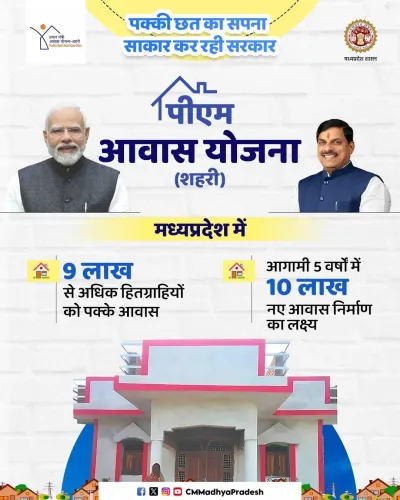
More than 1 crore pucca houses have been completed and delivered under PMAY-U and PMAY-U 2.0 as of 9 August 2026 .
Total sanctions across both phases stand at 1.25 crore houses , per a government factsheet dated 16 September 2026 .
1 crore of the sanctioned houses have been allotted to women, either as sole or joint owners, under a mandatory co-ownership provision.
Between 2005 and 2014 , only about 8 lakh urban houses were completed under earlier schemes — a fraction of the current scale.
PMAY-U 2.0 , running from 2024 to 2029 , has sanctioned 18.38 lakh houses so far, offering up to ₹2.50 lakh per unit in financial assistance.
A Unified Web Portal with geo-tagging and real-time dashboards has been deployed to ensure transparency and fund accountability.
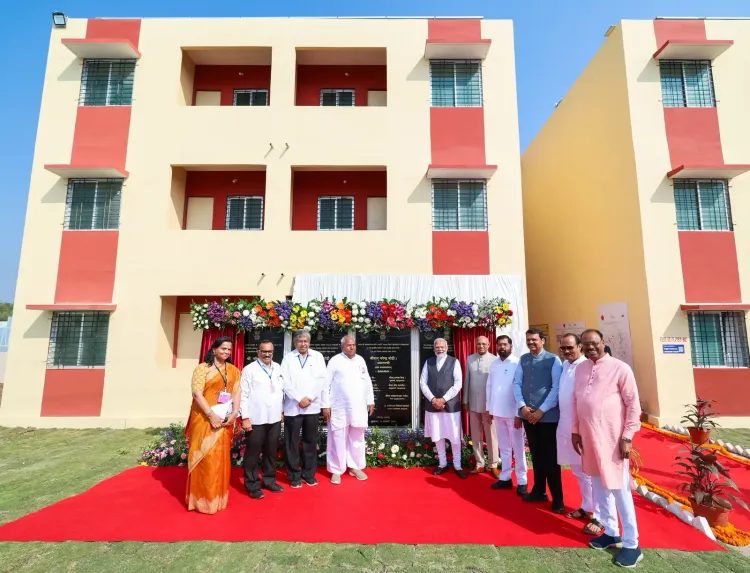
More than 1 crore pucca houses have been completed and handed over to beneficiaries under the Pradhan Mantri Awas Yojana–Urban (PMAY-U) and PMAY-U 2.0, out of a total of 1.25 crore houses sanctioned across both phases, according to a government factsheet released on Wednesday, 16 September 2026. The deliveries were recorded up to 9 August 2026, marking a significant milestone in India's urban affordable housing drive launched in 2015.
Scale of Delivery and Historic Comparison
The government's factsheet draws a pointed contrast with the pre-2015 era: between 2005 and 2014, only about 8 lakh urban houses were completed under earlier housing schemes. The completion of over 1 crore homes under PMAY-U represents a more than 12-fold increase in pace, according to the official data. The mission covers cities and towns across the country, with an explicit focus on inclusive urban growth.
Women as Primary Beneficiaries
A defining feature of the scheme is its emphasis on women's ownership. Of the 1.25 crore houses sanctioned, 1 crore have been allotted either in the name of the female head of the household or through joint ownership. PMAY-U mandates ownership or co-ownership in the name of women beneficiaries — a provision the government says has strengthened financial security and enhanced women's role in household decision-making. This makes it one of the largest gender-linked housing entitlement programmes in the world by scale.
Inclusion of Vulnerable Communities
The mission also prioritises housing access for Scheduled Castes (SCs), Scheduled Tribes (STs), Other Backward Classes (OBCs), minorities, senior citizens, persons with disabilities, and transgender persons. The factsheet states that by addressing the needs of diverse beneficiary groups, PMAY-U has helped make urban growth more equitable and accessible.
PMAY-U 2.0: The Next Phase
The second phase — PMAY-U 2.0 — is being implemented from 2024 to 2029 and aims to provide housing assistance to 1 crore additional urban poor and middle-class families. As of 9 August 2026, approximately 18.38 lakh houses have been sanctioned under this phase. Eligible families receive financial assistance of up to ₹2.50 lakh per unit for the construction or purchase of affordable homes. The phase also supports affordable rental housing for eligible beneficiaries.
Technology and Transparency Mechanisms
The government has deployed technology-enabled systems — including geo-tagging and real-time dashboards — to strengthen monitoring and accountability. A Unified Web Portal for PMAY-U 2.0 serves as a single digital platform, enabling beneficiaries to apply for assistance and allowing Urban Local Bodies (ULBs), states and Union Territories, and other implementing agencies to process, track, and disburse funds on one integrated system. The portal also facilitates geo-tagging of houses at different construction stages, streamlining fund release.
With PMAY-U 2.0 set to run through 2029, the pace of fresh sanctions and the conversion of sanctioned units into delivered homes will be closely watched as a measure of the mission's second-phase execution.
Point of View
But the more consequential number is the gap: 1.25 crore sanctioned against 1 crore delivered means roughly 25 lakh sanctioned units remain undelivered. How many are under construction, stalled, or on paper is not addressed in the factsheet. The women's co-ownership mandate is genuinely structural — it converts a welfare transfer into an asset — but its real-world enforceability in informal urban settlements remains an open question. PMAY-U 2.0's 18.38 lakh sanctions against a 1-crore target by 2029 also suggests the second phase has significant ground to cover in under three years. Execution cadence, not announcements, will define the legacy here.
NationPress
16 Sept 2026
Frequently Asked Questions
How many houses have been delivered under PMAY-U so far?
More than 1 crore pucca houses have been completed and delivered to beneficiaries under PMAY-U and PMAY-U 2.0 as of 9 August 2026. A total of 1.25 crore houses have been sanctioned across both phases of the scheme.
What is PMAY-U 2.0 and who is eligible?
PMAY-U 2.0 is the second phase of India's urban affordable housing mission, being implemented from 2024 to 2029. It targets 1 crore additional urban poor and middle-class families, offering financial assistance of up to ₹2.50 lakh per unit for construction or purchase of affordable homes in urban areas.
Why is the women's co-ownership provision significant?
PMAY-U mandates that houses be allotted in the name of the female head of the household or through joint ownership. Of the 1.25 crore houses sanctioned, 1 crore have been allotted to women, making it one of the largest gender-linked housing entitlement programmes by scale — and converting a government subsidy into a long-term asset for women.
How does PMAY-U compare to housing schemes before 2014?
Between 2005 and 2014, only about 8 lakh urban houses were completed under earlier government housing schemes. PMAY-U, launched in 2015, has delivered over 1 crore homes — more than 12 times the output of the preceding nine-year period, according to government data.
Which communities does PMAY-U prioritise beyond income criteria?
The mission prioritises housing access for Scheduled Castes, Scheduled Tribes, Other Backward Classes, minorities, senior citizens, persons with disabilities, and transgender persons. PMAY-U 2.0 continues this inclusive approach with targeted support for these vulnerable groups.