Patiala AQI hits 499 post-Diwali; PPCB logs 288 stubble burning cases, fines ₹3.45 lakh
Synopsis
Patiala's AQI hit 499 on 9 November — one point from the absolute ceiling — placing it among the world's 21 most polluted cities. With 288 stubble-burning cases logged, ₹3.45 lakh in fines imposed but only ₹1.25 lakh recovered, and 77 FIRs filed, the city's post-Diwali air crisis exposes the gap between enforcement intent and on-ground outcomes in Punjab's battle against farm fires.
Key Takeaways
Patiala's AQI reached 499 (severe category) at 7:21 am IST on 9 November 2026 , ranking the city 21st most polluted globally.
PM2.5 levels stood at 323 micrograms per cubic metre ; PM10 at 402 micrograms per cubic metre .
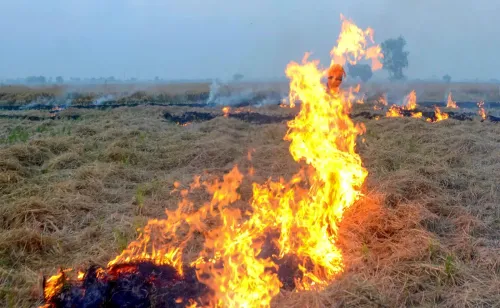
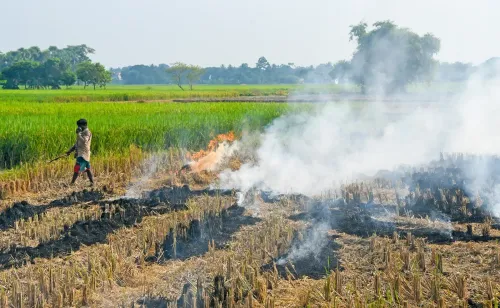
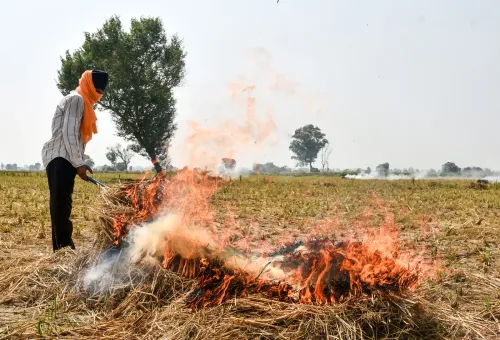
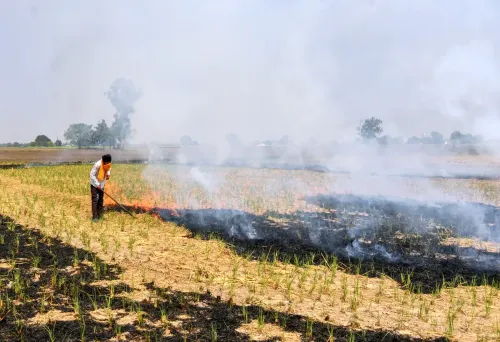
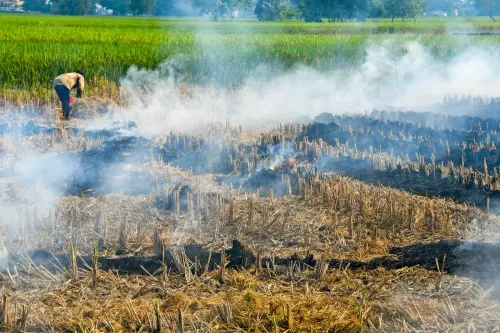
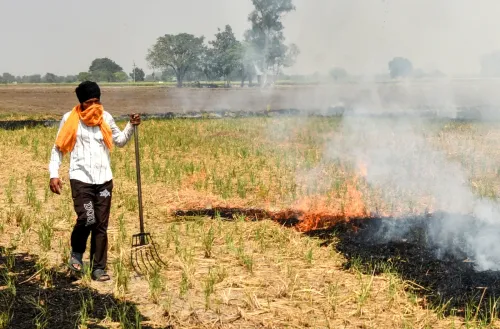
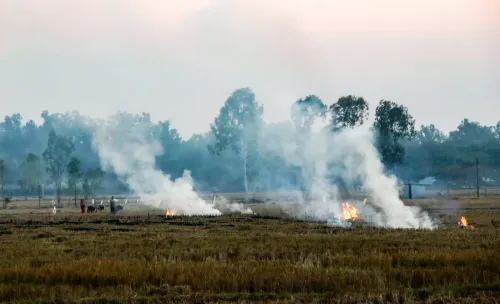
The PPCB recorded 288 stubble-burning incidents in Patiala district as of 8 November ; burning confirmed at 94 of 157 inspected fields.
Total penalty of ₹3.45 lakh imposed in 68 environmental compensation cases; only ₹1.25 lakh recovered so far.
77 FIRs registered, 185 warning notices issued, and red entries made in revenue records for 33 cases.
96 per cent of Patiala's 2.314 lakh hectares of paddy area had been harvested by the reporting date.
Patiala's Air Quality Index (AQI) surged to a near-maximum 499 — firmly in the 'severe' category — on the morning of 9 November 2026, as post-Diwali pollution combined with ongoing stubble burning to push the city to the edge of a public health emergency. The Punjab Pollution Control Board (PPCB), in its official report dated 8 November, recorded 288 stubble-burning incidents across the district.
How Bad the Air Has Become
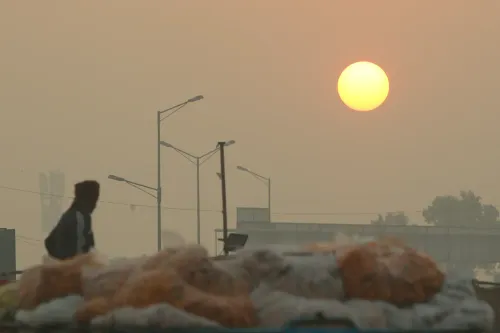
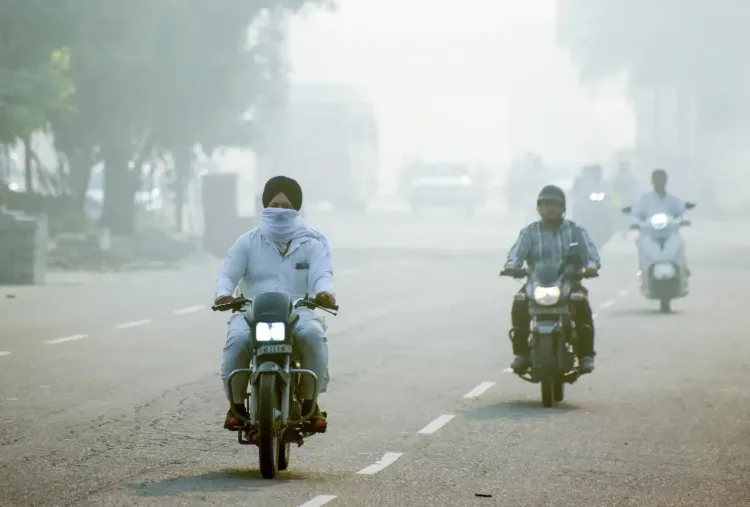
At 7:21 am IST on 9 November, an AQI monitoring platform recorded Patiala's index at 499 — just one point below the absolute ceiling. PM2.5 concentrations stood at 323 micrograms per cubic metre, and PM10 levels reached 402 micrograms per cubic metre, both far exceeding safe thresholds set by the World Health Organisation (WHO). The same platform ranked Patiala 21st among the most polluted cities globally on that date.
PPCB's Stubble Burning Report
According to the PPCB report, 96 per cent of Patiala district's total 2.314 lakh hectares of paddy cultivation area had been harvested by 8 November. Of the 288 stubble-burning incidents logged, authorities inspected 157 fields and confirmed burning at 94 locations. Three farms were additionally identified where signs of stubble burning fell under the non-AFL (non-active fire location) category.
Fines, FIRs and Warning Notices
The enforcement response has been significant in scale, if not yet in recovery. Environmental compensation (EC) was imposed in 68 stubble-burning cases, with a total penalty of ₹3.45 lakh levied — of which only ₹1.25 lakh has been recovered so far. Separately, authorities registered 77 FIRs, made red entries in revenue records in 33 cases, and issued 185 warning notices to farmers and landowners.
Why Pollution Cannot Be Blamed on One Source Alone
Officials and analysts caution that attributing Patiala's hazardous air quality solely to stubble burning or Diwali firecrackers would be an oversimplification. Meteorological factors — including lower wind speeds and temperature inversions typical of early winter — trap pollutants close to the ground and amplify the impact of multiple emission sources. A comprehensive assessment of vehicular emissions, industrial activity, and prevailing weather conditions is essential for an accurate diagnosis, according to environmental experts.
What Happens Next
The Punjab administration has initiated a series of steps to check stubble burning, but officials acknowledge that incidents continue to pose a persistent challenge. With harvesting nearly complete across Patiala district, the acute phase of the stubble-burning season may be nearing its end — but residents face days, possibly weeks, of severely degraded air before conditions improve. The effectiveness of enforcement action — particularly the gap between penalties imposed and amounts recovered — will be a key measure of institutional accountability going forward.
Point of View
But the enforcement numbers reveal a deeper problem: of ₹3.45 lakh in fines imposed, less than 37 per cent has been recovered, and 77 FIRs have yet to translate into visible deterrence. Punjab has been here before — ambitious crackdown announcements followed by harvests where fires continue at scale. The near-complete harvesting of paddy area means the acute burning phase may be winding down, but that offers cold comfort to residents breathing air ranked among the worst on the planet. The real accountability test is not how many notices were issued, but whether penalty recovery rates and conviction outcomes improve enough to change farmer behaviour before next season.
NationPress
9 Nov 2026
Frequently Asked Questions
What is Patiala's AQI level today and why is it dangerous?
Patiala's AQI was recorded at 499 on 9 November 2026, placing it in the severe category — the highest risk band. At this level, even healthy individuals can experience serious respiratory effects, while those with pre-existing conditions face acute health risks.
How many stubble-burning cases has PPCB recorded in Patiala?
The Punjab Pollution Control Board logged 288 stubble-burning incidents in Patiala district as of 8 November 2026. Of 157 fields inspected, burning was confirmed at 94 locations.
What penalties have been imposed for stubble burning in Patiala?
Environmental compensation was levied in 68 cases, with a total fine of ₹3.45 lakh. Of this, only ₹1.25 lakh has been recovered so far. Additionally, 77 FIRs have been registered and 185 warning notices issued.
Is stubble burning the only cause of Patiala's severe air pollution?
No. While stubble burning is a significant contributor, experts note that Diwali firecrackers, vehicular emissions, industrial activity, and meteorological conditions — such as temperature inversions and low wind speeds typical of early winter — all play a role in trapping and intensifying pollution levels.
When will air quality in Patiala improve?
With 96 per cent of Patiala's paddy area already harvested, the peak stubble-burning season is reportedly nearing its end. However, early-winter meteorological conditions are likely to keep pollutant concentrations elevated for several more weeks.