Pradhan: Cabinet clears ₹10,000 Cr Container Manufacturing Scheme
Synopsis
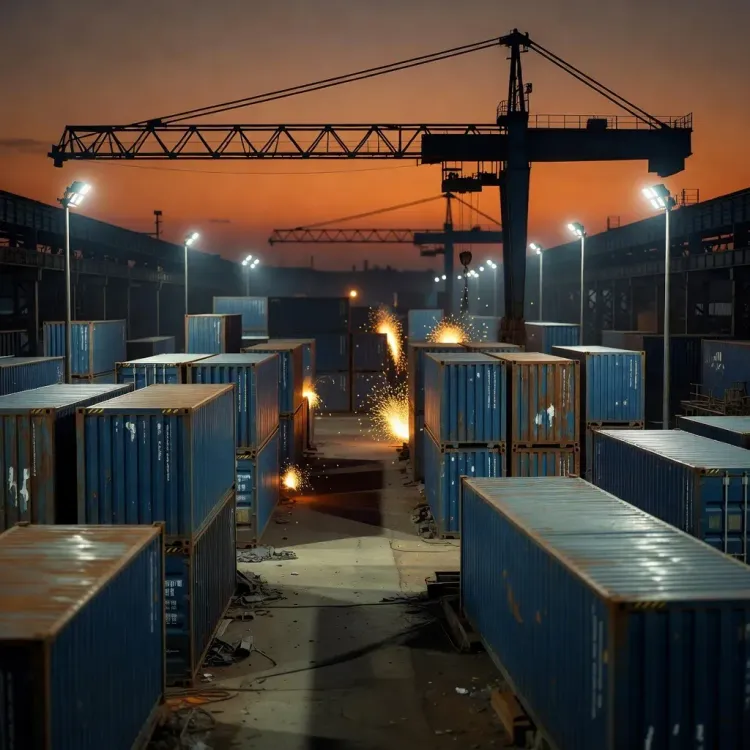
The Union Cabinet has approved a ₹10,000 crore Container Manufacturing Promotion Scheme to scale India's container output ten-fold to 7.5 lakh TEUs annually and generate over 53,000 jobs, advancing India's Make in India and supply-chain resilience goals.
Key Takeaways
The Union Cabinet, chaired by PM Narendra Modi , approved the ₹10,000 crore Container Manufacturing Promotion Scheme on 28 October 2026 .
The scheme targets a ten-fold increase in India's container manufacturing capacity, reaching 7.5 lakh TEUs annually.
Over 53,000 jobs are projected to be created in manufacturing and maritime logistics sectors.
The initiative aims to reduce India's dependence on imported shipping containers and cut freight-cost vulnerability.
The scheme extends the Make in India programme — launched in September 2014 — into the maritime supply-chain domain.
Rollout credibility will depend on tender timelines, anchor manufacturer selection, and actual fabrication capacity additions.
India's container manufacturing sector is about to get a jolt unlike anything it has seen before. Union Education Minister and senior BJP leader Dharmendra Pradhan announced on Wednesday, 28 October 2026 that the Union Cabinet, chaired by Prime Minister Narendra Modi, has approved the ₹10,000 crore Container Manufacturing Promotion Scheme — a targeted push to transform India from a net importer of shipping containers into a global production powerhouse.
Ten-fold capacity jump: the numbers that matter
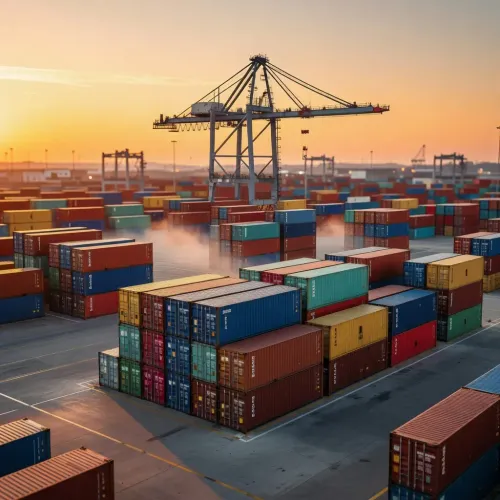
The scheme's headline target is audacious: scale India's container manufacturing capacity ten-fold, reaching 7.5 lakh TEUs (twenty-foot equivalent units) annually. To put that in perspective, India currently depends heavily on imported containers — a vulnerability that global supply-chain shocks since 2020 exposed in sharp relief. With 7.5 lakh TEUs of domestic capacity, Indian exporters would no longer scramble for boxes during the next global freight disruption.
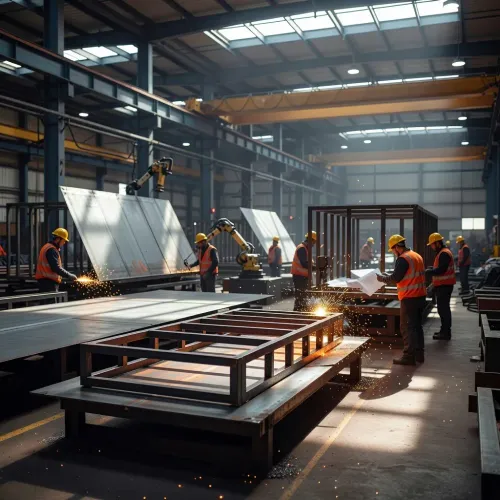
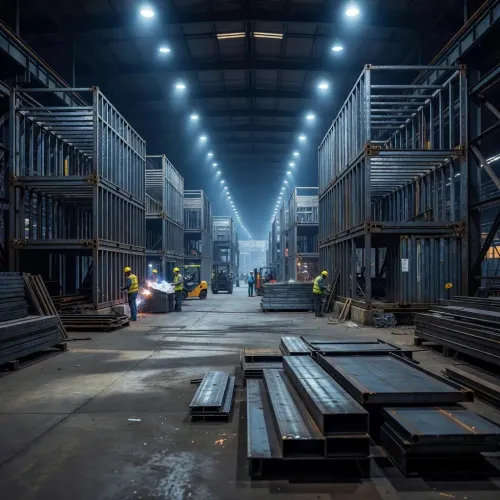
The scheme is also projected to generate over 53,000 direct jobs, injecting fresh employment into the maritime logistics and heavy manufacturing sectors. Those are not abstracted numbers — they represent fabrication yards, welding shops, port-side assembly lines, and the supply chains feeding them.
Make in India's maritime chapter
This Cabinet decision is best read as the maritime chapter of the Make in India programme, which Prime Minister Modi launched in September 2014 to reduce import dependence and position India as a global manufacturing base. For over a decade, successive scheme launches have targeted electronics, defence, semiconductors, and renewables. Containers — the steel arteries of global trade — had remained a conspicuous gap. The Container Manufacturing Promotion Scheme closes it.
The logic is strategic as much as economic. A country that cannot manufacture its own shipping containers is, in some sense, renting its access to global trade. By building domestic capacity, India simultaneously cuts freight-cost volatility, reduces the foreign-exchange outgo on container imports, and offers a credible alternative to the handful of countries — overwhelmingly China — that currently dominate global box production.
Supply-chain resilience after 2020's hard lessons
The COVID-19 pandemic and its aftermath rewired how governments think about supply chains. Port congestion, container shortages, and sky-high freight rates hit Indian exporters — textiles, chemicals, engineering goods — with particular force between 2021 and 2023. Policymakers drew a direct lesson: dependence on imported containers is a structural risk, not a temporary inconvenience. The ₹10,000 crore outlay is, in that sense, an insurance premium India is choosing to pay now rather than absorb as crisis costs later.
The maritime logistics industry — shipping lines, inland container depot operators, port authorities — stands to benefit from a domestically produced, competitively priced container supply. For exporters, reliable box availability at stable prices could meaningfully reduce working-capital cycles. For India's port infrastructure, absorbing a ten-fold jump in domestic container output also implies fresh investment in fabrication zones and feeder logistics.
What the rollout will reveal
Cabinet approvals announce ambitions; tender processes and actual steel bent at fabrication yards confirm them. The credibility of the 7.5 lakh TEU target will be tested by the speed at which the government frames production-linked incentive structures, identifies anchor manufacturers, and clears land and environmental approvals for new facilities. Observers will also watch whether the scheme attracts global container manufacturers as joint-venture partners — that would signal serious private-sector conviction in India's cost competitiveness.
If the capacity targets are met on schedule, India would enter the ranks of the world's significant container-producing nations — not just a market for boxes, but a maker and exporter of them.
Point of View
000 crore commitment signals that the Modi government has absorbed the post-2020 lesson about container dependence and is responding with structural rather than symptomatic policy. For Make in India, this is an important extension beyond electronics and defence into trade infrastructure itself. The real test, as always, lies in execution: whether incentive architecture is sharp enough to attract serious capital and whether fabrication capacity actually comes online at the pace the ten-fold target demands.
NationPress
28 Oct 2026
Frequently Asked Questions
What is the Container Manufacturing Promotion Scheme?
The Container Manufacturing Promotion Scheme is a ₹10,000 crore Union Cabinet-approved initiative to build domestic shipping-container manufacturing capacity in India, targeting 7.5 lakh TEUs annually — a ten-fold jump from current levels.
How many jobs will the Container Manufacturing Promotion Scheme create?
The scheme is projected to generate over 53,000 jobs across container manufacturing, maritime logistics, and related supply-chain sectors.
What is a TEU and why does the 7.5 lakh target matter?
TEU stands for twenty-foot equivalent unit, the standard measure for shipping-container capacity. A target of 7.5 lakh TEUs annually would make India a significant global container producer, reducing its dependence on imported boxes that currently expose exporters to freight-market volatility.
How does this scheme relate to Make in India?
Make in India, launched in September 2014, aims to reduce import dependence and build India into a global manufacturing hub. The Container Manufacturing Promotion Scheme extends that programme into the maritime trade-infrastructure space, targeting a sector that has long been dominated by a small number of foreign producers.
Who approved the Container Manufacturing Promotion Scheme?
The Union Cabinet, chaired by Prime Minister Narendra Modi, approved the scheme. Senior BJP leader and Union Education Minister Dharmendra Pradhan announced the decision on 28 October 2026.