Pradhan Meets Nityanand Rai, Discusses Bihar Education
Synopsis
Union Education Minister Dharmendra Pradhan met Cabinet colleague Nityanand Rai on 23 June 2026, holding detailed discussions on Bihar's development, education sector progress, and public welfare — reflecting ongoing Centre-state coordination on NEP implementation and regional human capital priorities.
Key Takeaways
Dharmendra Pradhan , Union Education Minister, met Nityanand Rai , MoS Home Affairs, on 23 June 2026 .
Discussions covered Bihar's development , education sector progress, and public welfare issues.
The meeting reflects routine cabinet-level coordination between the Education Ministry and Bihar's BJP representatives.
The National Education Policy 2020 remains the key framework guiding central-state education engagement, with Bihar among the priority states for implementation.
No specific policy decisions or announcements were made public following the meeting.
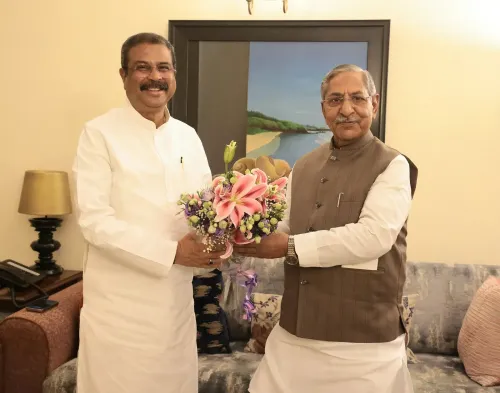
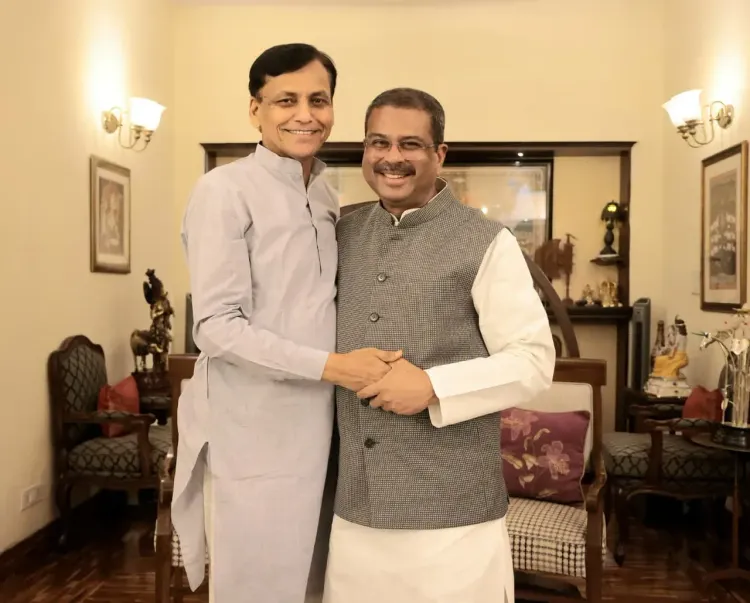
Union Education Minister Dharmendra Pradhan met fellow Union Cabinet colleague Nityanand Rai on Tuesday, 23 June 2026, for discussions spanning Bihar's development, progress in the education sector, and issues of public welfare.
Context
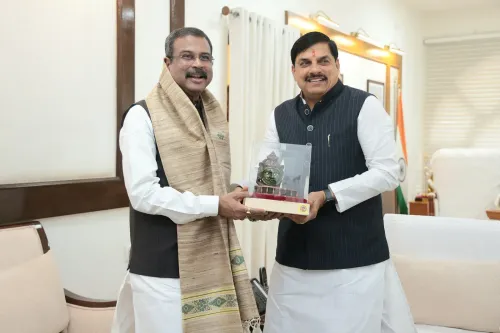
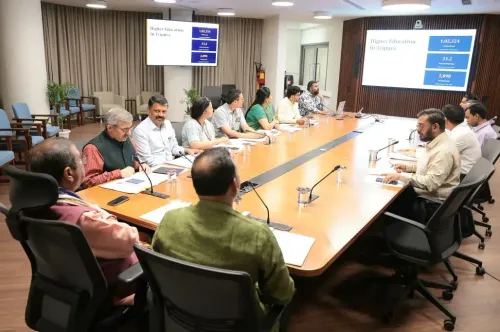
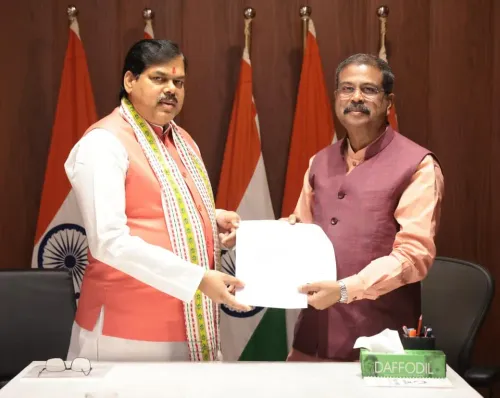
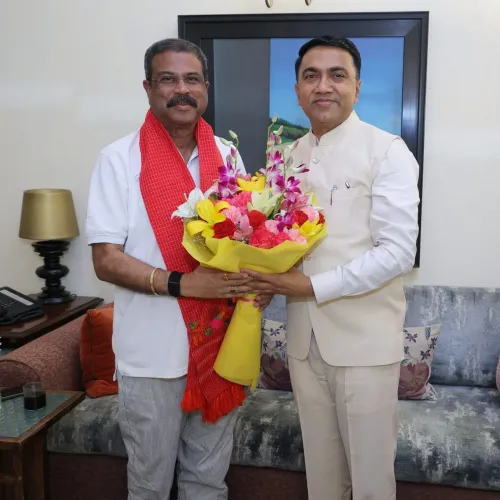
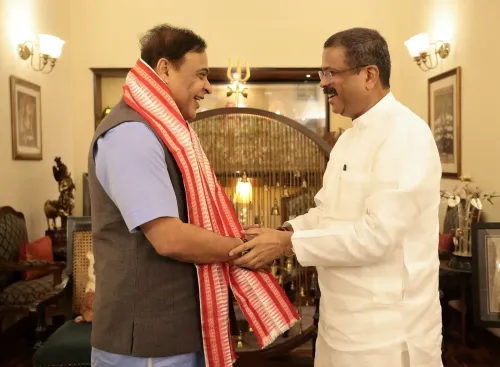
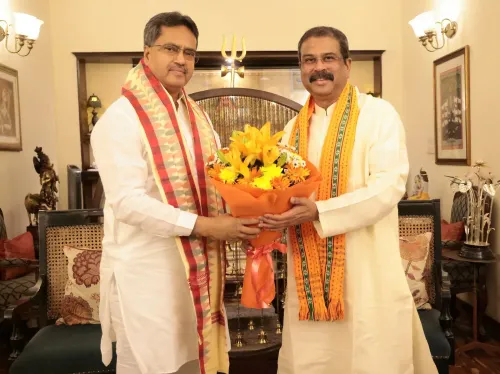
Pradhan shared the meeting on X, noting that the two leaders held 'विस्तृत चर्चा' ('detailed discussions') on subjects of national and Bihar-specific importance. The post, accompanied by two photographs of the meeting, described the agenda as covering development, education sector progress, and public welfare — three pillars that have anchored the NDA's engagement with Bihar over successive terms.
Rai, a senior BJP leader from Bihar, serves as Minister of State for Home Affairs and has been a consistent voice for state interests within the Union Cabinet. His meeting with the Education Minister signals continued coordination between the two ministries on Bihar's human capital priorities.
Policy Backdrop
Education has been a focal point of central government engagement with Bihar for over a decade. The National Education Policy 2020, approved by the Union Cabinet in July 2020, replaced the 1986 policy framework and introduced sweeping structural changes across school and higher education — changes that states like Bihar, with large student populations and persistent infrastructure gaps, are still working to implement.
Bihar has historically faced challenges in educational attainment, teacher vacancies, and institutional capacity. Central schemes linked to NEP implementation — covering mother-tongue-based instruction, vocational integration, and digital learning infrastructure — require close coordination between state governments and the Union Education Ministry for effective rollout.
Stakeholders and Impact
The primary stakeholders of any Bihar-focused education dialogue are the state's millions of school and college students, along with district-level education administrators who translate policy into ground-level delivery. Bihar is among India's most populous states, and improvements in its educational outcomes carry outsized national significance.
Cabinet-level bilateral meetings of this nature serve as a mechanism for surfacing state-specific implementation bottlenecks — whether related to fund utilisation, teacher training pipelines, or infrastructure timelines — and aligning them with the Union Ministry's national targets. Welfare-linked schemes touching on mid-day meals, scholarships, and girl-child education are among the areas where such coordination is most consequential.
What's Next
While no specific outcomes or decisions from the meeting have been publicly announced, such interactions typically precede state-level rollout updates, revised implementation timelines, or proposals that surface in subsequent parliamentary sessions. Observers will watch for any Bihar-specific announcements tied to NEP-linked programmes or education budget allocations in the months ahead. The meeting reinforces the pattern of routine but substantive cabinet-level coordination that underpins the Centre's welfare and human capital agenda in eastern India.
Point of View
The Education Ministry's bilateral engagement with Bihar-linked cabinet colleagues points to an effort to accelerate ground-level delivery ahead of state-level political cycles. Such exchanges also serve as informal feedback loops, allowing state representatives to flag implementation gaps before they become political liabilities. The pattern fits a broader NDA arc of using cabinet coordination as a soft instrument of cooperative federalism.
NationPress
23 Jun 2026
Frequently Asked Questions
Why did Dharmendra Pradhan meet Nityanand Rai?
Pradhan met Nityanand Rai on 23 June 2026 to hold detailed discussions on Bihar's development, progress in the education sector, and public welfare matters, as shared by the Education Minister on X.
What is Nityanand Rai's role in the Union Cabinet?
Nityanand Rai is a senior BJP leader from Bihar serving as Minister of State for Home Affairs in the Union Cabinet.
How is Bihar connected to India's National Education Policy 2020?
Bihar is among the large states working to implement the NEP 2020 framework, which replaced the 1986 education policy and introduced structural changes across school and higher education, including digital learning and vocational integration.
What decisions came out of the Pradhan-Rai meeting?
No specific decisions or policy announcements were made public following the meeting; it was described as a discussion on development, education, and welfare topics.
What is Dharmendra Pradhan's portfolio?
Dharmendra Pradhan serves as India's Union Education Minister and is a senior BJP leader from Odisha who previously held the portfolio of Union Petroleum Minister.