Priyanka Gandhi condoles Nagaland, Arunachal flood deaths
Synopsis
Congress general secretary Priyanka Gandhi Vadra on August 6, 2026, condoled deaths from landslides and flash floods in Nagaland and Arunachal Pradesh, prayed for the injured, and directed Congress workers to support relief and rescue operations across the affected northeast Indian states.
Key Takeaways
Priyanka Gandhi Vadra expressed condolences on August 6, 2026 over landslide and flash flood deaths in Nagaland and Arunachal Pradesh .
She prayed for the speedy recovery of those injured and the safety of all affected residents.
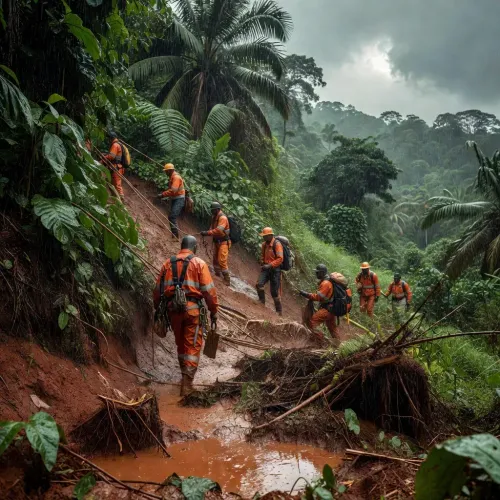
Congress workers were directly urged to support relief and rescue efforts on the ground.
Northeast India faces recurring monsoon-season landslides and flash floods due to steep terrain, heavy rainfall, and river systems prone to rapid flooding.
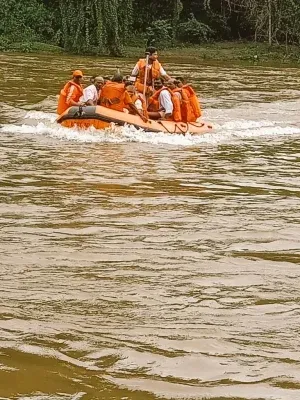
The National Disaster Response Force and state agencies routinely coordinate emergency response in these states during monsoon months.
Official damage assessments and central government assistance from the Ministry of Home Affairs are expected to follow.
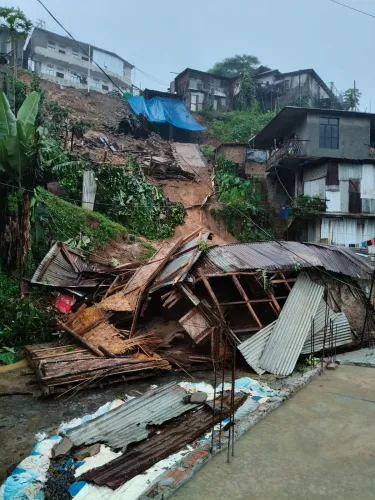
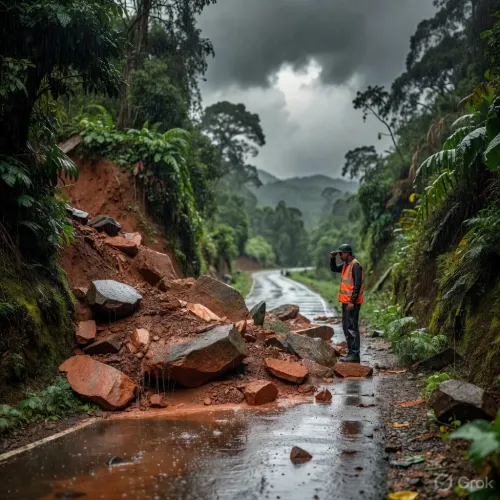
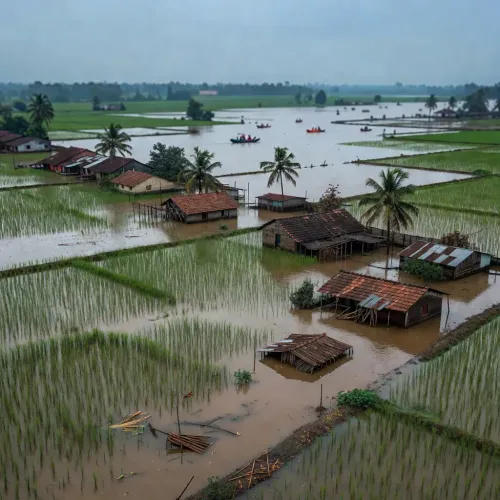
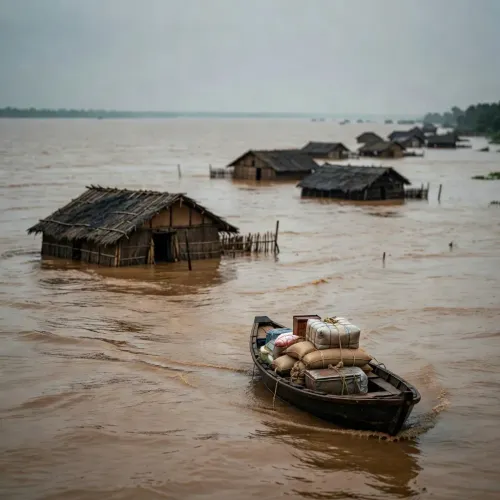
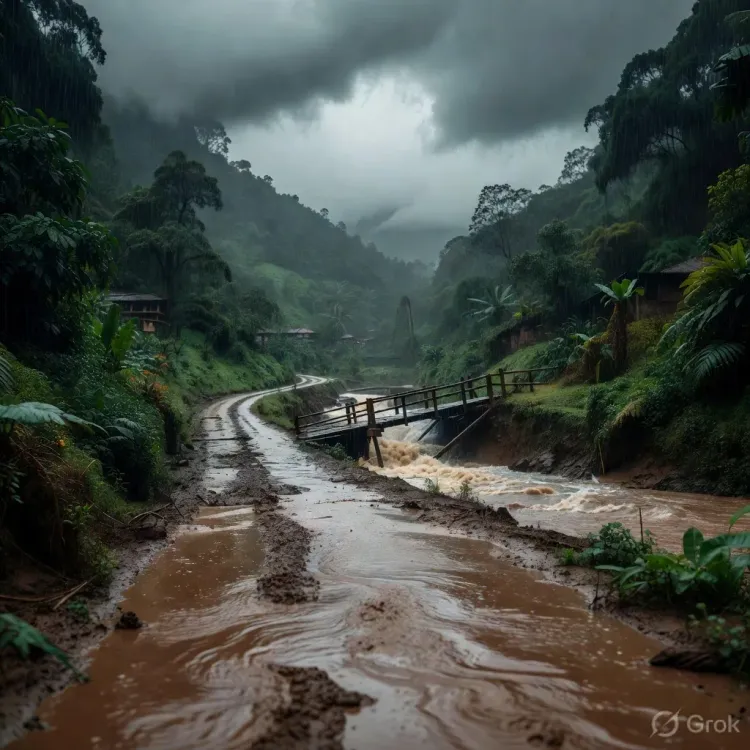
The mountains of Nagaland and Arunachal Pradesh are reeling this monsoon season — landslides and flash floods have torn through communities in India's northeast, claiming lives and leaving families in grief. Congress general secretary Priyanka Gandhi Vadra on Thursday, August 6, 2026, expressed her condolences and called on party workers to join relief and rescue operations on the ground.
'The devastation caused by landslides and flash floods across Nagaland and Arunachal Pradesh is heartbreaking,' she wrote, offering her 'deepest condolences to the families who have lost their loved ones' and urging Congress workers to extend 'all possible support to relief and rescue efforts in this hour of crisis.'
Why the Northeast is so exposed every monsoon
Northeast India's vulnerability to this kind of destruction is structural, not incidental. Nagaland and Arunachal Pradesh sit on steep, heavily forested terrain that drains enormous volumes of monsoon rainfall into fast-moving rivers. When rainfall intensifies, the hillsides give way and rivers burst their banks — sometimes within hours. The National Disaster Response Force and state disaster agencies treat this corridor as a recurring annual emergency zone, pre-positioning teams ahead of peak monsoon months.
Arunachal Pradesh, India's northeasternmost state, carries some of the country's most dramatic river gradients. Nagaland, bordering Myanmar, faces similar topographic pressures. Both states have thin road connectivity in interior districts, which slows rescue operations and delays the delivery of relief supplies to cut-off villages.
Congress workers directed to the front lines
Beyond the condolence message, Priyanka Gandhi's post carried a direct operational instruction — a call for Congress party workers in the affected states to mobilise alongside government relief agencies. Such directives from party leadership are a standard mechanism for political organisations to demonstrate ground presence during disasters, supplementing official NDRF and state government response with local volunteer networks.
The Ministry of Home Affairs typically coordinates central assistance packages for states hit by large-scale natural disasters, and official damage assessments from both state governments will shape the scale of that response in the days ahead.
For the families in the hills of Nagaland and Arunachal Pradesh, the immediate calculus is simpler: rescue first, rebuild later. Every hour of delay costs more.
Point of View
With questions about infrastructure resilience and early-warning systems resurfacing after every major event. For the Congress party, maintaining visible engagement in states like Nagaland and Arunachal Pradesh — where it has limited electoral footprint — carries a longer strategic logic. The real test, as always, will be whether the party's ground mobilisation translates into measurable relief delivery.
NationPress
6 Aug 2026
Frequently Asked Questions
What did Priyanka Gandhi say about the Nagaland and Arunachal Pradesh floods?
Priyanka Gandhi Vadra called the devastation 'heartbreaking,' offered her deepest condolences to bereaved families, prayed for the recovery of the injured, and urged Congress workers to provide all possible support to relief and rescue efforts.
Why is Northeast India so prone to landslides and flash floods?
Nagaland and Arunachal Pradesh sit on steep mountain terrain with heavy monsoon rainfall and fast-moving river systems, making landslides and flash floods a recurring annual hazard, particularly from June to September.
What is the NDRF's role in Northeast India flood relief?
The National Disaster Response Force pre-positions teams in vulnerable northeastern states ahead of the monsoon season and coordinates rescue and relief operations alongside state disaster agencies when floods or landslides strike.
Which ministry handles central disaster relief assistance in India?
The Ministry of Home Affairs coordinates central government assistance packages for states affected by large-scale natural disasters, including floods and landslides in the northeast.
Is Priyanka Gandhi Gandhi involved in politics in Nagaland or Arunachal Pradesh?
Priyanka Gandhi Vadra is Congress general secretary in charge of Uttar Pradesh and a Lok Sabha MP from Wayanad, Kerala. Her statement reflects the party's national leadership responding to a disaster across northeastern states.