CM Bhagwant Mann Backs Punjab Startup Culture With Grants

Synopsis
The Chief Minister's Office of Punjab announced on June 16, 2026, that CM Bhagwant Mann's government is actively supporting the state's startup ecosystem through grants, platforms, and structured opportunities — part of a broader push to diversify Punjab's historically agriculture-dependent economy.
Key Takeaways
The Punjab Government announced on June 16, 2026 its commitment to supporting startup culture under CM Bhagwant Mann .
The state is offering grants, opportunities, and platforms to help startups innovate and grow.
The push aligns with the national Startup India initiative launched in January 2016 .
Punjab is seeking to diversify beyond agriculture and small-scale industry by attracting technology and innovation ventures.
The initiative aims to generate skilled employment and reduce talent out-migration from the state.
Peer states such as Karnataka , Maharashtra , and Telangana serve as benchmarks for Punjab's ecosystem-building ambitions.
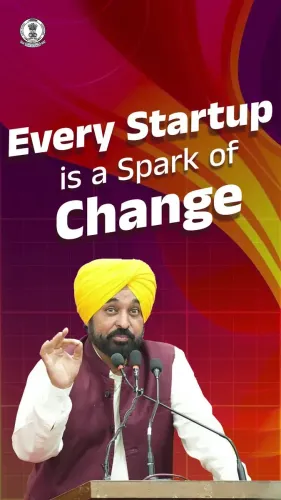
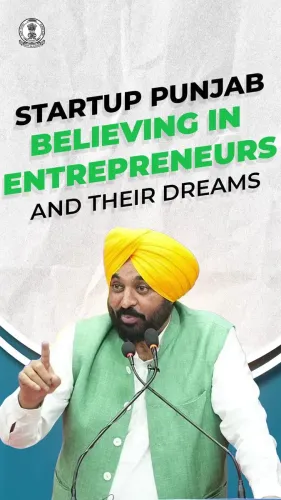
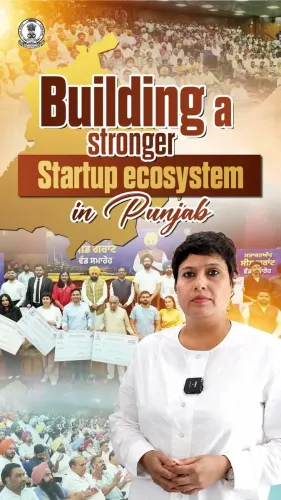
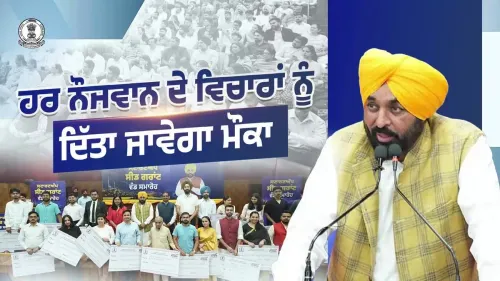
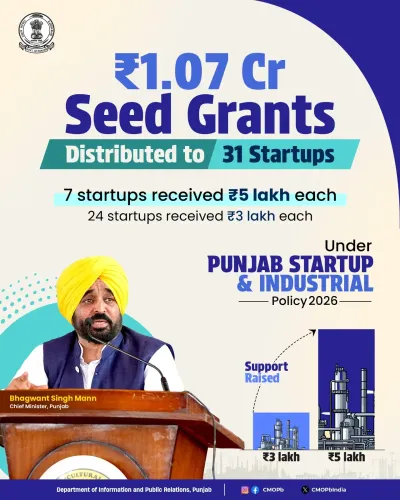
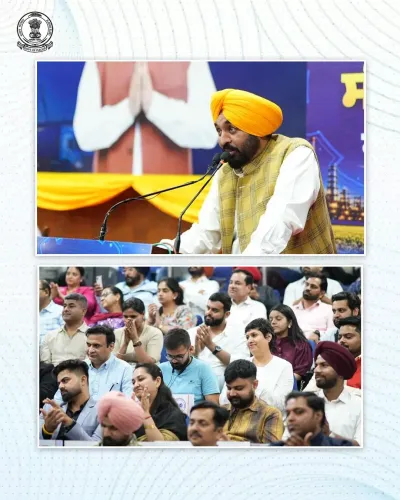
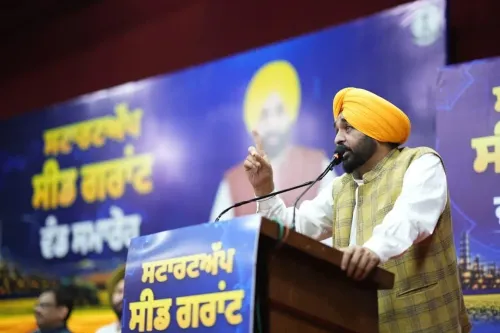
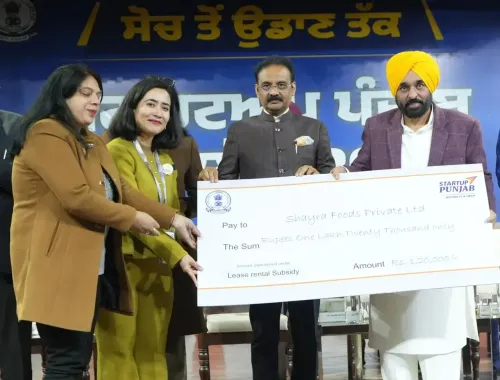
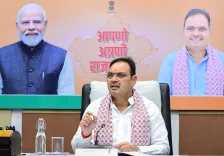
The Chief Minister's Office of Punjab, in a post on Tuesday, June 16, 2026, announced that the Punjab Government is actively supporting startup culture across the state under the leadership of Chief Minister Bhagwant Mann, offering grants, opportunities, and platforms to help new ventures innovate and grow.
The official post stated that under Mann's 'visionary leadership,' the state government is 'strongly supporting startup culture in the state by providing grants, opportunities, and platforms that help startups innovate, grow, and succeed.'
Context
Punjab, a state historically anchored in agriculture and small-scale industry, has been working to diversify its economic base since Chief Minister Bhagwant Mann took office in March 2022. High rates of youth out-migration and limited white-collar employment opportunities have pushed the state administration to prioritise innovation-led growth as a strategic goal. Startups and technology ventures are increasingly seen as vehicles for retaining educated talent within the state. The announcement aligns with a broader national framework. The Government of India launched the Startup India initiative in January 2016 to promote entrepreneurship, ease regulatory burdens, and improve access to funding for early-stage companies. State governments have since layered their own incentive structures on top of this national programme.Policy Backdrop
Indian states have competed vigorously to build local startup ecosystems, deploying state-level grants, incubators, accelerators, and ease-of-doing-business reforms alongside the central Startup India framework. States such as Karnataka, Maharashtra, and Telangana have positioned themselves as established startup hubs, attracting significant venture capital and talent. Punjab has sought to replicate elements of this model, leveraging its educated workforce and existing small-industry base. The government's stated approach — combining financial grants with structured platforms and market-access opportunities — mirrors playbooks adopted by peer states that have successfully seeded innovation clusters over the past decade.Stakeholders and Impact
The primary beneficiaries of the Punjab Government's startup push are early-stage founders, young entrepreneurs, and technology professionals based in or considering relocating to the state. Access to government grants can reduce the capital burden on seed-stage ventures, while state-backed platforms offer visibility and networking that early companies often struggle to secure independently. For the broader Punjab economy, a thriving startup ecosystem would generate skilled employment, increase tax revenues over time, and help stem the outflow of graduates who currently move to metropolitan centres or abroad in search of opportunity. Agricultural communities in the state may also benefit indirectly if agri-tech and rural-tech startups are among those supported.What's Next
The key test for the Punjab Government's startup ambitions will be the actual disbursement of announced grants and the launch of verifiable incubation or acceleration infrastructure. Observers will watch for concrete programme details in upcoming state budget sessions and industrial policy documents. Whether Punjab can translate political intent into a measurable increase in registered startups and funding activity will determine how its ecosystem compares with more established state-level hubs in the coming years.Point of View
The CMO is building a narrative of forward-looking governance ahead of future electoral cycles. The real measure, however, will be whether disbursements and institutional infrastructure materialise at scale, or whether the announcement remains aspirational. Punjab's ability to compete with Karnataka and Telangana for startup talent and capital will hinge on execution, not communication.
NationPress
15 Sept 2026
Frequently Asked Questions
What is the Punjab Government doing to support startups?
The Punjab Government, under CM Bhagwant Mann, is supporting startups by providing grants, structured platforms, and growth opportunities to help early-stage companies innovate and scale.
What is the Startup India initiative and how does it relate to Punjab?
Startup India is a national programme launched in January 2016 by the Government of India to promote entrepreneurship through tax benefits, simplified regulations, and funding access. Punjab's state-level startup support is designed to complement this national framework.
When did Bhagwant Mann become Chief Minister of Punjab?
Bhagwant Mann of the Aam Aadmi Party became Chief Minister of Punjab in March 2022.
Why is Punjab focusing on startups when it has a strong agricultural base?
Punjab is diversifying its economy to generate skilled employment and reduce youth out-migration. Startups and technology ventures are seen as key to attracting and retaining educated talent within the state.
Which Indian states are considered startup hubs that Punjab is trying to emulate?
Karnataka, Maharashtra, and Telangana are among the leading state-level startup ecosystems in India that Punjab looks to as benchmarks for its own ecosystem-building efforts.