Punjab Cabinet Passes Fee Cap Bill, Outsourcing Reform Under Mann

Synopsis
The Punjab Cabinet, meeting at the Vidhan Sabha on 6 August 2026, passed a bill to cap private school fee hikes, approved formalising outsourced government workers as contractual employees, and sanctioned three new Digital Open Universities under Chief Minister Bhagwant Mann.
Key Takeaways
The Punjab Cabinet cleared multiple major policy decisions at a Punjab Vidhan Sabha meeting on 6 August 2026 .
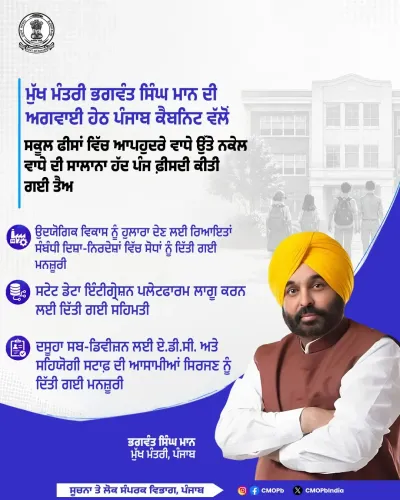
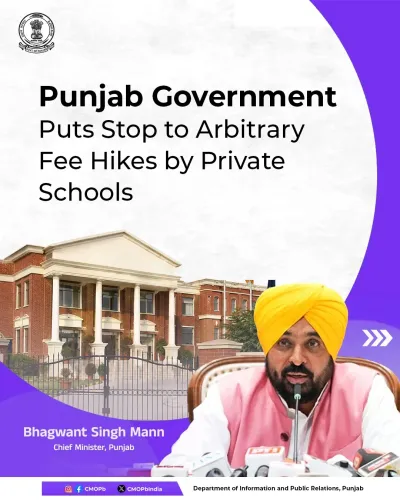
The Punjab Regulation of Fee of Un-aided Educational Institutions (Amendment) Bill, 2026 targets unreasonable fee hikes by private schools and colleges.
The Punjab State Outsourced Personnel Transition to Contractual Engagement Bill, 2026 would formalise employment terms for outsourced government workers.
Three new Digital Open Universities were approved to broaden higher-education access across the state.
Both bills must still pass the assembly and have rules notified before taking effect.
The decisions align with Chief Minister Bhagwant Mann 's AAP government's education and governance reform agenda since March 2022 .
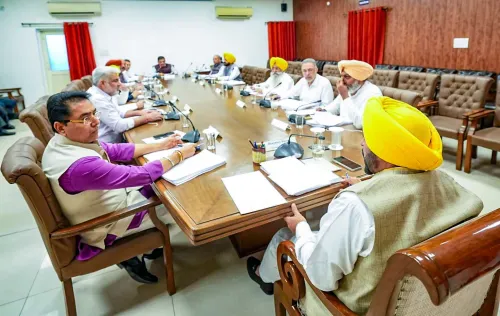
Private school parents in Punjab may soon get relief from runaway fee hikes — and thousands of outsourced government workers could finally see their employment terms formalised — after the Punjab Cabinet cleared a sweeping package of policy decisions on Thursday, 6 August 2026, meeting at the Punjab Vidhan Sabha under Chief Minister Bhagwant Mann.
The fee regulation bill: what it targets
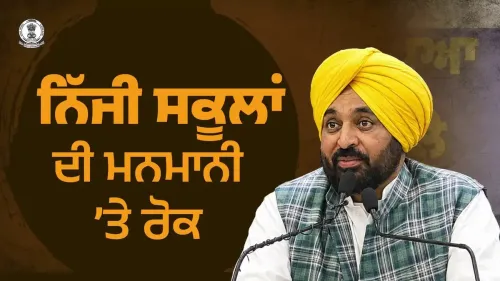
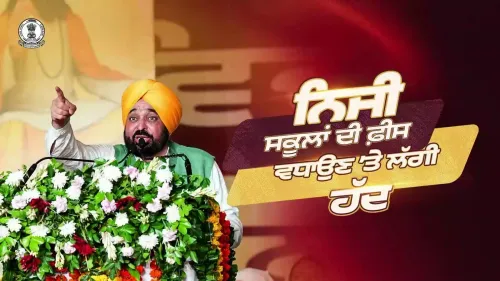
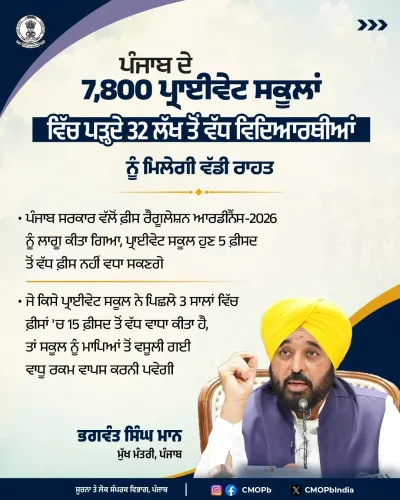
At the centre of the Cabinet's agenda was the Punjab Regulation of Fee of Un-aided Educational Institutions (Amendment) Bill, 2026, designed to put a legal ceiling on 'unnecessary and unreasonable fee hikes' by private unaided schools and colleges. Fee regulation has been one of the sharpest flashpoints between Punjab parents and private institutions for years — a grievance the Aam Aadmi Party repeatedly invoked during its 2022 election campaign. The bill now heads to the Punjab Vidhan Sabha for passage, after which the government will need to notify the implementing rules.
Outsourced workers, contractual status, and what changes
The Cabinet also cleared the Punjab State Outsourced Personnel Transition to Contractual Engagement Bill, 2026, which would move outsourced government employees onto formal contractual terms — a shift that typically brings improved job security, defined pay scales, and access to service benefits. Outsourced public-sector workers have long occupied a precarious middle ground: performing government functions without the protections of regular or even contractual employment. The bill's passage and rule notification will be the next critical milestone to watch.
Three new Digital Open Universities and the access push
Rounding out the major decisions, the Cabinet approved the establishment of three new Digital Open Universities across the state. The move extends Mann's administration's stated priority of widening higher-education access through technology — particularly for students in rural Punjab who face geographic and economic barriers to conventional campus-based learning. Specific names and locations for the three institutions have not yet been officially announced.
The Council of Ministers framed the session's output as 'landmark decisions aimed at strengthening education, improving governance and public service delivery, and promoting inclusive development' — language that maps directly onto the AAP's founding pitch to Punjab voters four years ago. Whether the two bills clear the assembly floor and translate into notified, enforceable rules will determine how landmark these decisions ultimately prove to be.
Point of View
Making it a high-visibility win if enforced effectively. The outsourced-staff bill signals an attempt to address a structurally vulnerable workforce without the fiscal cost of full regularisation. Together, the moves align Punjab's policy direction with AAP's earlier Delhi playbook, but the real test will be in implementation and rule-notification timelines, not the cabinet table.
NationPress
20 Sept 2026
Frequently Asked Questions
What is the Punjab Regulation of Fee of Un-aided Educational Institutions Amendment Bill 2026?
It is a bill passed by the Punjab Cabinet on 6 August 2026 that aims to prevent private unaided schools and colleges from imposing unnecessary or unreasonable fee increases on students.
What does the Punjab Outsourced Personnel Transition to Contractual Engagement Bill 2026 mean for workers?
The bill, if passed by the assembly and notified, would shift outsourced government employees onto formal contractual terms, giving them improved job security and defined employment conditions.
How many Digital Open Universities is Punjab setting up?
The Punjab Cabinet approved the establishment of three new Digital Open Universities to expand access to higher education, particularly for students who cannot attend conventional campuses.
Where did the Punjab Cabinet meet on 6 August 2026?
The Council of Ministers met at the Punjab Vidhan Sabha, the state's legislative assembly, to take these decisions under Chief Minister Bhagwant Mann.
When will the Punjab fee regulation and outsourcing bills become law?
Both bills still need to be passed by the Punjab Vidhan Sabha and have their implementing rules officially notified before they take legal effect.