CM Bhagwant Mann Drives DSR Paddy Area Past 4 Lakh Acres in Punjab
Synopsis
Punjab's CMO announced that DSR paddy coverage has crossed 4 lakh acres, a 36% jump, under CM Bhagwant Mann's push for water-saving rice cultivation. Farmers receive ₹1,500 per acre as incentive. The drive targets Punjab's chronic groundwater depletion driven by traditional transplanted paddy.
Key Takeaways
DSR coverage in Punjab has crossed 4 lakh acres in the kharif 2026 season, a rise of over 36 per cent .
The Mann government is offering ₹1,500 per acre as a direct incentive to farmers who adopt the DSR method.
DSR eliminates the need for field flooding during transplanting, significantly reducing groundwater consumption per crop cycle.
Punjab's rice-wheat system has caused decades of groundwater decline, making DSR adoption a critical long-term conservation priority.
Wider DSR uptake could also reduce subsidised power consumption used for groundwater pumping in the state.
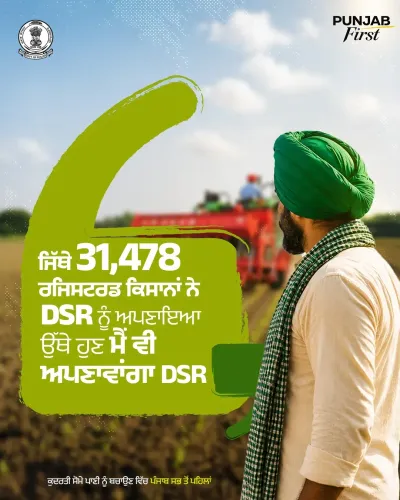
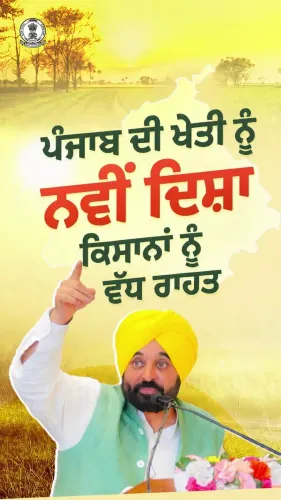
The Chief Minister's Office of Punjab announced on Tuesday, 21 July 2026 that the area under Direct Seeded Rice (DSR) cultivation in the state has surged by 36 per cent, crossing the 4 lakh acre mark under the leadership of Chief Minister Bhagwant Mann. The government is simultaneously offering farmers an incentive of ₹1,500 per acre to encourage adoption of the water-saving technique.
Context
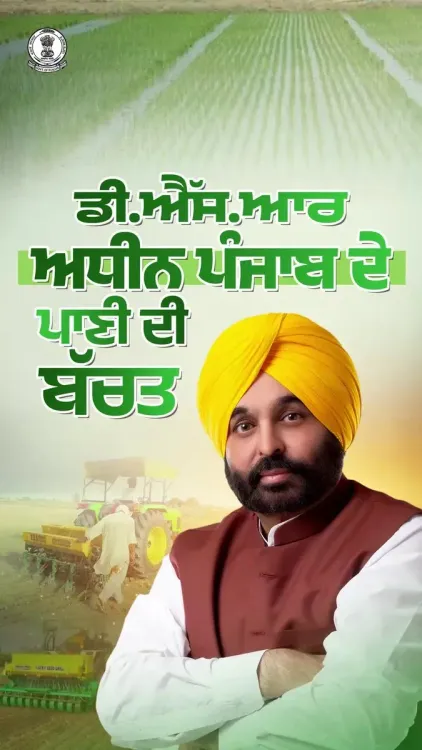
The CMO's post, originally in Punjabi, states: 'ਮੁੱਖ ਮੰਤਰੀ @BhagwantMann ਦੀ ਅਗਵਾਈ ਹੇਠ ਪੰਜਾਬ ਵਿੱਚ ਝੋਨੇ ਦੀ ਸਿੱਧੀ ਬਿਜਾਈ (ਡੀ.ਐੱਸ.ਆਰ) ਅਧੀਨ ਰਕਬਾ 36 ਫ਼ੀਸਦੀ ਤੋਂ ਵਧ ਕੇ 4 ਲੱਖ ਏਕੜ ਤੋਂ ਪਾਰ ਹੋ ਗਿਆ ਹੈ।' [Under Chief Minister Bhagwant Mann's leadership, the area under Direct Seeded Rice (DSR) in Punjab has grown by more than 36 per cent, crossing 4 lakh acres.] The announcement is part of the ongoing 2026 kharif season drive to promote sustainable paddy farming across the state.
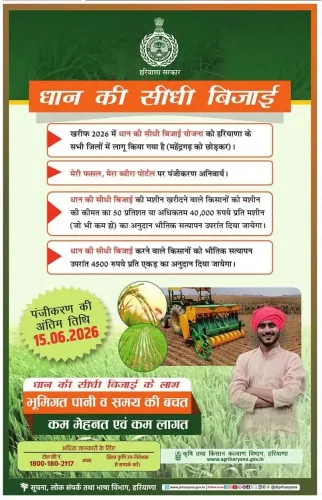
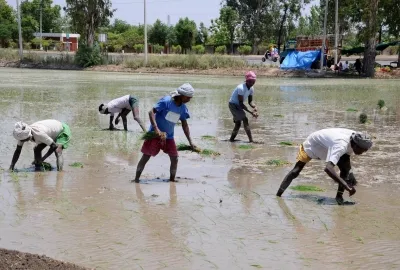
DSR involves sowing pre-germinated or dry rice seeds directly into the field rather than transplanting seedlings grown in nurseries. This eliminates the need to flood fields for weeks during transplanting, cutting water consumption significantly per crop cycle.
Policy Backdrop
Punjab is India's most intensively irrigated agricultural state, and its rice-wheat cropping system has been the primary driver of a decades-long decline in groundwater tables. Successive state governments have tried to incentivise farmers to shift away from traditional puddled transplanting, with DSR emerging as the most scalable alternative within the paddy system itself.
The ₹1,500 per acre cash incentive being offered by the Mann government follows a pattern of direct benefit transfers to farmers to offset any perceived yield risk during the transition to the newer method. Extension agencies and agriculture department officials have been deployed at the block level to provide technical support to adopting farmers during the current season.
Stakeholders and Impact
Punjab's paddy farmers, who collectively cultivate millions of acres of rice every kharif season, stand to benefit directly through the per-acre incentive and reduced input costs — DSR lowers the labour requirement for transplanting, which has become increasingly expensive. The state's groundwater-dependent villages, particularly in the central and south-western districts of Punjab, are the primary beneficiaries of any measurable reduction in irrigation water draw.
Beyond farmers, the initiative has implications for the state's power sector: groundwater pumping for paddy irrigation is a major driver of subsidised electricity consumption in Punjab, meaning a reduction in irrigation demand could ease pressure on the state's power budget over successive seasons.
What's Next
The government's focus will now shift to monitoring actual adoption rates through the remainder of the kharif 2026 sowing window and ensuring timely disbursement of the ₹1,500 per acre incentive to verified DSR farmers. Groundwater monitoring data from the Central Ground Water Board over the next one to two post-monsoon cycles will be a key indicator of whether the expanded DSR coverage is translating into measurable aquifer recovery. If adoption continues to scale at the current pace, the Mann government may face pressure to revise the incentive structure upward or expand it to additional districts in future seasons.
Point of View
Which has positioned water conservation as a flagship agricultural agenda since taking office in 2022. The ₹1,500 per acre incentive is a continuation of a well-worn policy tool in Punjab — direct cash transfers to de-risk farmer behaviour change — but the scale of adoption this season suggests the outreach machinery is working more effectively than in previous years. The real test, however, is whether the area gains translate into verified groundwater savings, a metric that past DSR drives in the state have struggled to demonstrate conclusively. If the Mann administration can produce credible aquifer-level data alongside the acreage numbers, it would significantly strengthen the policy's political and environmental case heading into the next election cycle.
NationPress
20 Oct 2026
Frequently Asked Questions
What is Direct Seeded Rice (DSR) and why is Punjab promoting it?
DSR is a method where rice seeds are sown directly into the field instead of transplanting nursery-grown seedlings, which requires far less water. Punjab is promoting it to slow the rapid depletion of groundwater caused by traditional paddy cultivation.
What incentive is the Punjab government giving farmers for DSR in 2026?
The Punjab government under CM Bhagwant Mann is offering ₹1,500 per acre to farmers who adopt the Direct Seeded Rice method during the kharif 2026 season.
How much area in Punjab is now under DSR cultivation?
According to the Chief Minister's Office of Punjab, DSR coverage has crossed 4 lakh acres in the current kharif season, an increase of more than 36 per cent .
How does DSR help Punjab's groundwater crisis?
Traditional paddy transplanting requires fields to be flooded for extended periods, consuming large volumes of groundwater. DSR eliminates this flooding requirement, reducing per-acre irrigation water use and helping slow the decline of the water table.
Who is overseeing Punjab's DSR drive in 2026?
The initiative is being led by Chief Minister Bhagwant Mann of the Aam Aadmi Party government, with implementation carried out through the state's agriculture department and field-level extension workers.