Punjab passes fee cap bill, limits private school hikes to 5%
Synopsis
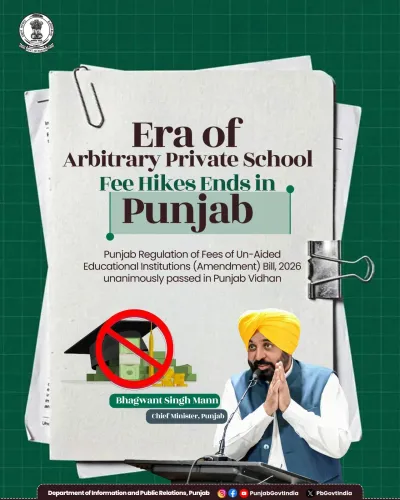
Punjab's Vidhan Sabha unanimously passed a Fee Regulation Bill on 11 August 2026 under CM Bhagwant Mann, barring private schools from raising annual fees by more than 5 percent — a landmark move to curb arbitrary fee hikes affecting millions of families.
Key Takeaways
The Punjab Vidhan Sabha unanimously passed the Fee Regulation Bill during the 13th session of the 16th Assembly on 11 August 2026 .
Private schools in Punjab are now barred from raising annual fees by more than 5 percent in a single year.
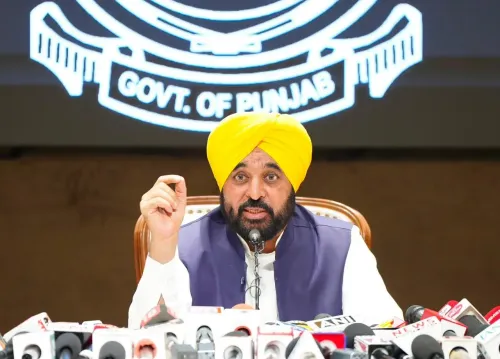
The bill was passed under the leadership of Chief Minister Bhagwant Mann of the Aam Aadmi Party.
The unanimous vote signals cross-party consensus, removing any legislative cover for private school lobby groups.
Implementation will hinge on detailed rules to be notified under the act, including enforcement and grievance mechanisms.
Legal challenges before the Punjab and Haryana High Court by school associations remain a key risk to watch.
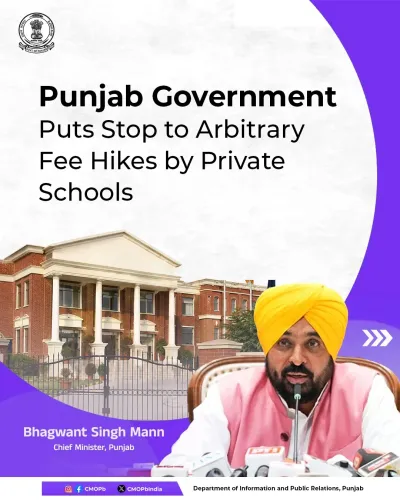
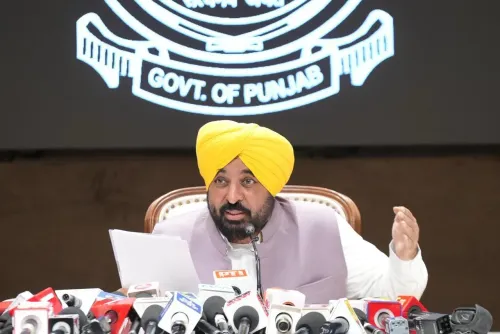
Every parent in Punjab who has grimaced at a private school fee notice just got a legislative shield. The Chief Minister's Office of Punjab announced on Tuesday, 11 August 2026 that the Punjab Vidhan Sabha has unanimously passed a Fee Regulation Bill during the 13th session of the 16th Punjab Vidhan Sabha — capping annual fee hikes at private schools at a hard ceiling of 5 percent.
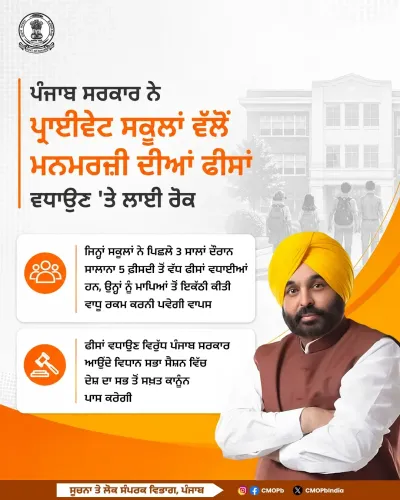
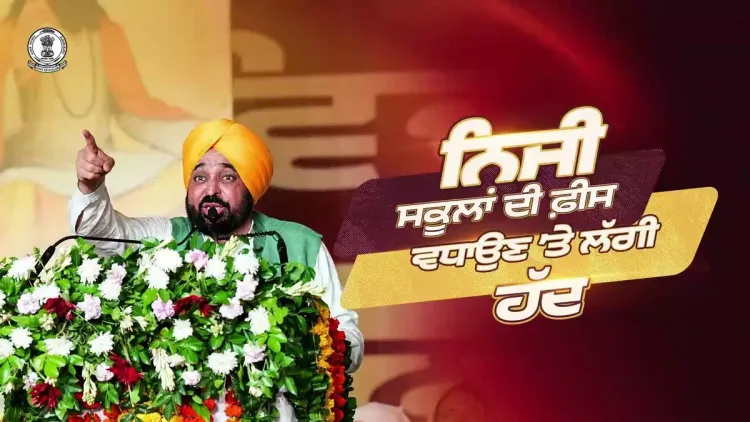
The post, shared by the Chief Minister's Office of Punjab, states in Punjabi: 'ਮੁੱਖ ਮੰਤਰੀ @BhagwantMann ਦੀ ਅਗਵਾਈ ਹੇਠ... ਫ਼ੀਸ ਰੈਗੂਲੇਸ਼ਨ ਬਿੱਲ ਸਰਬਸੰਮਤੀ ਨਾਲ ਪਾਸ ਕੀਤਾ ਗਿਆ' — 'Under the leadership of Chief Minister Bhagwant Mann, the Fee Regulation Bill was passed unanimously to curb the arbitrary conduct of private schools.' The unanimous vote signals rare cross-party consensus on an issue that cuts across ideological lines: the household finances of millions of Punjab families.
What the 5% cap actually means for Punjab families
Under the new law, no private school in Punjab can raise its fees by more than 5 percent annually. For a family paying ₹50,000 a year in school fees, the cap limits the annual increase to a maximum of ₹2,500 — replacing a system where schools could, and often did, announce double-digit hikes with little accountability. The bill directly targets what the government calls 'arbitrary conduct' by private school managements.
Punjab's private school sector is substantial, serving a significant share of urban and semi-urban families who opt out of government schooling. For many of these households, unchecked fee escalation has been a persistent financial pressure point — one that political parties across India have repeatedly promised to address but rarely legislated.
CM Bhagwant Mann's education push since 2022
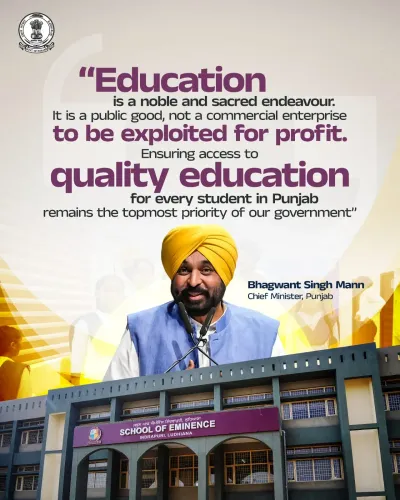
Chief Minister Bhagwant Mann, who led the Aam Aadmi Party to power in Punjab in 2022, has positioned education reform as a signature plank of his government — mirroring the AAP playbook from Delhi, where government school upgrades drew national attention. The Fee Regulation Bill extends that focus to the private sector, where state intervention is politically popular but legally complex.
Several Indian states have attempted similar legislation over the years, with mixed results. Fee regulation laws have historically faced challenges before high courts, with private unaided institutions arguing that autonomy in fee-setting is a constitutional right. The notification of detailed rules under Punjab's new act — and any petition that school associations may file before the Punjab and Haryana High Court — will be the real test of how durable this cap proves to be.
A unanimous vote that raises the political stakes
The unanimous passage is politically significant. It leaves private school lobbies without a legislative ally and hands the Mann government an unambiguous mandate to defend in court if challenged. It also raises the bar for implementation: a law passed with no dissent carries a stronger democratic claim, but it equally means the government owns every consequence of enforcement.
Punjab parents will now watch two things closely: whether the rules framed under the act give the cap real teeth — with an inspections regime, a grievance mechanism, and meaningful penalties for violations — and whether school managements mount the legal challenge that has derailed similar laws in other states. The bill is passed. The battle may be just beginning.
Point of View
Converting a long-standing parental grievance into hard law with no opposition fingerprints on the dissent column. It fits neatly into AAP's broader brand of governance-as-welfare, extending from Delhi's government school model to Punjab's private sector regulation. However, the real test lies ahead: fee-cap legislation in India has a patchy track record before constitutional courts, and the durability of this law will depend on how robustly the state frames its rules and defends its position against institutional autonomy arguments. If the cap holds, it becomes a replicable template for other AAP-governed or opposition-run states watching closely.
NationPress
11 Aug 2026
Frequently Asked Questions
What is the Punjab Fee Regulation Bill 2026?
The Punjab Fee Regulation Bill, passed unanimously on 11 August 2026, limits annual fee increases by private schools in Punjab to a maximum of 5 percent, preventing arbitrary hikes by school managements.
From when will the Punjab private school fee cap apply?
The bill has been passed by the Punjab Vidhan Sabha as of 11 August 2026. It will come into force once notified by the government, along with detailed rules for implementation.
Can private schools in Punjab raise fees more than 5% now?
No. Under the new law, no private school in Punjab is permitted to increase annual fees by more than 5 percent. Exceeding this cap would be a violation of the act.
Which government passed the Punjab school fee regulation bill?
The bill was passed under the Aam Aadmi Party government led by Chief Minister Bhagwant Mann during the 13th session of the 16th Punjab Vidhan Sabha.
Can private schools challenge the Punjab fee cap in court?
Yes. Private school associations may petition the Punjab and Haryana High Court, as similar fee-regulation laws in other states have faced legal challenges on grounds of institutional autonomy. The outcome would depend on how the law is framed and defended.