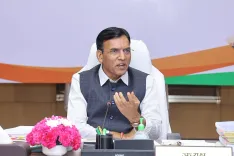
Puri: LPG daily output surged to 55,000 MT amid shortage rumours
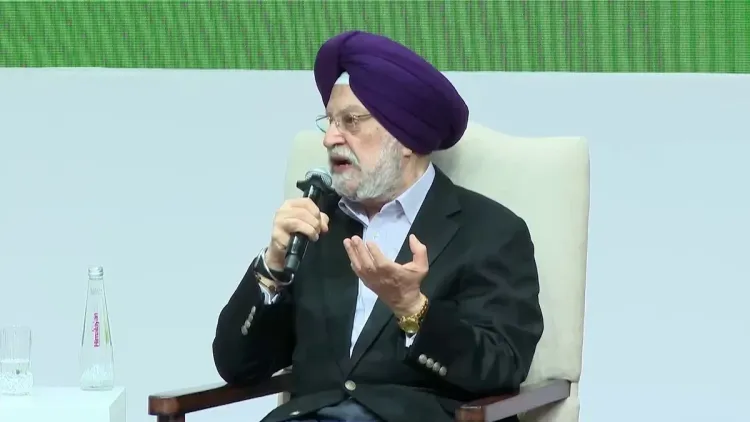
Synopsis
Union Petroleum Minister Hardeep Singh Puri told FICCI's AGM that rumour-driven LPG booking spikes — from 52 lakh to over 90 lakh cylinders daily — were met by a government-coordinated output surge to 55,000 metric tonnes per day, averting any shortage or rationing.
Key Takeaways
Daily LPG cylinder bookings surged from roughly 52 lakh to over 90 lakh amid shortage rumours during the global energy crisis.
The government ramped daily LPG production from approximately 34,000 metric tonnes to 55,000 metric tonnes in response.
Puri says the intervention prevented any gas shortage, rationing, or disruption to economic activity.
The statement was made at the FICCI Annual General Meeting on 19 November 2026 .
The episode was framed as evidence of India's energy preparedness under PM Narendra Modi 's leadership.
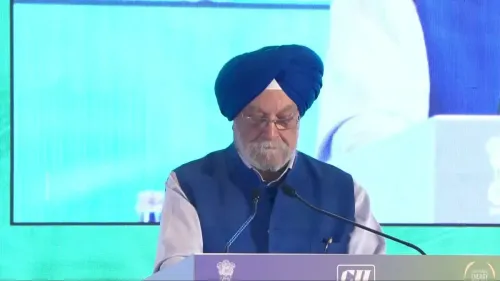
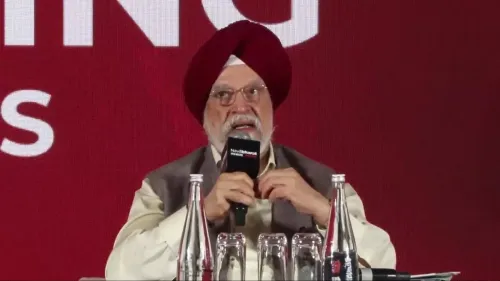
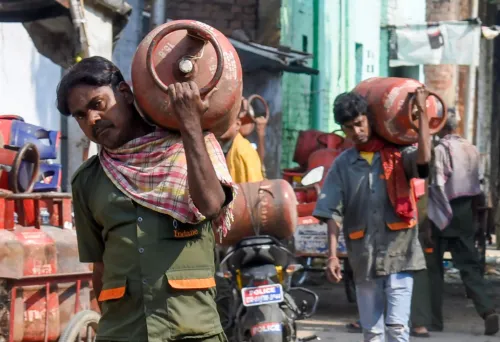
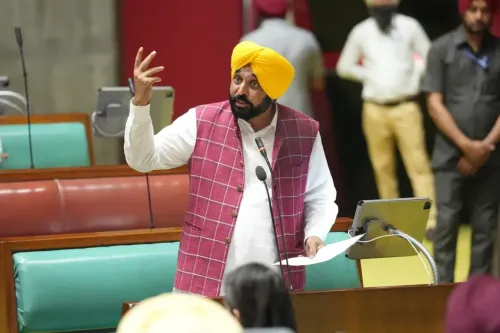
When rumours of an LPG shortage swept across India, daily cylinder bookings nearly doubled overnight — and the government answered with a production surge that kept every kitchen running. Speaking at the FICCI Annual General Meeting on Thursday, 19 November 2026, Union Petroleum Minister Hardeep Singh Puri laid out the numbers behind what he called a decisive test of India's energy preparedness.
From 52 lakh bookings to 90 lakh: how the panic unfolded
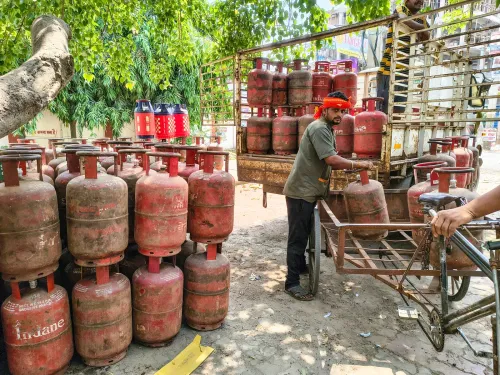
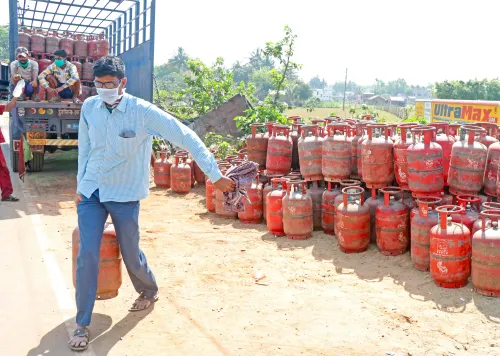
Puri's post, in Hindi, described how 'some people spread rumours of an LPG shortage amid the global energy crisis' — triggering a demand spike that pushed daily cylinder bookings from roughly 52 lakh to over 90 lakh. The surge was not demand-driven by genuine need; it was anxiety-driven hoarding, the kind of behaviour that can tip a stable supply chain into real collapse.
The numbers make the stress visible. A single-day jump of nearly 40 lakh additional bookings would strain any distribution network. For a country where Pradhan Mantri Ujjwala Yojana — launched in 2016 — had already expanded the LPG consumer base dramatically by connecting women from below-poverty-line households, the pipeline was already running full.
The government's production pivot: 34,000 MT to 55,000 MT
Rather than ration, the government accelerated. Puri said daily LPG production was ramped from approximately 34,000 metric tonnes to 55,000 metric tonnes — a jump of over 60 percent — through coordinated action across public sector oil companies. That output expansion absorbed the booking surge without triggering either shortages or rationing, he said.
The minister was emphatic: 'न गैस की कमी हुई, न राशनिंग की नौबत आई और न ही आर्थिक गतिविधियाँ प्रभावित हुईं' — meaning, 'there was no gas shortage, no need for rationing, and no disruption to economic activity.' The claim, if it holds up under independent scrutiny, represents a significant supply-chain management achievement against a volatile global energy backdrop.
Puri's framing at FICCI AGM: rumours vs. readiness
The forum mattered. FICCI — the Federation of Indian Chambers of Commerce and Industry — hosts one of India's most prominent annual policy gatherings, with industrialists, policymakers, and investors in the room. Puri's choice to present this episode there was deliberate: a message to the business community that supply-side governance held firm when it was tested.
He framed the episode as proof that 'strong preparation and PM Narendra Modi's firm leadership' give the country the capacity to overcome every challenge — attributing the response to the broader policy architecture rather than a one-off intervention. The global energy crisis, which has rattled supply chains across Europe and Asia, was the backdrop against which the domestic stability was highlighted.
India's LPG sector has long relied on public sector oil marketing companies to buffer global price and supply shocks — a model that successive governments have expanded rather than dismantled. The scale and speed of the production ramp Puri described, if verified by oil company disclosures or parliamentary data, would be a notable operational data point in that decades-long story.
The question now is whether oil marketing companies publish the production figures independently — and whether the booking data lines up. Those numbers are the ones to watch.
Point of View
If independently corroborated by oil marketing company disclosures, would be a material data point in India's long-running project of insulating domestic energy consumers from global volatility. It also signals that the government is leaning into the Ujjwala-era expanded consumer base as a strength rather than a vulnerability — the same expanded pipeline that amplified the booking surge is being cited as the network that absorbed it.
NationPress
19 Nov 2026
Frequently Asked Questions
What caused the LPG shortage scare in India in 2026?
According to Union Petroleum Minister Hardeep Singh Puri, the scare was caused by rumours spread amid the global energy crisis, not an actual supply shortfall — which pushed daily cylinder bookings from around 52 lakh to over 90 lakh.
How did the Indian government respond to the LPG booking surge?
Puri says the government coordinated a rapid increase in daily LPG production, ramping output from approximately 34,000 metric tonnes to 55,000 metric tonnes per day, ensuring no shortage or rationing occurred.
Was there an actual LPG shortage in India during the global energy crisis?
The government says no. Petroleum Minister Hardeep Singh Puri stated at FICCI's AGM that there was no gas shortage, no rationing, and no impact on economic activity, attributing this to coordinated supply-side action.
What is the Pradhan Mantri Ujjwala Yojana and how does it relate to LPG demand?
Launched in 2016, Pradhan Mantri Ujjwala Yojana provided LPG connections to women from below-poverty-line households, significantly expanding India's domestic LPG consumer base and increasing the baseline demand that the supply network must serve.
What did Hardeep Singh Puri say at the FICCI AGM about energy security?
Puri used the LPG booking surge episode to argue that strong preparation and PM Modi's leadership give India the capacity to manage every challenge, presenting the production ramp as proof that the global energy crisis did not reach Indian kitchens.