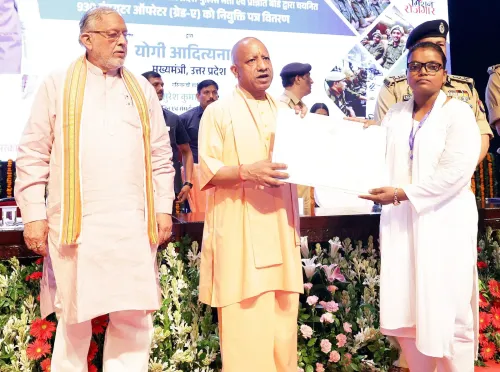
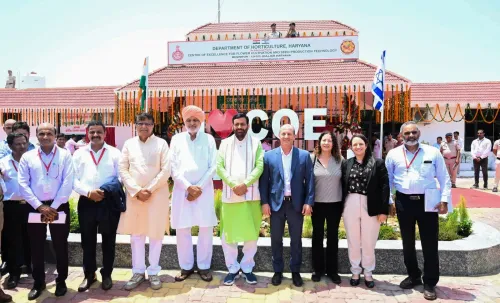
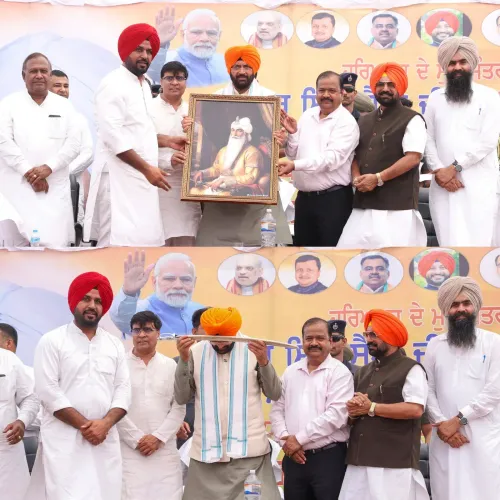
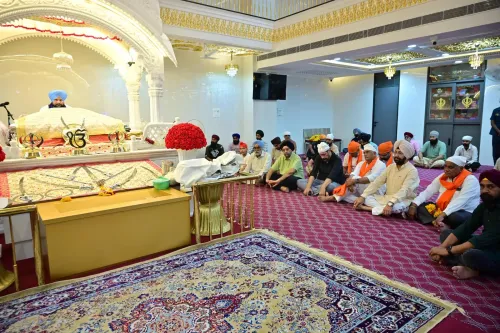
Puri shares infrastructure update on X
Synopsis
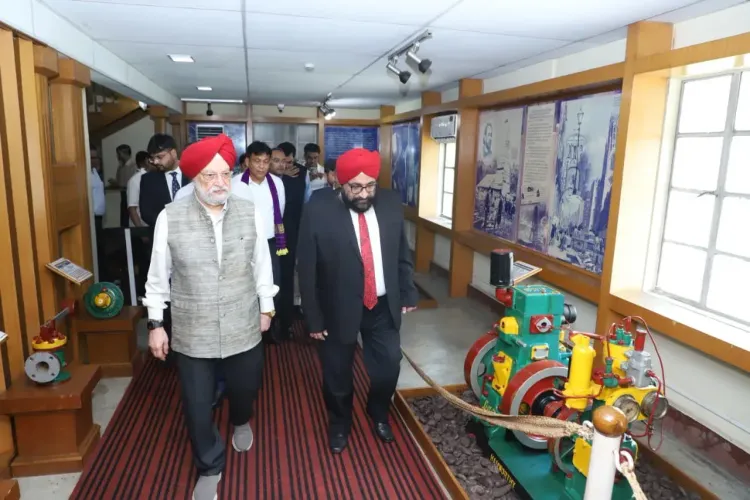
Union Petroleum Minister Hardeep Singh Puri shared a four-image post on X on 23 June 2026, signalling an infrastructure milestone in India's petroleum and natural gas sector. The post carries no text, but fits the Ministry's pattern of highlighting CGD network expansion and energy transition progress.
Key Takeaways
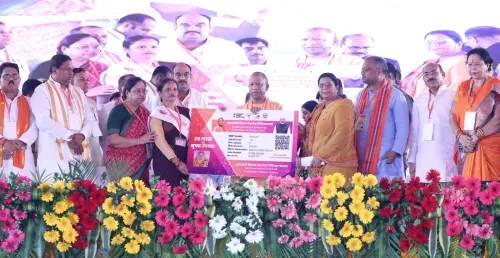
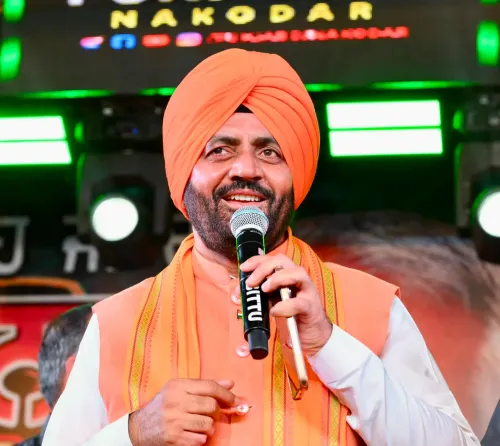
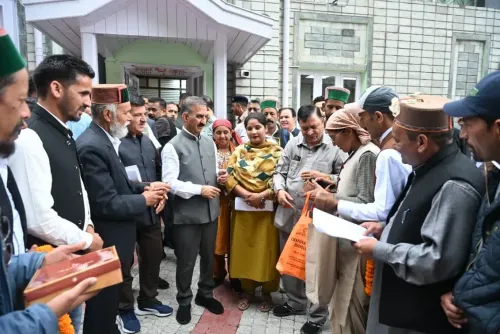
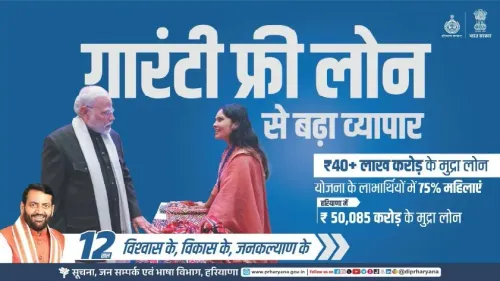
Union Petroleum Minister Hardeep Singh Puri posted four images on X on 23 June 2026 related to infrastructure in the petroleum sector.
The post contained no text; the specific project or milestone depicted could not be independently verified from the post alone.
The Petroleum Ministry has a consistent pattern of using social media to highlight progress on City Gas Distribution (CGD) networks, strategic petroleum reserves, and crude import diversification.
India aims to raise natural gas's share in its energy mix from around 6 per cent to 15 per cent by 2030 .
The Ethanol Blended Petrol (EBP) programme targets 20 per cent ethanol blending , requiring sustained infrastructure investment.
Formal project details are expected through official Ministry communications or press briefings following the post.
Union Petroleum Minister Hardeep Singh Puri took to X on Tuesday, 23 June 2026, sharing an image-based post related to infrastructure developments under the petroleum and natural gas sector, continuing the Ministry's practice of communicating policy progress directly through social media.
Context
The post, which carries four images and no accompanying text, is consistent with the Petroleum Ministry's pattern of visual updates on ground-level infrastructure milestones. Puri, a senior BJP leader and former career diplomat with extensive postings at the United Nations, has been an active communicator on energy policy through his official social media channels.
Without descriptive text or captions in the post itself, the precise subject of the images — whether city gas distribution networks, pipeline infrastructure, petroleum reserves, or another project — cannot be independently confirmed from the post alone.
Policy Backdrop
The Petroleum Ministry has in recent years overseen a wide portfolio of infrastructure initiatives. These include the expansion of City Gas Distribution (CGD) networks to bring piped natural gas (PNG) and compressed natural gas (CNG) to new geographical areas, as well as progress on strategic petroleum reserves and the diversification of crude import sources.
A broader long-term goal underpinning these efforts is raising the share of natural gas in India's energy mix from approximately 6 per cent toward 15 per cent by 2030. Separately, the government's Ethanol Blended Petrol (EBP) programme — anchored in the National Policy on Biofuels, 2018 — has set a target of 20 per cent ethanol blending by 2025, a goal that has required significant supply-chain and infrastructure investment.
Stakeholders and Impact
The primary stakeholders in petroleum-sector infrastructure development include oil marketing companies (OMCs), city gas distribution licensees, and end consumers relying on CNG and PNG connections. Expansion of this network directly affects household energy access and industrial fuel costs across urban and semi-urban India.
For the broader economy, infrastructure investment in the energy sector carries implications for employment generation, import substitution, and the country's commitments under its energy transition roadmap. Any new project milestones highlighted by the Ministry typically signal progress against targets set in successive CGD bidding rounds overseen by the Petroleum and Natural Gas Regulatory Board (PNGRB).
What's Next
Observers will watch for the next quarterly review of CGD bidding rounds and any capital-expenditure announcements tied to FY 2026-27 Union Budget allocations for the petroleum sector. Further clarification on the specific infrastructure highlighted in Puri's post is expected through official Ministry communications or press briefings in the coming days.
As the government pushes toward its 2030 natural gas share target, visual updates of this kind often precede formal announcements on project completion or new capacity additions — making the Ministry's follow-up communications worth tracking closely.
Point of View
A pattern common among senior ministers in the current administration. For Hardeep Singh Puri, whose portfolio sits at the intersection of energy security, climate transition, and consumer welfare, such posts serve as soft signals to industry stakeholders and investors. The timing — mid-year in FY 2026-27 — suggests the update may be tied to quarterly CGD rollout reviews or a project inauguration. Analysts will read the post as part of a longer arc in which the government seeks to demonstrate tangible progress on its 2030 natural gas target ahead of the next electoral cycle.
NationPress
22 Sept 2026
Frequently Asked Questions
What did Hardeep Singh Puri post on X on 23 June 2026?
Union Petroleum Minister Hardeep Singh Puri shared a post on X on 23 June 2026 containing four images related to infrastructure in the petroleum and natural gas sector. The post did not include any text describing the specific project or milestone shown.
What is India's natural gas target for 2030?
India aims to increase the share of natural gas in its overall energy mix from approximately 6 per cent to 15 per cent by 2030, a goal that requires large-scale expansion of city gas distribution networks and pipeline infrastructure.
What is the Ethanol Blended Petrol programme in India?
The Ethanol Blended Petrol (EBP) programme, anchored in India's National Policy on Biofuels 2018, targets 20 per cent ethanol blending in petrol. Achieving this requires significant investment in supply-chain and blending infrastructure across the country.
What is City Gas Distribution (CGD) in India?
City Gas Distribution refers to the network of pipelines and infrastructure that supplies piped natural gas (PNG) to homes and industries, and compressed natural gas (CNG) to vehicles, across licensed geographical areas in India. The Petroleum and Natural Gas Regulatory Board (PNGRB) oversees CGD bidding rounds to expand coverage.
Who is Hardeep Singh Puri?
Hardeep Singh Puri is India's Union Minister of Petroleum and Natural Gas, a senior BJP leader, and a former career diplomat who served at postings including the United Nations. He has been a prominent communicator on India's energy policy and infrastructure agenda.