Puri Reviews HSSC; 2.34 Lakh Trained for Energy Sector
Synopsis
Petroleum Minister Hardeep Singh Puri reviewed the Hydrocarbon Sector Skill Council on 17 July 2026, revealing it has trained over 2.34 lakh professionals through 78 qualification packs spanning upstream, downstream, green hydrogen, CBG, biofuels and rooftop solar — linking energy growth to youth employment.
Key Takeaways
Union Petroleum Minister Hardeep Singh Puri reviewed the HSSC and Skill Development Institutes on 17 July 2026 .
HSSC has trained and upskilled over 2.34 lakh professionals for India's energy sector since its inception.
78 qualification packs have been developed covering upstream, midstream, downstream, safety and energy transition segments.
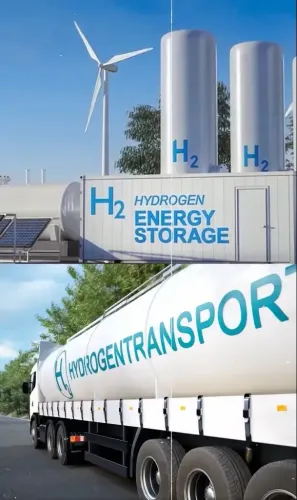
Energy-transition verticals covered include Green Hydrogen, Compressed Biogas (CBG), biofuels and rooftop solar .
The initiative operates under the Skill India Mission framework via the National Skill Development Corporation .
The minister linked India's growing energy sector to expanding direct and indirect employment opportunities for youth.
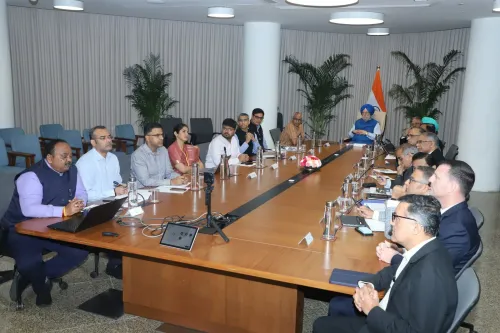
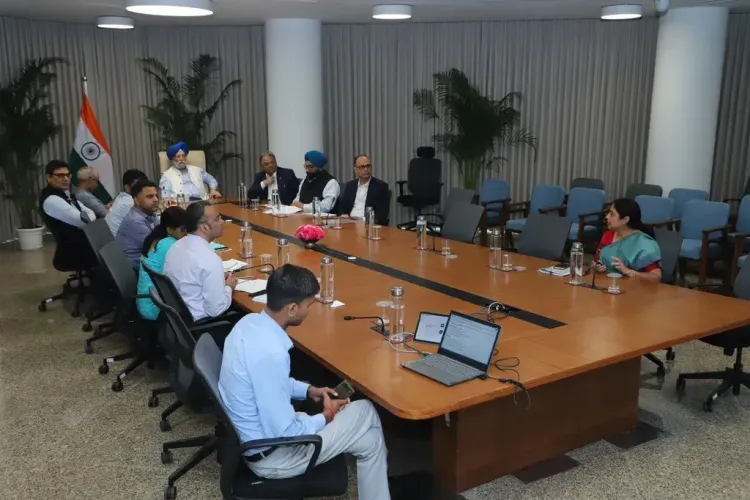
Union Petroleum Minister Hardeep Singh Puri on Friday, 17 July 2026, reviewed the functioning of the Hydrocarbon Sector Skill Council (HSSC) and the ministry's Skill Development Institutes, highlighting that the council has trained and upskilled over 2.34 lakh professionals for India's energy sector since its inception.
Context
Puri said the energy sector, growing under the leadership of Prime Minister Narendra Modi, will generate significant direct and indirect employment for India's youth. In his post, he stated: 'Since inception, HSSC has trained and upskilled over 2.34 lakh professionals for the energy sector with 78 qualification packs developed across upstream, midstream, downstream, safety and energy transition including Green Hydrogen, CBG, biofuels and rooftop solar.'
The review underscores the ministry's intent to align workforce readiness with the expanding footprint of India's hydrocarbon and clean-energy industries.
Policy Backdrop
The HSSC is affiliated with the National Skill Development Corporation (NSDC) and operates within the broader framework of the Skill India Mission, launched in July 2015 with a target to train 400 million people through sector skill councils. The National Policy on Skill Development and Entrepreneurship 2015 mandated industry-led bodies to develop qualification packs for priority sectors, including emerging energy technologies.
The inclusion of green hydrogen, Compressed Biogas (CBG), biofuels and rooftop solar in HSSC qualification packs reflects the government's push toward net-zero pathways under the National Green Hydrogen Mission, running alongside continued upstream and downstream hydrocarbon operations. This dual-track approach — skilling for both legacy fossil-fuel operations and new clean-energy verticals — is central to India's stated energy transition strategy.
Stakeholders and Impact
The primary beneficiaries of HSSC's programmes are young job-seekers and mid-career workers in petroleum clusters across India, as well as hydrocarbon industry employers who depend on certified domestic talent to reduce reliance on imported skilled manpower. The 78 qualification packs span the full value chain — from exploration and production in the upstream segment to refining, marketing and distribution in the downstream segment — as well as safety and the emerging energy-transition verticals.
For the broader economy, scaling certified technicians in green hydrogen and biofuels supports India's commitments under its Nationally Determined Contributions (NDCs) and the government's domestic energy security agenda.
What's Next
Attention will now turn to whether the ministry announces additional qualification packs aligned with National Green Hydrogen Mission targets and any dedicated budget allocations for Skill Development Institutes in petroleum clusters in the coming months. The pace at which HSSC expands its green-energy curriculum will be a key indicator of how quickly India's hydrocarbon workforce is being repositioned for the energy transition.
Point of View
CBG and rooftop solar alongside conventional hydrocarbon streams, the ministry is positioning itself ahead of potential criticism that fossil-fuel expansion crowds out climate commitments. The timing, mid-2026, aligns with expected policy reviews of the National Green Hydrogen Mission's first implementation phase, suggesting the ministry wants to demonstrate measurable skilling progress before those assessments conclude. The framing around youth employment also feeds into the broader BJP electoral narrative linking governance to job creation.
NationPress
16 Oct 2026
Frequently Asked Questions
What is the Hydrocarbon Sector Skill Council (HSSC)?
The HSSC is an industry-led, NSDC-affiliated body that develops qualification standards and delivers vocational training for India's oil, gas and energy sector workforce across upstream, midstream and downstream operations, as well as emerging clean-energy verticals.
How many people has HSSC trained so far?
According to Union Petroleum Minister Hardeep Singh Puri's statement on 17 July 2026, HSSC has trained and upskilled over 2.34 lakh professionals since its inception.
What does HSSC's training cover in terms of green energy?
HSSC qualification packs now include green hydrogen, Compressed Biogas (CBG), biofuels and rooftop solar, reflecting India's push toward an energy transition alongside conventional hydrocarbon operations.
What is the Skill India Mission and how does it relate to the petroleum sector?
The Skill India Mission, launched in July 2015, aims to provide vocational training across priority sectors through bodies like HSSC. The petroleum ministry's Skill Development Institutes work within this framework to certify energy-sector workers.
Why did Hardeep Singh Puri review HSSC in July 2026?
Puri reviewed HSSC's functioning to assess progress in training energy-sector professionals and to align skilling capacity with India's growing energy industry and employment generation goals for youth.