Puri Reviews India's Overseas Oil Portfolio Spanning 20+ Nations
Synopsis
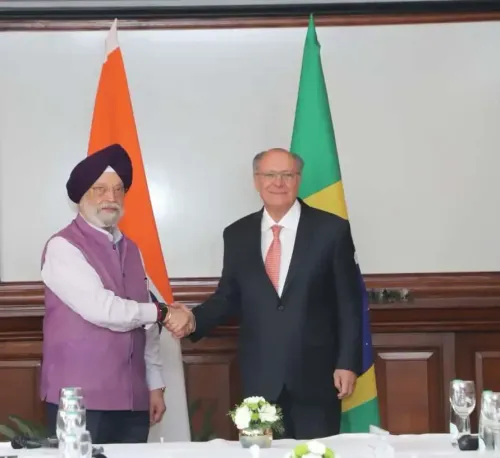
Union Petroleum Minister Hardeep Singh Puri on 17 July 2026 reviewed the overseas upstream E&P portfolios of five Indian energy PSUs — ONGC Videsh, IOCL, BPRL, OIL and GAIL — spanning 20-plus countries, with active assets in Mozambique, Brazil, UAE, Venezuela and Libya.
Key Takeaways
Union Petroleum Minister Hardeep Singh Puri reviewed India's overseas upstream E&P portfolio on 17 July 2026 .
Five PSUs — ONGC Videsh, IOCL, BPRL, OIL and GAIL — collectively operate in more than 20 countries across six regions.
Key active and development assets are located in Mozambique, Brazil, UAE, Venezuela and Libya .
Cumulative PSU investments in overseas assets run into billions of dollars , according to the minister.
India imports over 80 percent of its crude requirements, making overseas equity stakes central to energy security.
The review signals continued government intent to expand India's international upstream footprint under PM Narendra Modi .
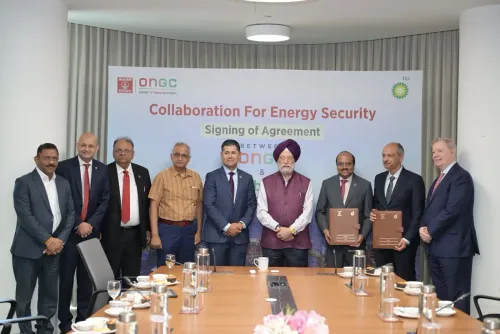
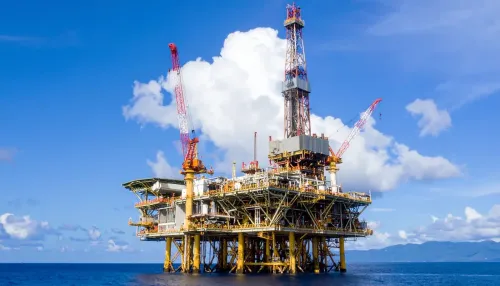
Union Petroleum Minister Hardeep Singh Puri on Friday, 17 July 2026, reviewed the overseas upstream exploration and production (E&P) portfolio of India's state-owned energy companies, reaffirming the country's strategy of securing long-term, diversified energy supplies through equity stakes and strategic partnerships across more than 20 countries.
Context
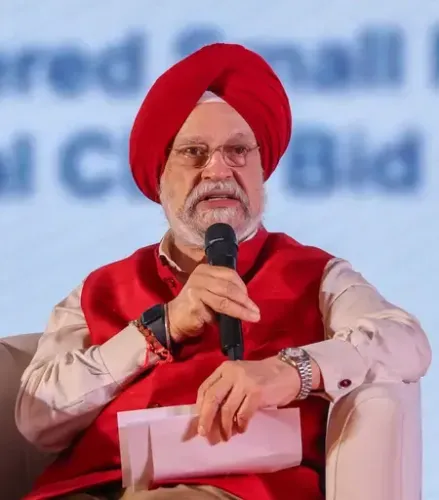
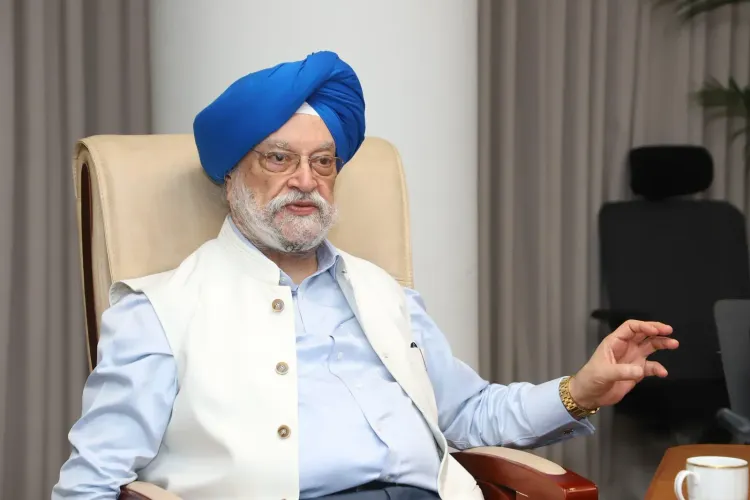
Posting on X, Minister Puri stated that India's energy public sector undertakings (PSUs) are 'pursuing global assets including equity oil, dividend models and strategic partnerships alike, to secure long-term, diversified energy supplies for the country.' The review covered the combined international footprint of ONGC Videsh, Indian Oil Corporation (IOCL), Bharat PetroResources Limited (BPRL), Oil India Limited (OIL), and GAIL (India) Limited.
Together, these entities hold equity in active producing assets and key development projects in countries including Mozambique, Brazil, UAE, Venezuela, and Libya, with the minister noting that 'cumulative investments running into billions of dollars' have been committed across these geographies.
Policy Backdrop
India's push for overseas equity oil dates to the early 2000s. ONGC Videsh acquired a stake in Russia's Sakhalin-I project in 2001, establishing the template for state-led international E&P investments. The Hydrocarbon Vision 2025 document, released in 2000, formally recommended that Indian PSUs pursue overseas opportunities to reduce the country's dependence on crude imports.
India currently imports over 80 percent of its crude oil requirements, making supply diversification a structural imperative. In 2016, India signed an MoU with Mozambique for development of the Rovuma LNG project, in which both ONGC Videsh and OIL hold stakes — one of the most significant African upstream commitments by Indian PSUs.
The geographic spread reviewed by the minister — spanning North America, Latin America, the CIS region, the Middle East, Africa, and Asia Pacific — mirrors strategies adopted by other large Asian importers competing for upstream acreage globally.
Stakeholders and Impact
The five PSUs under review collectively represent India's primary vehicle for acquiring 'equity barrels' — crude oil produced from assets in which Indian companies hold an ownership stake, as distinct from spot or term purchases on the open market. Equity oil provides a degree of price insulation and supply predictability that market purchases cannot guarantee.
For domestic crude importers and refiners, a robust overseas portfolio translates into greater negotiating leverage and supply chain resilience. IOCL and BPRL, in particular, complement their refining operations with upstream equity positions, creating an integrated supply model. GAIL's international stakes extend India's reach into LNG supply chains critical for the country's gas-based transition ambitions.
What's Next
The Petroleum Ministry is expected to conduct quarterly portfolio reviews of PSU overseas assets, with fresh bidding opportunities in Brazil's pre-salt rounds and UAE offshore blocks being closely watched by Indian energy planners. Minister Puri framed the review as 'a clear reaffirmation that India's energy security strategy extends confidently beyond our shores,' signalling continued government appetite for expanding the international upstream footprint.
As global energy markets remain volatile, India's ability to grow its equity oil base — and reduce reliance on price-exposed spot purchases — will be a key metric of the country's long-term energy security posture under the Modi government.
Point of View
Modi-era strategic doctrine rather than a legacy inheritance. By naming five PSUs and six global regions in a single post, Puri is consolidating a narrative of proactive energy diplomacy ahead of what could be a competitive bidding cycle in Brazil and the UAE. The equity-oil model has bipartisan roots going back to the early 2000s, but the current government is clearly invested in claiming ownership of its expansion. Crucially, the absence of specific production or revenue figures keeps the communication aspirational — the harder test will come when quarterly reviews translate into verifiable new acreage wins.
NationPress
17 Jul 2026
Frequently Asked Questions
Which Indian PSUs hold overseas oil and gas assets?
Five Indian public sector undertakings — ONGC Videsh, Indian Oil Corporation (IOCL), Bharat PetroResources Limited (BPRL), Oil India Limited (OIL), and GAIL (India) Limited — hold equity stakes in upstream oil and gas assets across more than 20 countries.
What is equity oil and why does India pursue it?
Equity oil refers to crude produced from assets in which a company holds an ownership stake, as opposed to oil purchased on the open market. India pursues equity oil to reduce price exposure and improve long-term supply security, given that the country imports over 80 percent of its crude requirements.
Where are India's major overseas oil investments located?
India's energy PSUs hold active producing assets and key development projects in Mozambique, Brazil, UAE, Venezuela and Libya, among other countries spanning North America, Latin America, the CIS region, the Middle East, Africa and Asia Pacific.
What is ONGC Videsh and what does it do?
ONGC Videsh is the wholly-owned international subsidiary of ONGC, India's largest state-owned oil company. It manages India's overseas exploration and production investments and has been active globally since acquiring a stake in Russia's Sakhalin-I project in 2001.
What did Hardeep Singh Puri announce about India's energy policy in July 2026?
On 17 July 2026, Petroleum Minister Hardeep Singh Puri reviewed the overseas upstream E&P portfolios of India's five energy PSUs and stated that their combined footprint across 20-plus countries, with cumulative investments in the billions of dollars, reaffirms that India's energy security strategy 'extends confidently beyond our shores.'