Puri visits Oil India's AI-VR centre Kalpalok in Duliajan
Synopsis
Union Petroleum Minister Hardeep Singh Puri visited Oil India Limited's AI and VR-powered Kalpalok centre in Duliajan, Assam, on 21 June 2026, calling it a critical tool for boosting domestic hydrocarbon production and advancing India's energy security goals under PM Modi.
Key Takeaways
Hardeep Singh Puri visited Kalpalok , Oil India Limited's Virtual Reality Centre in Duliajan, Assam , on 21 June 2026 .
Kalpalok uses advanced AI and digital technologies to generate 3D computer-simulated subsurface environments for geological and reservoir analysis.
The centre integrates geological, geophysical, and reservoir datasets, offering superior interpretation compared to conventional 2D seismic techniques .
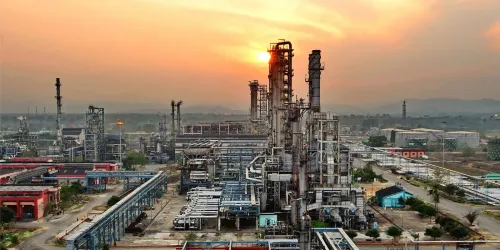
Oil India Limited is a Navratna PSU headquartered in Duliajan with major exploration fields across the Assam-Arakan basin .
India's crude oil import dependence remains above 80 per cent , making domestic production enhancement a key national priority.
The initiative aligns with the Hydrocarbon Exploration and Licensing Policy (HELP, 2016) and the Hydrocarbon Vision 2030 for Northeast India .
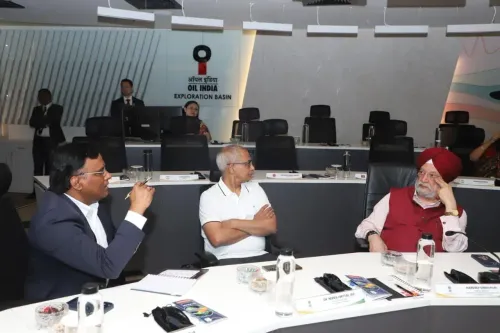
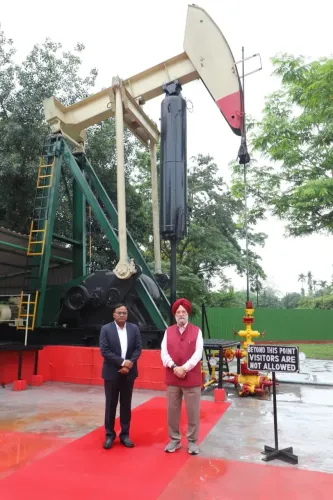
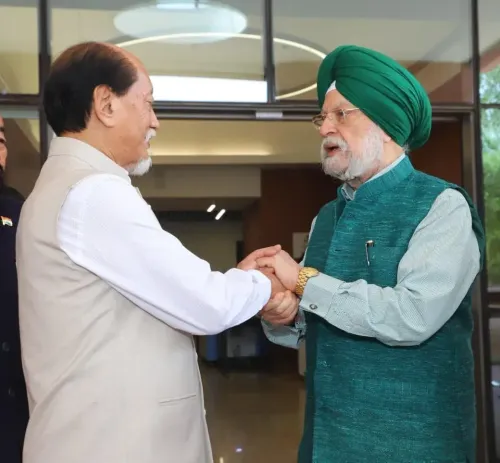
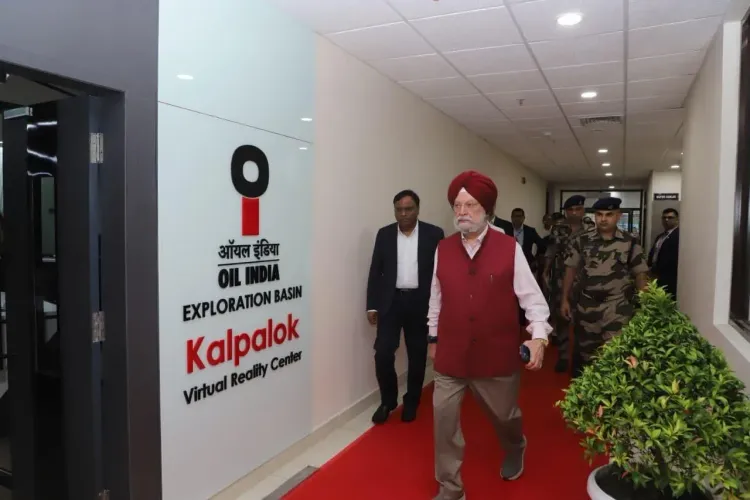
Union Petroleum Minister Hardeep Singh Puri visited Kalpalok, the Virtual Reality Centre of Oil India Limited (OIL) in Duliajan, Assam, on Sunday, 21 June 2026, describing the facility as a state-of-the-art hub that harnesses advanced AI and digital technologies to analyse complex subsurface data in three dimensions.
Context
Kalpalok functions as a critical research, development, and analytical centre at OIL's operational headquarters in Duliajan, a town in upper Assam that has anchored the company's exploration activities since the 1960s. The centre generates a computer-simulated 3D environment that mimics subsurface reality, enabling geoscientists to visualise and interpret reservoir structures far more precisely than conventional 2D seismic techniques allow.
Minister Puri noted that integrating geological, geophysical, and reservoir datasets into interactive 3D spaces allows OIL to 'comprehend intricate subsurface structures far more effectively than conventional 2D interpretation techniques.' The immersive environment is designed to sharpen exploration decisions and improve hydrocarbon recovery rates from existing and prospective fields.
Policy Backdrop
The visit fits within a broader government push to deploy digital tools across India's upstream oil and gas sector. India's import dependence for crude oil remains above 80 per cent, making domestic production enhancement a strategic priority. The Hydrocarbon Exploration and Licensing Policy (HELP), introduced in 2016, was specifically designed to accelerate exploration using new technologies and a more investor-friendly revenue model.
The northeast's Assam-Arakan basin, operated primarily by OIL and ONGC, has been identified under the Hydrocarbon Vision 2030 for Northeast India for targeted technology infusion to revive mature fields and discover new reserves. The establishment of a National Data Repository in 2013 to consolidate seismic and well data laid the digital foundation that facilities like Kalpalok now build upon.
Puri linked the initiative directly to national energy policy, stating that 'judicious and intensive use of such cutting-edge AI solutions and advanced technologies will provide momentum to India's efforts to increase the domestic production of hydrocarbons' under the leadership of Prime Minister Narendra Modi.
Stakeholders and Impact
Oil India Limited, a Navratna public sector undertaking, is the principal beneficiary of Kalpalok's capabilities. The facility is expected to sharpen the company's ability to locate new reserves and optimise production from its legacy Assam fields, which have been in operation for decades and face natural output decline.
The broader Assam oil economy—which supports thousands of direct and ancillary jobs in the Dibrugarh-Duliajan belt—stands to gain if improved subsurface analytics translate into new drilling targets and sustained production. State-level stakeholders, including the Assam government, have a direct interest in royalty revenues tied to OIL's output.
What's Next
Analysts tracking the upstream sector will watch whether ONGC and other public sector explorers replicate similar VR and AI-enabled interpretation centres in other sedimentary basins across India. The government's next economic survey is also expected to carry updated domestic crude production figures that will indicate whether technology adoption is translating into measurable output gains.
Minister Puri's visit signals continued ministerial attention to the northeast's hydrocarbon assets at a time when India is actively working to reduce its dependence on imported crude — a goal that will require both new discoveries and smarter extraction from existing fields.
Point of View
The minister reinforces a familiar pattern of linking PSU technology upgrades to the broader 'Viksit Bharat' narrative. The northeast angle is also deliberate: Assam's oil economy has been a recurring BJP talking point, and ministerial visits to OIL's Duliajan base serve dual purposes of policy oversight and regional outreach. Whether Kalpalok's analytical edge translates into measurable production gains will be the harder test that follows the optics.
NationPress
21 Jun 2026
Frequently Asked Questions
What is Kalpalok at Oil India Limited?
Kalpalok is Oil India Limited's Virtual Reality Centre located in Duliajan, Assam. It uses AI and digital technologies to create 3D computer-simulated subsurface environments, helping geoscientists analyse complex geological and reservoir data more effectively than traditional 2D methods.
Why did Hardeep Singh Puri visit Duliajan in June 2026?
Union Petroleum Minister Hardeep Singh Puri visited Duliajan on 21 June 2026 to inspect Oil India Limited's Kalpalok VR centre, highlighting the government's focus on using advanced AI and digital tools to boost domestic hydrocarbon production and reduce India's dependence on imported crude.
What is Oil India Limited and where is it headquartered?
Oil India Limited is a Navratna public sector undertaking focused on hydrocarbon exploration and production. It is headquartered in Duliajan, Assam, and has operated fields in the Assam-Arakan basin since the 1960s.
How does VR technology help in oil and gas exploration?
Virtual Reality technology in oil exploration creates immersive 3D simulations of subsurface structures by integrating geological, geophysical, and reservoir datasets. This allows geoscientists to visualise and interpret underground formations far more accurately than conventional 2D seismic analysis.
What is India's crude oil import dependence?
India imports more than 80 per cent of its crude oil requirements, making domestic production enhancement a key strategic and economic priority for successive governments. Initiatives like Kalpalok aim to improve exploration success rates and raise recovery from existing fields.