Rahul Gandhi Raises Paper Leak Grief, Calls for System Overhaul
Synopsis
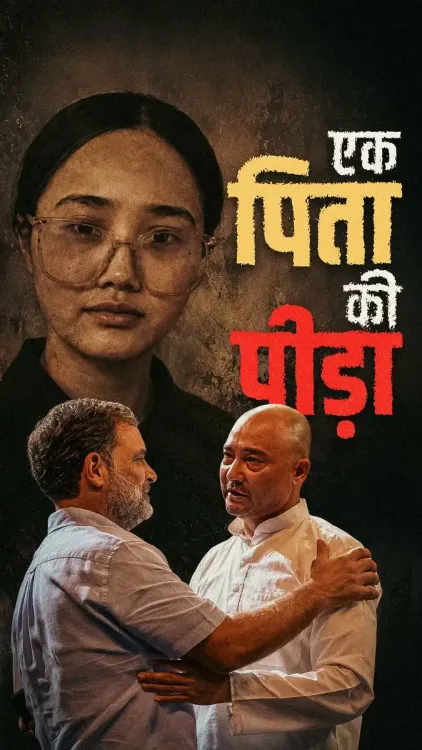
Congress leader Rahul Gandhi on 18 July 2026 shared a post centring the grief of a father who lost his daughter to the fallout of exam paper leaks, calling it a collective national wound and demanding that India's examination system be rebuilt from the ground up.
Key Takeaways
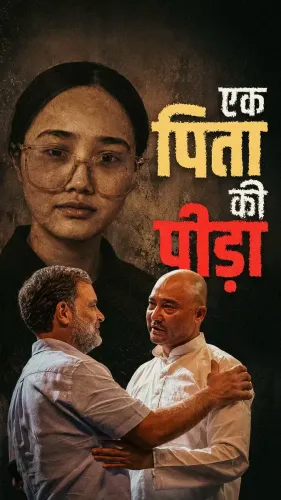
Rahul Gandhi posted on 18 July 2026 invoking the grief of a bereaved father, Rajesh ji , whose daughter Riya died in the context of paper leak distress.
Gandhi called paper leaks a crisis affecting many families , not a single household's tragedy.
He demanded the examination system be 'built anew' — signalling a call for structural overhaul, not minor reforms.
The post comes against the backdrop of the NEET-UG 2024 controversy, which exposed serious vulnerabilities in India's centralised testing architecture.
The National Testing Agency (NTA) and broader examination governance remain under sustained political and public scrutiny.
The incident underscores how competitive exam failures disproportionately devastate aspirants and parents from economically vulnerable backgrounds.
Congress leader Rahul Gandhi on Saturday, 18 July 2026, shared an emotionally charged post on X invoking the grief of a father who lost his daughter, calling the pain of exam paper leaks a collective national tragedy and demanding a complete rebuilding of India's examination system.
Context
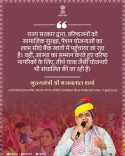
In his Hindi-language post, Gandhi described the anguish of a father identified as Rajesh ji, whose daughter Riya died — a grief so visible, he wrote, that 'har shaks ki aankhen bhar aayin' (every onlooker's eyes welled up). He framed the loss not as an isolated family tragedy but as a wound inflicted on countless families by paper leaks in competitive examinations. 'Behind every name there is a mother, a father — for whom there is no tomorrow now,' Gandhi wrote.
The post ends with a call to action: 'Is system ko naye sire se banana' — 'This system must be built anew.' The post included a video, amplifying the emotional weight of the message.
Policy Backdrop
India's centralised examination architecture has faced repeated allegations of question-paper leaks over the years. The most prominent recent episode involved the NEET-UG 2024 examination, which triggered nationwide student protests and sharp criticism of the National Testing Agency (NTA), the body that administers major entrance tests including those for medical and engineering colleges.
Opposition parties, including the Indian National Congress, argued at the time that the irregularities were symptomatic of deeper institutional failure — not a one-off lapse. Parliamentary debates on examination reform and NTA restructuring followed, though critics contend that structural changes have remained inadequate.
Stakeholders and Impact
The primary victims of paper leaks are exam aspirants — many from modest economic backgrounds who invest years of preparation and family savings into a single high-stakes test. When examinations are compromised, re-tests or cancellations can delay admissions by months, disrupting academic calendars and causing acute psychological distress.
Parents, particularly from rural and semi-urban households, bear the compounded burden of financial loss and emotional trauma. Gandhi's post deliberately centres this parental grief, seeking to humanise a policy debate that often stays in the realm of institutional statistics and committee reports.
What's Next
Gandhi's demand for a systemic overhaul — rather than incremental fixes — puts pressure on the government to articulate a comprehensive response on examination integrity. Parliamentary sessions and any fresh investigative findings on testing-body functioning are likely to become flashpoints. With competitive examinations governing access to medical, engineering, and civil-service careers for millions of young Indians, the political and policy stakes around reform remain high.
Point of View
He attempts to sustain public outrage beyond the immediate news cycle of any single paper leak episode. The demand to 'rebuild the system' echoes opposition positioning since the NEET-UG 2024 crisis, signalling that the Congress intends to carry examination integrity as a sustained electoral and parliamentary issue. Whether the government responds with structural reform or incremental measures will determine how much political traction this narrative gains.
NationPress
18 Jul 2026
Frequently Asked Questions
What did Rahul Gandhi say about the paper leak issue on 18 July 2026?
Rahul Gandhi posted on X invoking the grief of a father, Rajesh ji, who lost his daughter Riya, and called paper leaks a tragedy affecting many families. He demanded that India's examination system be rebuilt from scratch.
Who is Riya mentioned in Rahul Gandhi's post?
Gandhi's post refers to a girl named Riya whose father Rajesh ji was visibly devastated by her loss. The post frames her death as connected to the trauma caused by paper leaks in competitive examinations, though specific details have not been independently verified.
What is the NEET paper leak controversy?
The NEET-UG 2024 examination faced widespread allegations of question-paper leaks, triggering student protests across India and demands for accountability from the National Testing Agency. It became a major political and policy flashpoint regarding the integrity of India's centralised exam system.
What is Rahul Gandhi's demand regarding the examination system?
Gandhi has called for the examination system to be 'built anew' — a demand for comprehensive structural reform of India's centralised testing architecture, going beyond isolated fixes to address what he describes as systemic failure.
What is the National Testing Agency and why is it under scrutiny?
The National Testing Agency is the central body that conducts major entrance examinations in India, including NEET-UG for medical admissions and JEE for engineering. It has faced repeated allegations of paper leaks and administrative lapses, prompting calls from opposition parties and students for institutional restructuring.