Rajasthan CM Office: 838 Plots, 106 Flats for Nomadic Families
Synopsis
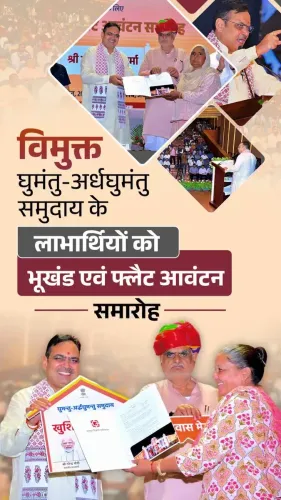
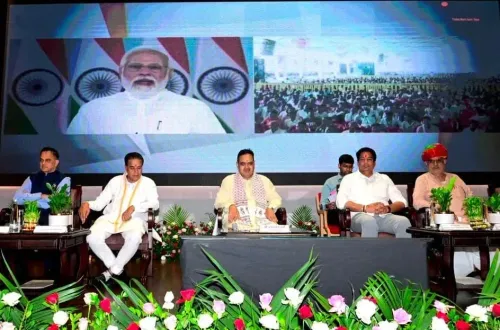
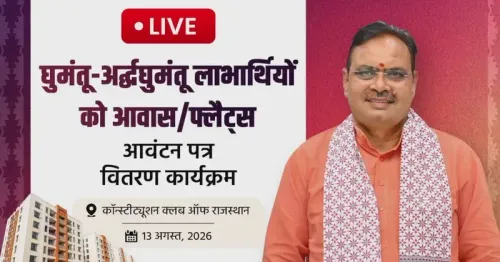
The Rajasthan government has allotted 838 urban plots and 106 flats to families from nomadic, semi-nomadic, Gadia Lohar, and Kalbelia communities, the Chief Minister's Office announced on 13 August 2026, marking a cumulative milestone in the state's urban settlement drive for denotified and nomadic tribes.
Key Takeaways
The Rajasthan government has allotted 838 plots and 106 flats in urban areas to nomadic and semi-nomadic communities.
Beneficiary groups include the Ghumantu , Ardhghumantu , Gadia Lohar , and Kalbelia communities.
The announcement was made by the Chief Minister's Office on 13 August 2026 , tagging CM Bhajanlal Sharma .
These communities fall under the Denotified, Nomadic, and Semi-Nomadic Tribes (DNT) category, historically excluded from formal land records.
A formal urban address unlocks access to ration cards, banking, healthcare, and education for beneficiary families.
Occupancy rates and infrastructure delivery to allotted units remain the key metrics to watch going forward.
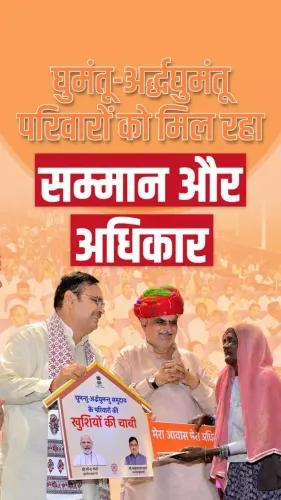
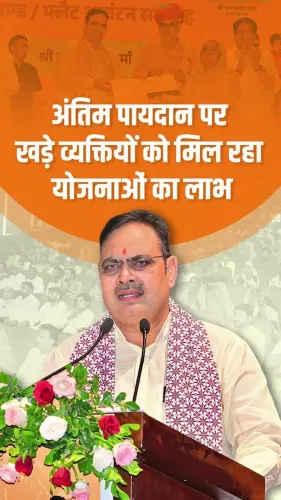
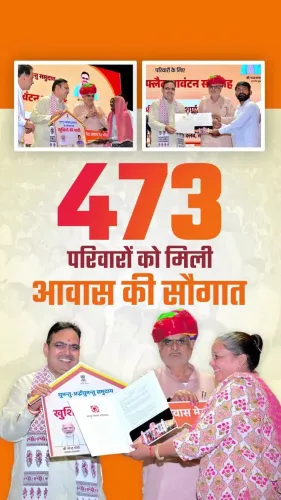
For communities that have lived without fixed addresses for generations, a land title is not just a document — it is a doorway. The Chief Minister's Office of Rajasthan announced on Thursday, 13 August 2026 that the state government has allotted 838 plots and 106 flats in urban areas to families from the Ghumantu (nomadic), Ardhghumantu (semi-nomadic), Gadia Lohar, and Kalbelia communities.
The post, shared on the official @RajCMO handle and tagging Chief Minister Bhajanlal Sharma, carries the hashtag #AapnoAgraniRajasthan ('Our Leading Rajasthan') — the BJP government's signature campaign frame for its welfare outreach.
Who the Gadia Lohar and Kalbelia Are — and Why This Matters
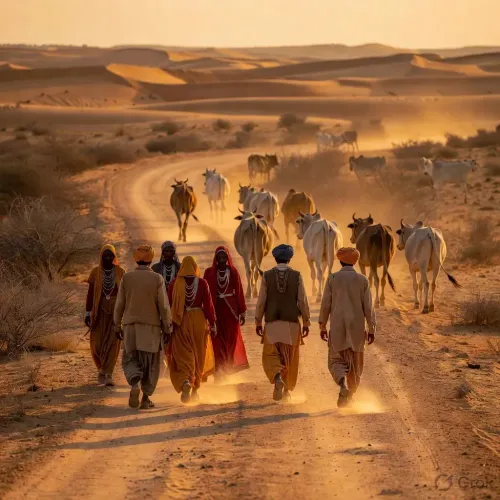
The Gadia Lohar are a traditionally itinerant blacksmith community, historically associated with a vow to remain mobile until the return of Chittorgarh — a pledge that kept generations on the road. The Kalbelia, known globally for their serpent-dance tradition and recognised by UNESCO, have similarly lived on the margins of settled urban life. Both communities, along with other nomadic and semi-nomadic groups, fall under the broader category of Denotified, Nomadic, and Semi-Nomadic Tribes (DNTs) — a classification that carries a specific vulnerability: generations without land records, making access to schools, ration cards, bank accounts, and healthcare structurally difficult. Settling these families in urban areas with formal plot or flat allotments directly addresses that documentation gap. A registered address unlocks the full stack of welfare entitlements.Rajasthan's Long Record on Nomadic Settlement
Targeted housing drives for these communities are not new to Rajasthan. Successive state governments — across party lines — have periodically run allotment programmes for Gadia Lohar and Kalbelia families, recognising both their cultural significance and their administrative invisibility. What the current BJP administration under Chief Minister Bhajanlal Sharma, in office since December 2023, is doing is continuing and reporting incremental progress on that architecture. The combined figure of 944 housing units (838 plots plus 106 flats) represents the cumulative allotment tally the government is now publicising — a signal that the administration wants this welfare delivery visible ahead of continued governance milestones.What Comes Next for Beneficiary Families
Allotment is step one. The sharper questions — whether beneficiaries have taken physical possession, whether basic infrastructure like water and electricity has followed the paperwork, and whether occupancy rates hold — will define whether these numbers translate into lived change. The government's own progress framing suggests quarterly reporting on such allotments will continue, making each update a checkpoint on delivery, not just announcement.Point of View
However, is post-allotment: whether infrastructure, legal possession, and services follow the plot numbers. If they do, it is genuine inclusion; if they do not, the announcement risks becoming a recurring statistic without proportionate change on the ground.
NationPress
14 Aug 2026
Frequently Asked Questions
How many plots and flats has the Rajasthan government allotted to nomadic communities?
The Rajasthan government has allotted 838 plots and 106 flats in urban areas to families from nomadic, semi-nomadic, Gadia Lohar, and Kalbelia communities, as announced on 13 August 2026.
Who are the Gadia Lohar and why are they given urban land in Rajasthan?
The Gadia Lohar are a traditionally itinerant blacksmith community in Rajasthan who historically lived a nomadic life. They fall under the Denotified, Nomadic, and Semi-Nomadic Tribes category, and urban land allotment gives them a formal address that unlocks access to government welfare services.
Who is the Chief Minister of Rajasthan in 2026?
Bhajanlal Sharma of the Bharatiya Janata Party is the Chief Minister of Rajasthan, having taken office in December 2023 .
What is the Kalbelia community known for?
The Kalbelia are a semi-nomadic community from Rajasthan renowned for their serpent-dance tradition, which is recognised by UNESCO as an Intangible Cultural Heritage.
What does a formal urban plot allotment mean for nomadic families in Rajasthan?
A registered urban address allows nomadic families to access ration cards, bank accounts, school enrolments, and healthcare — services that require proof of a fixed residence and have historically been out of reach for mobile communities.