Rajasthan monsoon 2025: Orange alert in 4 districts as heavy rain lashes state
Synopsis
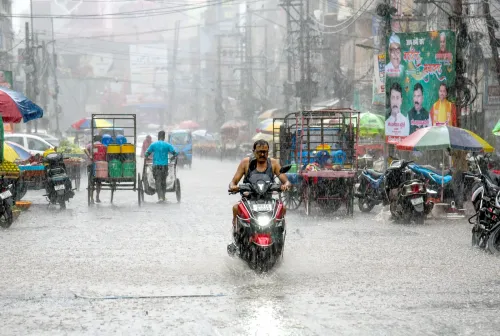
Rajasthan's monsoon roared back on 22 July with 130 mm of rain at a single station in Baran, rivers breaching banks, a dam gate opening, and temperatures crashing by up to 9 degrees — all in 24 hours. With the IMD keeping active conditions in place through 25 July, the state's most intense monsoon stretch of the season may not be over yet.
Key Takeaways
The IMD issued an orange alert for 4 districts and a yellow alert for the rest of Rajasthan on 22 July .
Chhipabarod (Baran) recorded the highest rainfall in 24 hours at 130 mm ; Sultanpur (Kota) followed at 101 mm .
Authorities opened one gate of the Kalisindh Dam by 0.10 metres , releasing approximately 426 cusecs of water.
The Parvan River in Manoharthana (Jhalawar) rose nearly 3 feet , submerging a bridge and part of a temple.
Maximum temperatures dropped 4 to 9 degrees Celsius across major cities; no location crossed 40°C for the first time in nearly two weeks .
Active monsoon conditions are forecast to continue across Rajasthan until 25 July .
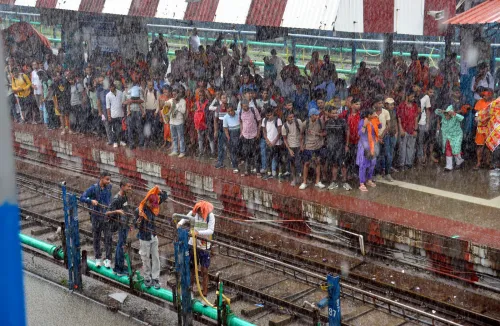
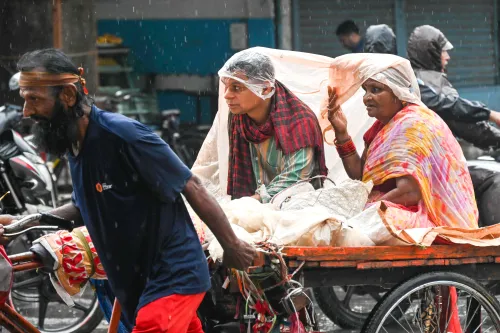
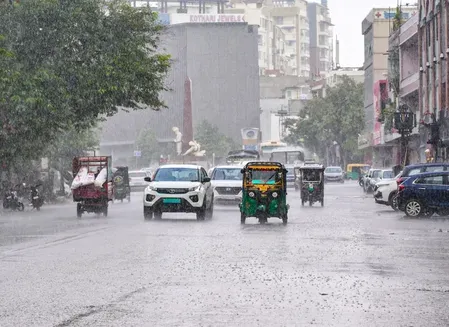
The southwest monsoon regained full force across Rajasthan on Wednesday, 22 July, triggering widespread heavy rainfall, overflowing rivers, and a sharp drop in temperatures after a weather system formed over the Bay of Bengal. The India Meteorological Department (IMD) issued an orange alert for four districts and a yellow alert for the rest of the state, with active monsoon conditions forecast to persist until 25 July.
Rainfall Records and Worst-Hit Areas
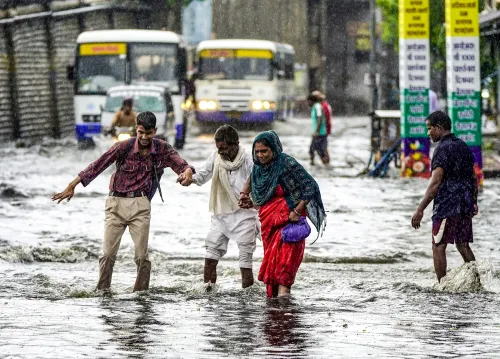
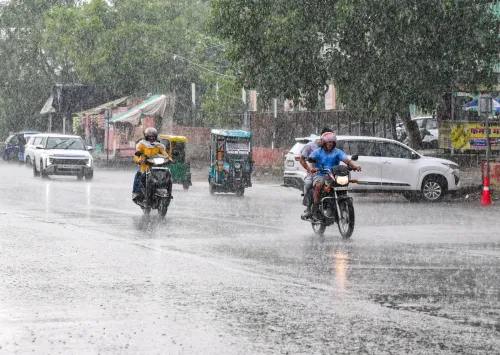
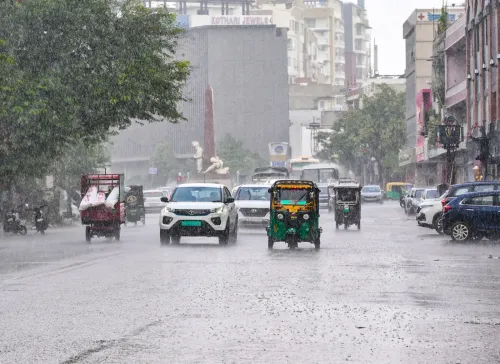
The highest single-point rainfall in the past 24 hours was recorded at Chhipabarod in Baran district at 130 mm, followed by 101 mm at Sultanpur in Kota. Kota and Baran together received more than five inches of rain, causing rivers to overflow and widespread waterlogging. Heavy showers were also reported from Hanumangarh, Bundi, Alwar, Karauli, Jhunjhunu, and Sawai Madhopur, while light to moderate rainfall occurred in Dausa, Jhalawar, Tonk, Nagaur, Udaipur, Churu, Sri Ganganagar, and Bharatpur.
Udaipur recorded its heaviest rainfall spell of the current monsoon season — nearly an hour of intense downpour early Wednesday morning — which significantly cooled the city and drew visitors back to popular tourist destinations once the rain eased.
Waterlogging and Disruptions in Ajmer
In Ajmer, heavy rainfall measuring 39.4 mm (1.5 inches) over 24 hours caused waterlogging across several localities, disrupting traffic and leaving vehicles stranded. On Taragarh Road in Subhash Nagar, an overflowing under-construction drain spilled onto the road. A two-wheeler rider fell into a pothole filled with rainwater and was rescued by local residents. The rainfall helped narrow the district's seasonal deficit while making conditions considerably cooler.
Rivers Swell, Kalisindh Dam Gate Opened
Continuous rainfall across the Hadoti region caused the Parvan and Kalisindh rivers to swell. In Manoharthana (Jhalawar), the Parvan River rose nearly 3 feet, submerging a small bridge and part of a temple. With rising inflows from Madhya Pradesh, authorities opened one gate of the Kalisindh Dam by approximately 0.10 metres, releasing close to 426 cusecs of water.
Temperature Relief Across the State
The widespread rainfall delivered significant relief from heat and humidity. Maximum temperatures fell by 4 to 9 degrees Celsius in cities including Jaipur, Alwar, Pilani, Sikar, Ajmer, Churu, and Sri Ganganagar. Notably, for the first time in nearly two weeks, no location in Rajasthan recorded a maximum temperature above 40 degrees Celsius — even as Jaisalmer remained the state's hottest city at 39.6 degrees Celsius.
What to Expect Next
The Meteorological Centre, Jaipur, has forecast that the monsoon will remain active across Rajasthan through 25 July, with heavy rainfall likely in many districts. Residents in low-lying areas near swollen rivers and districts under orange alert have been urged to remain cautious. The IMD's alerts signal that the season's most intense phase may still be ahead for parts of the state.
Point of View
The submerged bridge in Jhalawar, and the dam gate opening at Kalisindh all point to the same structural gap: drainage and flood-management capacity has not kept pace with the intensity of modern monsoon events. The temperature relief is real and welcome, but the state's vulnerability to flash flooding in the Hadoti region deserves more than seasonal alerts — it requires year-round preparedness investment.
NationPress
21 Oct 2026
Frequently Asked Questions
Why has the IMD issued an orange alert for Rajasthan on 22 July?
The IMD issued an orange alert for four Rajasthan districts on 22 July because the southwest monsoon regained strength following the formation of a weather system over the Bay of Bengal, triggering heavy to very heavy rainfall across the state. An orange alert signals that authorities should be prepared to act, as conditions can cause disruption and localised damage.
Which area recorded the highest rainfall in Rajasthan on 22 July?
Chhipabarod in Baran district recorded the highest rainfall in the past 24 hours at 130 mm, according to the IMD. Sultanpur in Kota followed with 101 mm.
Why was the Kalisindh Dam gate opened?
Authorities opened one gate of the Kalisindh Dam by approximately 0.10 metres to release around 426 cusecs of water as inflows from Madhya Pradesh increased due to heavy upstream rainfall. The Kalisindh and Parvan rivers had already swollen, with the Parvan rising nearly 3 feet in Manoharthana, Jhalawar.
How long will heavy rain continue in Rajasthan?
The Meteorological Centre, Jaipur, has forecast that the monsoon will remain active across Rajasthan until 25 July, with heavy rainfall likely in many districts during this period.
How much did temperatures fall in Rajasthan after the monsoon rains?
Maximum temperatures dropped by 4 to 9 degrees Celsius in cities including Jaipur, Alwar, Pilani, Sikar, Ajmer, Churu, and Sri Ganganagar. For the first time in nearly two weeks, no location in Rajasthan recorded a maximum temperature above 40 degrees Celsius, even as Jaisalmer remained the hottest city at 39.6 degrees Celsius.