Rajasthan tops PM-KUSUM with 5.57 GW solar, 3.78 lakh farmers benefit
Synopsis
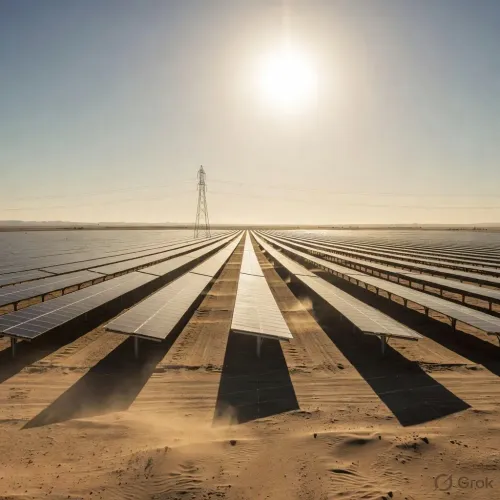
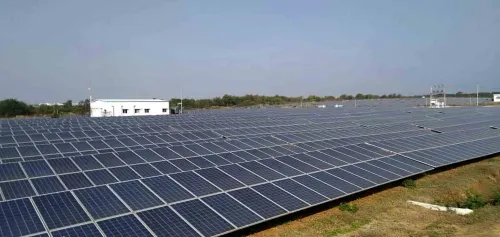
Rajasthan has claimed the top spot in India under PM-KUSUM, with 5.57 GW of decentralised solar capacity and over 3.78 lakh farmers enrolled. In just 34 months, the BJP government added 28,303 MW of solar — nearly double what the previous Congress administration managed in five years — while flipping both major DISCOMs into profit.
Key Takeaways
Rajasthan leads all Indian states under the PM-KUSUM scheme with 5.57 GW of decentralised solar capacity installed.
More than 3.78 lakh farmers have benefited from the PM-KUSUM initiative in the state.
Solar generation capacity rose by 28,303 MW in 34 months under the BJP government, against 14,878 MW over the previous Congress government's full five-year term.
Ajmer DISCOM posted a profit of ₹825 crore and Jaipur DISCOM ₹931 crore in 2023–24 .
The state added two 400 kV , nine 220 kV , and 51 132 kV substations in 34 months — surpassing Congress's five-year substation record.
Total power generation capacity for state use grew by 10,920 MW in the current government's first 34 months .
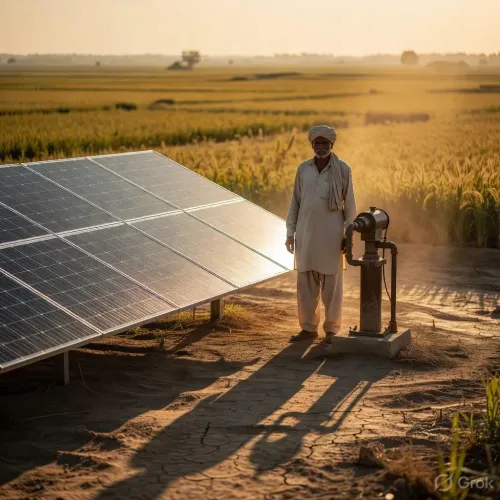
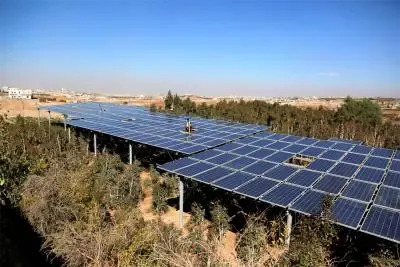
Rajasthan has become the country's top-performing state under the PM-KUSUM scheme, with 5.57 GW of decentralised solar energy capacity installed and more than 3.78 lakh farmers benefiting from the initiative, state officials confirmed on Friday, 23 October 2026. The milestone positions Rajasthan ahead of every other state in the country on the Union government's flagship farm-solar programme.
Solar Expansion Under the BJP Government
Over the past 34 months of the current Bharatiya Janata Party (BJP) government's tenure, Rajasthan's solar power generation capacity has risen by 28,303 MW. By contrast, the previous Indian National Congress (INC) government added 3,985 MW during its first 34 months and 14,878 MW across its entire five-year term, according to state officials.
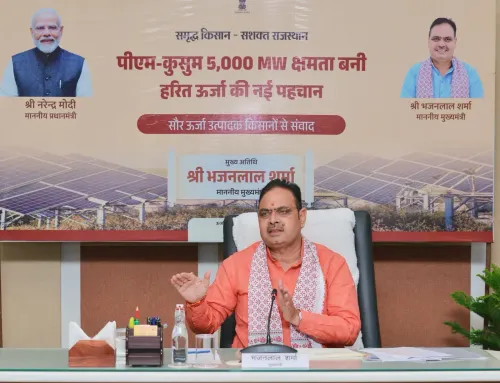
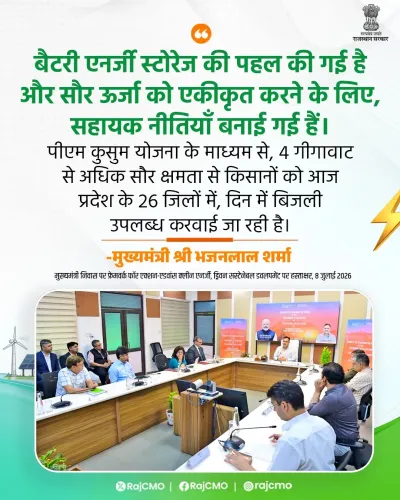
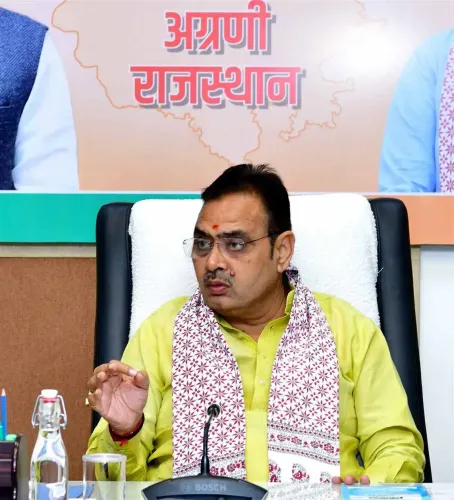
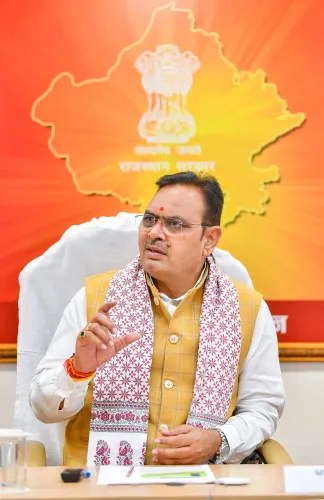
Chief Minister Bhajanlal Sharma said the record growth in power generation and solar energy capacity reflected the successful implementation of the state government's policies. He noted that farmers in 26 districts are now receiving electricity during two designated daytime slots, while quality power supply is being ensured across the state, including in remote villages and hamlets.
Overall Power Generation Capacity Jump
Beyond solar, the state has recorded an increase of 10,920 MW in total power generation capacity for state use over the past 34 months. The previous Congress government added 3,958 MW during its entire five-year tenure — meaning the current administration's addition is nearly 2.75 times that total, and more than five times what Congress achieved in its own first 34 months, officials claimed.
Chief Minister Sharma alleged that the power sector had suffered from mismanagement under the previous government, with distribution companies burdened by debt and consumers struggling to access reliable electricity. The Congress government has not responded publicly to these comparisons.
DISCOM Turnaround and Financial Health
The financial position of the state's power distribution companies has also improved, according to officials. Ajmer DISCOM posted a profit of ₹825 crore in the 2023–24 financial year, while Jaipur DISCOM reported a profit of ₹931 crore in the same period — a turnaround the government attributes to policy discipline and improved revenue collection.
Transmission Network Strengthened
Alongside generation and solar capacity, the state is expanding its transmission network. During the current government's 34-month tenure, two 400 kV grid substations, nine 220 kV substations, and 51 132 kV substations have been established. In comparison, the previous Congress government set up one 400 kV substation, five 220 kV substations, and 38 132 kV substations across its full five-year term.
The current government has also established 532 substations of 33 kV capacity, against 477 during the previous government's first 34 months. High-capacity electrical substations are being set up across the state with a particular focus on renewable energy support infrastructure.
What This Means for Rajasthan's Economy
The expansion of generation capacity, solar energy, and transmission infrastructure is expected to support industrial growth, attract investment, and strengthen economic activity across the state. The government has framed its energy push under the broader vision of 'Viksit Bharat–Viksit Rajasthan'. With the PM-KUSUM milestone already secured, the state government's next challenge will be sustaining DISCOM profitability and ensuring that substation expansion keeps pace with rapidly growing renewable capacity.
Point of View
But the numbers require scrutiny: the 28,303 MW solar capacity addition over 34 months includes large utility-scale projects that may have been in the pipeline before the current government took office — attributing all of it to BJP tenure is a political framing, not purely a governance metric. More meaningful is the DISCOM turnaround: two distribution companies moving from debt-laden losses to combined profits of ₹1,756 crore is a structural shift that benefits both the state exchequer and future renewable investment. The real test will come as solar capacity keeps outpacing transmission buildout — the substation numbers, while impressive against the Congress benchmark, may still lag what a 28,303 MW addition actually demands.
NationPress
23 Oct 2026
Frequently Asked Questions
What is the PM-KUSUM scheme and why is Rajasthan's achievement significant?
PM-KUSUM (Pradhan Mantri Kisan Urja Suraksha evam Utthaan Mahabhiyan) is a Union government scheme that installs decentralised solar power systems for farmers, reducing their dependence on grid electricity and providing income through surplus energy sales. Rajasthan's 5.57 GW installation is the highest of any Indian state, with over 3.78 lakh farmers enrolled.
How much solar capacity has Rajasthan added under the current BJP government?
The state added 28,303 MW of solar generation capacity in the BJP government's first 34 months. For comparison, the previous Congress government added 3,985 MW in its first 34 months and 14,878 MW across its entire five-year tenure, according to state officials.
Are Rajasthan's power distribution companies profitable?
Yes, according to state data. Ajmer DISCOM posted a profit of ₹825 crore and Jaipur DISCOM reported ₹931 crore in the 2023–24 financial year — a reversal from the debt-burdened position the government says the DISCOMs were in under the previous administration.
What transmission infrastructure has Rajasthan built recently?
In the past 34 months, the state established two 400 kV grid substations, nine 220 kV substations, 51 132 kV substations, and 532 substations of 33 kV capacity. The previous Congress government set up one 400 kV, five 220 kV, and 38 132 kV substations across its full five-year term.
How many farmers in Rajasthan are getting daytime electricity under the current scheme?
Farmers in 26 districts of Rajasthan are now receiving electricity during two designated daytime slots, according to Chief Minister Bhajanlal Sharma. The government says quality power supply is being extended to remote villages and hamlets across the state.