Rajnath Singh: India's Defence Ecosystem Stronger, Self-Reliant
Synopsis
Union Defence Minister Rajnath Singh on 18 July 2026 declared that India's defence ecosystem is stronger, more confident, and more self-reliant than ever, crediting a break from the 'old mindset' and the 'Nation First, Forces First' resolve that has driven indigenisation since 2020.
Key Takeaways
Rajnath Singh on 18 July 2026 said India has given new momentum to self-reliance and the indigenous defence industry by abandoning an outdated mindset.
The 'Nation First, Forces First' resolve is cited as the guiding principle behind a stronger, more self-reliant defence ecosystem.
Since 2020 , the Ministry of Defence has notified four positive indigenisation lists banning imports of over 500 defence items.
The FDI cap in defence was raised to 74 per cent under the automatic route, and two defence industrial corridors were established.
DRDO continues to serve as the nodal agency for indigenous weapons systems, missiles, and platforms.
DefExpo 2026 and the 2027-28 Defence Budget are the next key milestones for gauging the depth of India's indigenisation drive.
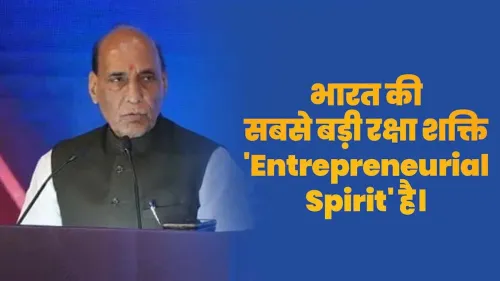
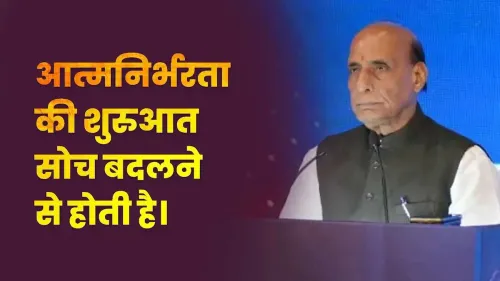
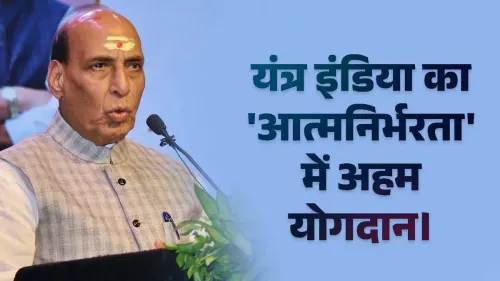
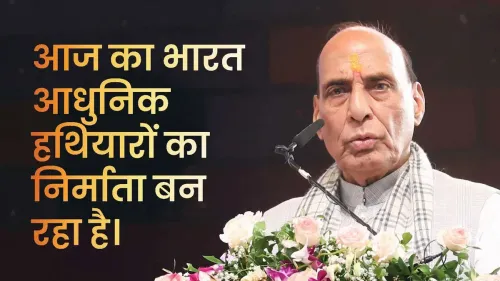
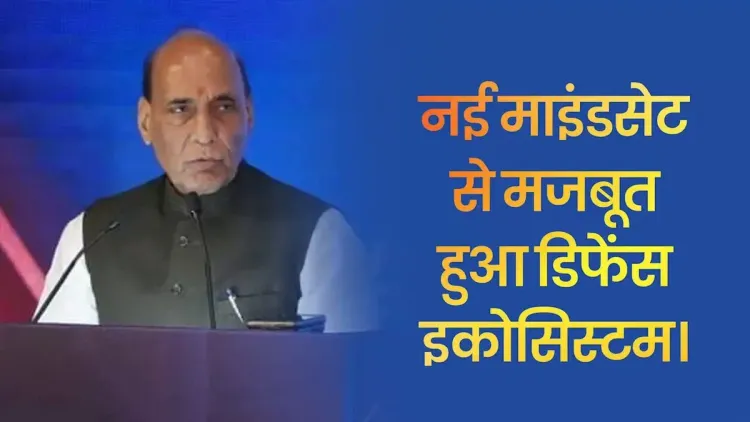
Union Defence Minister Rajnath Singh on Saturday, 18 July 2026, declared that India has given fresh momentum to self-reliance and indigenous defence manufacturing by breaking away from an outdated mindset, asserting that the country's defence ecosystem is today stronger, more confident, and more self-reliant than ever before.
Posting on X, Singh wrote: 'पुराने माइंडसेट को बदलकर भारत ने रक्षा क्षेत्र में आत्मनिर्भरता और स्वदेशी रक्षा उद्योग को नई गति दी है।' ('By changing the old mindset, India has given new momentum to self-reliance and the indigenous defence industry in the defence sector.') He added that under the resolve of 'Nation First, Forces First', India's defence ecosystem is becoming far stronger, more confident, and more self-reliant than before.
Context
The statement comes as India's defence indigenisation drive — a central pillar of the Atmanirbhar Bharat Abhiyan launched in May 2020 — continues to reshape the country's procurement and manufacturing landscape. The campaign explicitly identified defence as a sector where import dependence had to be reduced. Singh, who has helmed the Ministry of Defence since 2019, has been the political face of this transformation.
The phrase 'Nation First, Forces First' encapsulates the government's stated priority of ensuring that the Indian Armed Forces are equipped with domestically produced platforms and systems, reducing strategic vulnerability to supply-chain disruptions.
Policy Backdrop
Between 2020 and 2023, the Ministry of Defence notified four positive indigenisation lists, cumulatively banning imports of over 500 defence items and mandating their domestic production. This was accompanied by raising the foreign direct investment cap in defence to 74 per cent under the automatic route and the announcement of two dedicated defence industrial corridors — in Uttar Pradesh and Tamil Nadu.
The Defence Procurement Procedure was revised to set higher indigenous content thresholds, and greater private-sector participation was enabled alongside the traditional defence public sector undertakings. The Defence Research and Development Organisation (DRDO) has served as the nodal agency driving indigenous weapons systems, missiles, and platforms throughout this period.
The broader shift — initiated since 2014 — has moved successive procurement decisions away from outright imports toward prioritising indigenous design, development, and production, a policy framing the government presents as advancing India's strategic autonomy.
Stakeholders and Impact
The primary beneficiaries of this policy direction are domestic defence manufacturers, both public-sector enterprises and private firms, which have gained expanded access to contracts historically dominated by foreign original equipment manufacturers. The Indian Armed Forces — the Army, Navy, and Air Force — are the end-users whose operational readiness is directly tied to the pace and quality of indigenous production.
Border tensions and global supply-chain disruptions in recent years have added urgency to the indigenisation agenda, underscoring the strategic rationale behind reducing dependence on foreign suppliers for critical defence equipment.
What's Next
Upcoming milestones that will test the depth of the indigenisation push include DefExpo 2026, where new orders for indigenous platforms are expected to be showcased, and Aero India 2027. The tabling of the 2027-28 Defence Budget will also be closely watched for capital acquisition allocations directed at Indian firms and research and development investments through DRDO. Singh's post signals that the political messaging around self-reliance in defence will remain central to the government's public communication as these milestones approach.
Point of View
Forces First', he frames indigenisation not merely as an economic policy but as a patriotic compact, tying defence manufacturing reform to national security identity. The timing, ahead of likely budget and expo cycles, suggests the government is priming public opinion for further announcements. The challenge, as analysts have long noted, lies in translating the policy architecture into verified delivery timelines and operational inductions at scale.
NationPress
16 Oct 2026
Frequently Asked Questions
What did Rajnath Singh say about India's defence sector on 18 July 2026?
Rajnath Singh stated that India has given new momentum to self-reliance and indigenous defence manufacturing by changing an old mindset, and that under the 'Nation First, Forces First' resolve, India's defence ecosystem is stronger, more confident, and more self-reliant than ever before.
What is the 'Nation First, Forces First' policy in Indian defence?
'Nation First, Forces First' is the guiding resolve articulated by the Ministry of Defence, prioritising the equipping of India's armed forces with domestically produced platforms and systems to reduce dependence on foreign suppliers.
How many defence items has India banned from imports under indigenisation lists?
Between 2020 and 2023, the Ministry of Defence notified four positive indigenisation lists cumulatively banning imports of over 500 defence items, mandating their domestic production instead.
What is Atmanirbhar Bharat's role in India's defence sector?
Atmanirbhar Bharat Abhiyan, launched in May 2020, identified defence manufacturing as a core pillar for reducing import dependence. It spurred indigenisation lists, higher FDI caps, defence industrial corridors, and revised procurement procedures.
What are the next milestones for India's defence indigenisation drive?
DefExpo 2026 and Aero India 2027 are expected to showcase new indigenous platform orders, while the tabling of the 2027-28 Defence Budget will reveal capital acquisition allocations directed at Indian firms and R&D investments through DRDO.