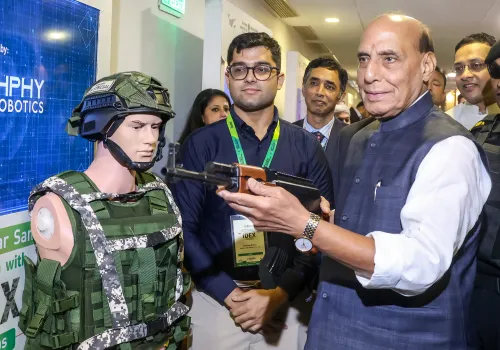
Rajnath Singh approves revised SOP for defence industry access to proof ranges, test facilities
Synopsis
India's domestic defence manufacturers just got a meaningful procedural upgrade: fee waivers for iDEX, TDF, and Make projects, a dedicated quarterly testing slot at Proof Ranges, and arbitration replaced by a faster conciliation mechanism. The revised SOP, approved by Rajnath Singh, directly targets the testing bottleneck that has long slowed indigenous defence development.
Key Takeaways
Defence Minister Rajnath Singh approved the revised SOP on 7 October 2026 for MoD Proof Ranges, Field Firing Ranges, and Test Facilities.
Proof and testing charges waived for iDEX , TDF , Make , and other MoD developmental projects to promote Atmanirbharta in Defence.
A three-day slot per quarter reserved at Proof Ranges for developmental project proof firing, including industry-initiated projects.
The existing Arbitration clause replaced by a Conciliation Agreement Clause for faster dispute resolution and Ease of Doing Business.
Facilities of DRDO , Government Quality Assurance agencies, and all three armed services are now listed and accessible to the Indian defence industry.
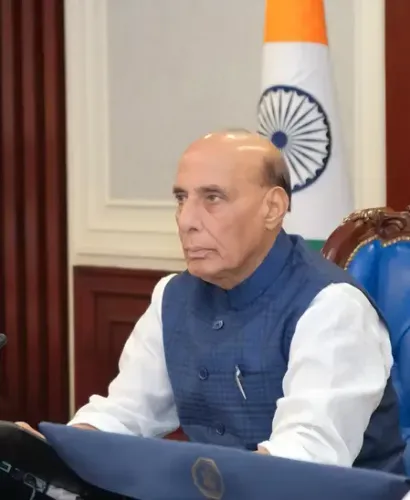
Defence Minister Rajnath Singh on Wednesday, 7 October 2026, approved a revised Standard Operating Procedure (SOP) governing the utilisation of the Ministry of Defence's (MoD) Proof Ranges, Field Firing Ranges, and Test Facilities by the domestic defence industry. The move is aimed at streamlining and simplifying access to critical testing infrastructure for Indian manufacturers, as part of a broader push for self-reliance in defence production.
What the Revised SOP Changes
According to an official ministry statement, the revised SOP provides a detailed and simplified procedure for the allotment and utilisation of MoD proof ranges and laboratory testing facilities, along with requisite documentation formats. The ministry stated that the SOP 'aims to provide simpler, transparent and industry-friendly access to proof ranges, field firing ranges and test facilities.'
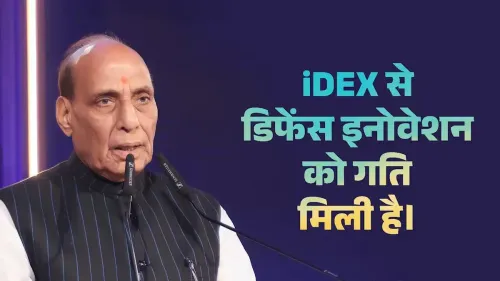
Notably, proof and testing charges have been waived for projects under the iDEX (Innovations for Defence Excellence), TDF (Technology Development Fund), Make, and other developmental schemes under the Ministry of Defence — a direct incentive to promote Atmanirbharta in Defence.
Key Features of the New Framework
The revised SOP comprehensively lists the Proof Ranges, Field Firing Ranges, and Laboratory Test Facilities available with DRDO, Government Quality Assurance agencies, and the three armed services, all now accessible to the Indian defence industry. The procedure for calculating and processing proof and testing charges, wherever applicable, has been incorporated directly into the SOP, reducing documentation burden on manufacturers.
In a significant procedural shift, the existing Arbitration clause has been replaced with a more flexible Conciliation Agreement Clause. The ministry indicated this change is designed to facilitate Ease of Doing Business by enabling faster resolution of disputes faced by indigenous defence firms.
Reserved Slots for Developmental Projects
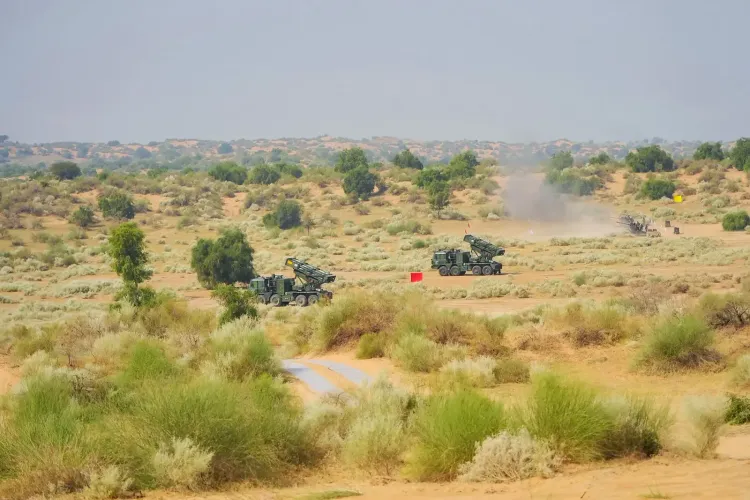
One of the more operationally significant changes is the reservation of a three-day slot per quarter at Proof Ranges specifically for proof firing of developmental projects. This applies to government-sponsored projects — including those under iDEX, TDF, and Make categories — as well as developmental projects undertaken on the own initiative of indigenous defence companies. This structured access addresses a longstanding concern about scheduling bottlenecks that had slowed the testing pipeline for smaller and emerging defence manufacturers.
Context: India's Indigenisation Push
The approval comes amid sustained policy momentum to reduce India's dependence on imported defence equipment. The country has progressively expanded its positive indigenisation lists and increased the domestic procurement budget for defence. Providing reliable, affordable access to government-owned testing infrastructure has been identified by industry bodies as a critical enabler — without it, even well-designed indigenous systems struggle to complete trials and achieve certification within competitive timelines.
The revised SOP is expected to particularly benefit startups and MSMEs in the defence sector, many of which lack dedicated testing facilities of their own. Going forward, the effective implementation of slot reservations and fee waivers will determine how significantly this policy change accelerates India's indigenous defence development pipeline.
Point of View
Not just symbolism. However, the real test is whether the three-day quarterly slot reservation is actually enforced against competing military demand, and whether the conciliation clause delivers on its promise of speed. India's defence indigenisation story has no shortage of enabling policy; execution fidelity is where it has historically frayed.
NationPress
7 Oct 2026
Frequently Asked Questions
What is the revised SOP approved by Rajnath Singh for the defence industry?
It is a revised Standard Operating Procedure approved on 7 October 2026 that governs how Indian defence companies can access MoD Proof Ranges, Field Firing Ranges, and Test Facilities. It simplifies allotment procedures, waives fees for select developmental projects, and reserves dedicated testing slots each quarter.
Which defence projects get fee waivers under the new SOP?
Proof and testing charges have been waived for projects under iDEX, TDF, Make, and other developmental programmes of the Ministry of Defence. This is intended to reduce financial barriers for indigenous defence manufacturers pursuing innovation and certification.
What is the significance of the three-day quarterly slot reservation?
A three-day slot per quarter has been reserved at Proof Ranges exclusively for proof firing of developmental projects, including both government-sponsored initiatives and those undertaken on the own initiative of domestic defence companies. This addresses chronic scheduling delays that have hampered indigenous defence certification timelines.
Why was the Arbitration clause replaced with a Conciliation Agreement Clause?
The switch from arbitration to conciliation is aimed at enabling faster, less adversarial resolution of disputes between the government and indigenous defence companies. The ministry framed it as part of its Ease of Doing Business agenda, reducing the time and cost burden of formal arbitration proceedings.
Which testing facilities are now available to the Indian defence industry under this SOP?
The SOP lists Proof Ranges, Field Firing Ranges, and Laboratory Test Facilities available with DRDO, Government Quality Assurance agencies, and all three armed services — the Army, Navy, and Air Force — for utilisation by domestic defence manufacturers.