Rajnath Singh: Defence Technology Is India's New War Power
Synopsis
Union Defence Minister Rajnath Singh declared on 3 August 2026 that defence technology is India's 'new war power', calling for stronger use of experience, domain knowledge, and innovation to build a self-reliant defence ecosystem — echoing a decade of indigenization policy.
Key Takeaways
Rajnath Singh stated on 3 August 2026 that defence technology is the defining source of military power today.
He called on India to leverage experience, domain knowledge, and technological innovation to strengthen its defence ecosystem.
India's indigenization push spans Make in India (2014) , iDEX (2018) , and the revised Defence Acquisition Procedure (2020) .
DRDO and defence startups are central to converting operational experience into field-ready technology.
The Atmanirbhar Bharat framework provides formal policy and procurement backing for domestic defence manufacturing.
The statement signals continued momentum ahead of upcoming defence budget allocations and the next Defence Expo.
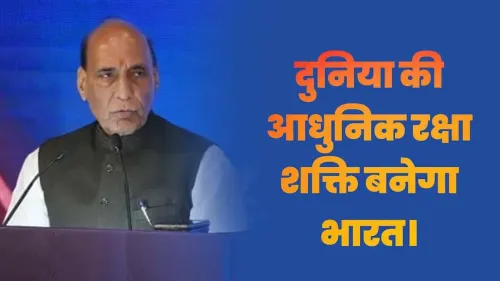
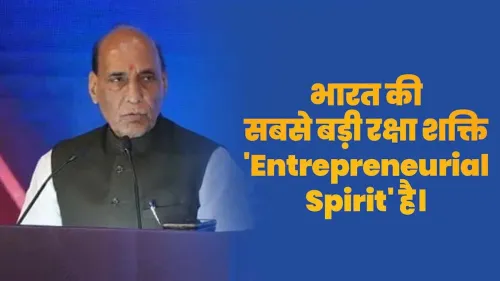
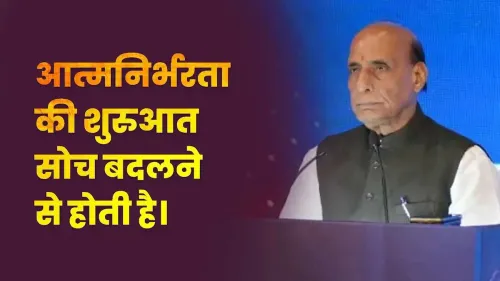
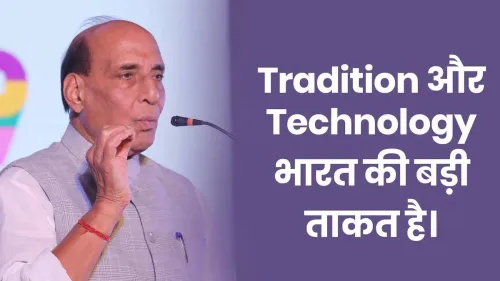
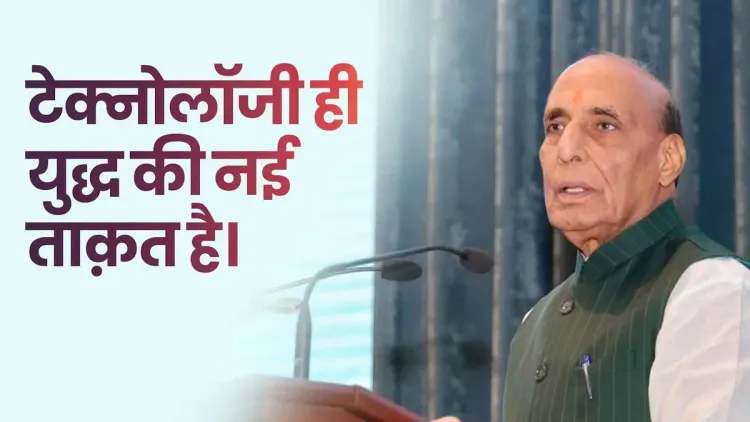
Defence technology is no longer a support function — it is the front line. Union Defence Minister Rajnath Singh made that case sharply on Monday, 3 August 2026, calling on India to harness experience, domain knowledge, and technological innovation to build a stronger defence ecosystem.
Posting in Hindi, Singh wrote: 'आज Defence Technology ही नई युद्ध शक्ति है' — 'Today, defence technology is the new war power' — and argued that India must leverage its accumulated expertise and innovation capacity to reinforce that ecosystem further.
From 'Make in India' to a full defence-tech doctrine
The statement lands against a decade-long policy arc. Make in India was extended to defence in 2014 to reduce import dependence. iDEX — Innovations for Defence Excellence — followed in 2018, opening the door for startups and innovators to contribute directly to military solutions. The Defence Acquisition Procedure was overhauled in 2020 to mandate higher indigenous content and faster technology absorption.
Together, these moves signal a structural shift: India is no longer content to be a buyer of foreign platforms. The ambition is to be a designer, manufacturer, and eventually an exporter of defence technology — a goal Singh has consistently championed since taking charge of the ministry in 2019.
Domain knowledge as strategic capital
Singh's specific invocation of 'domain knowledge' is pointed. It signals that the ministry views battlefield and operational experience — held by the armed forces and agencies like DRDO — as raw material for innovation, not just institutional memory. The idea is a feedback loop: frontline insight shapes R&D priorities, which in turn produce sharper, field-ready technology.
India's defence startups, increasingly drawn into this loop through iDEX challenges and dedicated procurement channels, represent the third leg of the stool. The Atmanirbhar Bharat framework has given that participation formal policy backing, with dedicated import-substitution lists and ring-fenced budgets for domestic procurement.
What the push means for India's security posture
The urgency in Singh's framing reflects a broader reality: regional security pressures have made technological self-reliance a strategic necessity, not a procurement preference. A nation dependent on imported platforms faces supply-chain risk in a crisis. Building indigenous capability — from sensors to software to platforms — is India's hedge against that vulnerability.
With the next Defence Expo and annual budget allocations on the horizon, Singh's post reads as both a statement of intent and a call to action for the ecosystem he oversees — scientists, startups, and soldiers alike.
The message is unambiguous: in the wars of tomorrow, the edge will belong to whoever controls the technology. India intends to control its own.
Point of View
He is pushing the ecosystem to treat operational experience as an R&D input, not just institutional heritage. The statement also serves a political purpose: it keeps the indigenization narrative alive and signals to the defence-industrial base that policy continuity is assured. Watch whether the next budget translates this language into specific technology-fund allocations or expanded iDEX mandates.
NationPress
3 Aug 2026
Frequently Asked Questions
What did Rajnath Singh say about defence technology?
On 3 August 2026, Union Defence Minister Rajnath Singh said that defence technology is India's 'new war power' and called for using experience, domain knowledge, and technological innovation to strengthen India's defence ecosystem.
What is iDEX and how does it relate to defence innovation in India?
iDEX — Innovations for Defence Excellence — is a Ministry of Defence initiative launched in 2018 to engage startups and innovators in developing defence technology solutions, forming a key pillar of India's indigenization push.
What is Atmanirbhar Bharat's role in India's defence sector?
Atmanirbhar Bharat, or Self-Reliant India, includes a dedicated defence component that aims to reduce import dependence through domestic manufacturing, R&D investment, and import-substitution lists backed by ring-fenced procurement budgets.
What is DRDO's role in India's defence technology ecosystem?
DRDO — the Defence Research and Development Organisation — is India's primary agency for indigenous defence technology development, translating operational and domain expertise into field-ready military systems.
How has India's defence indigenization policy evolved since 2014?
Make in India was extended to defence in 2014, iDEX was launched in 2018 for startup participation, and the Defence Acquisition Procedure was revised in 2020 to mandate higher indigenous content — forming a layered policy framework for self-reliance.