Rajnath Singh: India builds startups, Pakistan builds terror
Synopsis
Union Defence Minister Rajnath Singh on 26 July 2026 sharply contrasted India's startup and chip-design ambitions with Pakistan's alleged terror ecosystem, reinforcing New Delhi's twin narrative of technological self-reliance and diplomatic pressure on cross-border terrorism.
Key Takeaways
Union Defence Minister Rajnath Singh posted on 26 July 2026 contrasting India's and Pakistan's developmental trajectories.
Singh said India is building a 'Start-up Eco-system' and doing 'Chip Design,' while Pakistan is building a 'Terror Eco-system' and engaged in 'Terror Design.' The statement references the India Semiconductor Mission (2021) and the Startup India initiative launched in 2016 .
Both programmes are part of the Atmanirbhar Bharat framework announced in 2020 to drive technological and defence self-reliance.
The framing aligns with India's ongoing diplomatic effort to isolate Pakistan on terrorism at forums such as the SCO and UN General Assembly .
Budget allocations for semiconductors and defence indigenisation will be the next concrete test of these stated priorities.
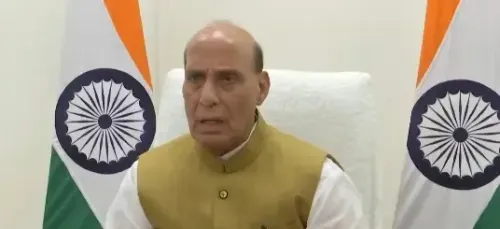
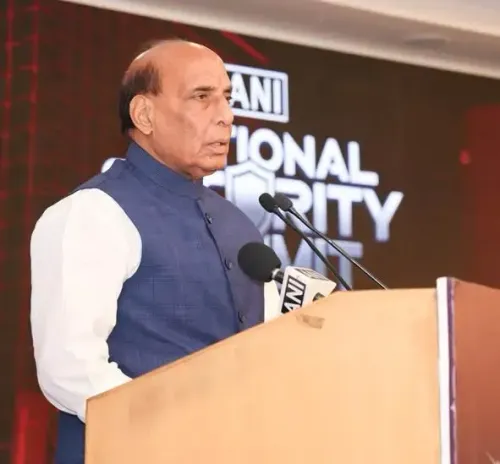
Union Defence Minister Rajnath Singh on Sunday, 26 July 2026, drew a sharp contrast between India and Pakistan, asserting that while India is building a startup and semiconductor ecosystem, Pakistan remains invested in what he called a 'terror ecosystem' and 'terror design.'
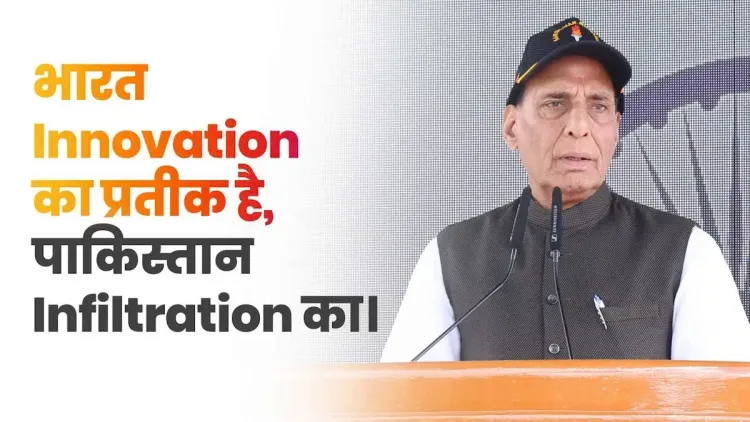
Posting in Hindi on X, Singh wrote: 'Aaj Bharat aur Pakistan ke raaste ekdam alag-alag hain' — 'Today, the paths of India and Pakistan are completely different. India is building a Start-up Eco-system, while Pakistan is building a Terror Eco-system. India is doing Chip Design, while Pakistan is engaged in Terror Design. India is leading in Innovation and Development, while Pakistan leads in Terrorism and Infiltration.'
Context
The statement arrives amid sustained India-Pakistan tensions over cross-border infiltration and terrorism along the Line of Control. Singh, one of the most senior figures in the Bharatiya Janata Party and a former Union Home Minister, has consistently been the government's principal voice on national security and border affairs.
The rhetorical framing — juxtaposing India's technological ambitions against Pakistan's alleged sponsorship of terrorism — reflects a pattern of public communication that Indian leadership has employed since at least 2014, intensified after the 2019 Pulwama attack.
Policy Backdrop
Singh's reference to chip design points directly to the India Semiconductor Mission, approved in 2021, which aims to develop domestic semiconductor design and manufacturing capacity and reduce dependence on foreign supply chains. The 'startup ecosystem' reference draws on the Startup India initiative launched in 2016, which has since helped position India among the world's top startup nations by count of unicorns.
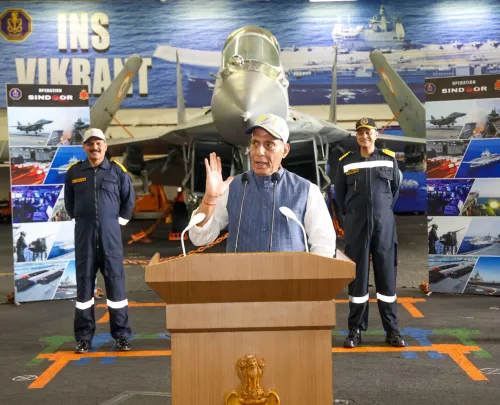
Both programmes sit under the broader Atmanirbhar Bharat framework announced in 2020, which prioritised self-reliance in defence production, advanced manufacturing, and critical technology. Singh, as Defence Minister, has been a key advocate of indigenising defence procurement under this umbrella.
Stakeholders and Impact
The statement is directed at multiple audiences simultaneously: the domestic tech sector, which has a stake in continued policy support for semiconductors and startups; the Indian Armed Forces and border security apparatus, for whom the terrorism framing reinforces operational and political backing; and international partners, particularly as India pursues diplomatic efforts to isolate Pakistan on terror-related issues at multilateral forums including the SCO and the UN General Assembly.
For the Indian tech community, the ministerial endorsement signals that semiconductor self-reliance and startup growth remain political priorities at the highest levels of government. For security establishments, it reaffirms the official position that cross-border terrorism remains an active and unresolved threat.
What's Next
Observers will watch upcoming Union Budget allocations for both the semiconductor mission and defence indigenisation programmes to see whether political rhetoric translates into fresh fiscal commitments. Statements at multilateral summits — particularly any upcoming SCO or UN engagement — will be scrutinised for whether this contrast between 'innovation' and 'infiltration' becomes a formal diplomatic talking point. As global semiconductor supply chains continue to shift, India's ability to back Singh's words with concrete chip-manufacturing milestones will determine how the contrast he has drawn is received internationally.
Point of View
It anchors the BJP's governance record to tangible technology milestones — semiconductors, startups — while internationally it advances India's long-running effort to frame Pakistan as a terror-sponsoring state before multilateral audiences. The chip-versus-terror antithesis is rhetorically effective because it ties economic nationalism directly to security policy, making both arguments mutually reinforcing. Coming from the Defence Minister rather than a party spokesperson, the statement carries institutional weight and signals that the India-Pakistan contrast will remain a core pillar of New Delhi's foreign-policy communication. Whether it shifts any diplomatic needle depends on how consistently this framing is deployed at forums like the SCO and the UN, where Pakistan also holds a seat at the table.
NationPress
26 Jul 2026
Frequently Asked Questions
What did Rajnath Singh say about India and Pakistan?
Rajnath Singh said India and Pakistan are on completely different paths: India is building a startup ecosystem and doing chip design, while Pakistan is building a terror ecosystem and engaged in terror design, according to his post on 26 July 2026.
What is the India Semiconductor Mission?
The India Semiconductor Mission is a government programme approved in 2021 to develop domestic semiconductor design and manufacturing capacity, reducing India's dependence on foreign chip supply chains.
What is Startup India?
Startup India is a government initiative launched in 2016 to build a national entrepreneurship and innovation ecosystem, providing funding support, regulatory ease, and tax benefits to new businesses.
Why does Rajnath Singh frequently comment on Pakistan and terrorism?
As Union Defence Minister and a former Union Home Minister, Rajnath Singh is one of the government's principal voices on national security; his comments on Pakistan and terrorism reflect both his portfolio and the BJP government's consistent diplomatic posture since 2014.
What is Atmanirbhar Bharat and how does it relate to this statement?
Atmanirbhar Bharat, announced in 2020, is India's self-reliance programme covering defence production and advanced technology; Singh's references to chip design and startup growth are direct outcomes of this policy framework.