Red Cross Volunteers Reach Disaster-Hit Families in Bageshwar
Synopsis
The Chief Minister's Office of Uttarakhand has highlighted that the Red Cross Society is actively delivering volunteer-driven relief to disaster-affected families in Bageshwar district, underscoring the state's reliance on civil society networks during monsoon emergencies in the Himalayas.
Key Takeaways
The Chief Minister's Office of Uttarakhand confirmed on 8 August 2026 that the Red Cross Society is actively operating in Bageshwar district .
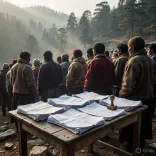
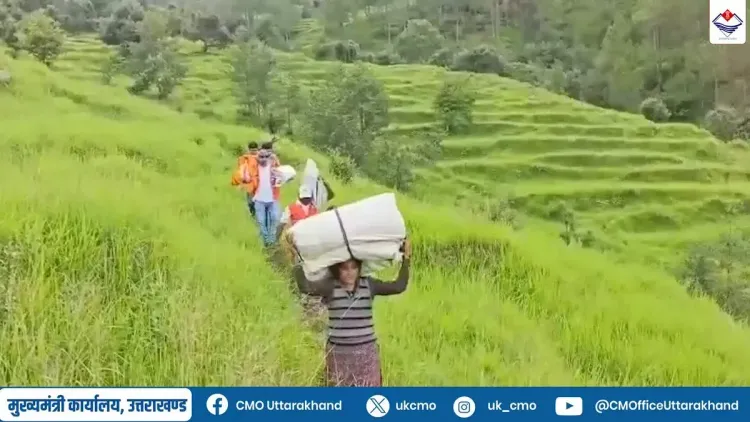
Volunteers are delivering timely relief and services to disaster-affected families across multiple areas of the district.
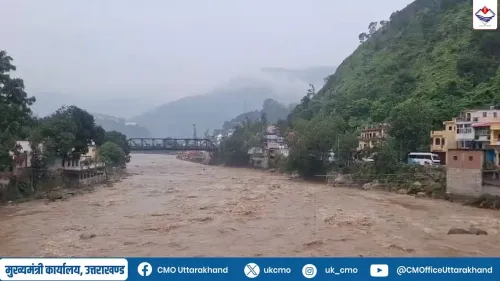
Bageshwar lies in Uttarakhand's Himalayan belt, which is recurrently hit by cloudbursts, landslides, and flash floods during the monsoon season.
The Indian Red Cross Society's expanded role in Uttarakhand disaster relief dates to the post- 2013 Kedarnath floods policy framework.
The CMO's public acknowledgement reflects a coordinated state and civil-society model of disaster response in remote hill districts.
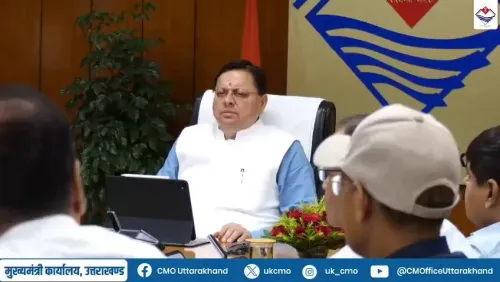
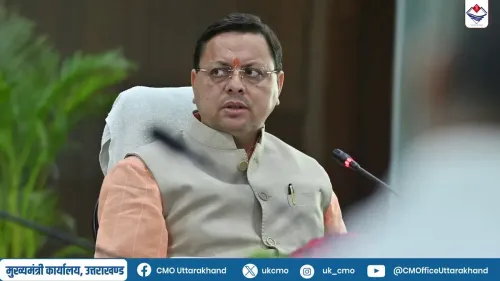
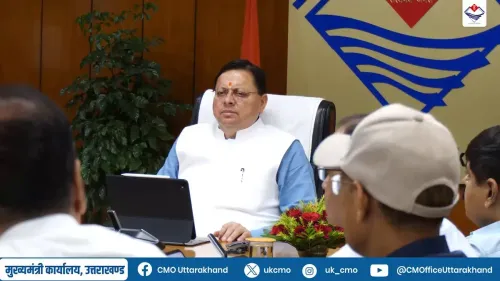
In the flood-prone valleys of Bageshwar, relief does not wait for paperwork. The Chief Minister's Office of Uttarakhand on Saturday, 8 August 2026 highlighted that the Red Cross Society is actively reaching disaster-affected families across the district through volunteer-driven relief and service operations.
The post, shared from the official CMO handle, stated: 'In Bageshwar district, the Red Cross Society is continuously playing an active role in assisting disaster-affected families. Through volunteer, relief, and service activities in various areas of the district, timely help is being delivered to families in need.'
Bageshwar's recurring battle with Himalayan weather
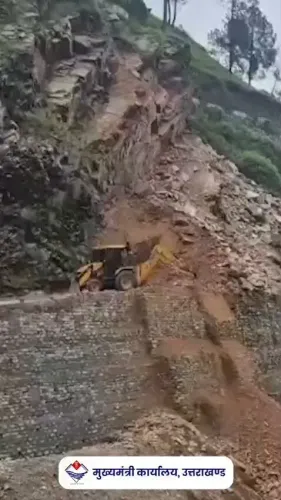
Bageshwar district, nestled deep in Uttarakhand's Himalayan ranges, is no stranger to monsoon-season crises. Cloudbursts, landslides, and flash floods periodically cut off villages and displace families, creating urgent demand for on-ground relief that official machinery alone cannot always meet at speed. The district's terrain makes last-mile delivery of aid particularly challenging — which is precisely where volunteer networks prove decisive.Red Cross fills the last-mile gap
The Indian Red Cross Society functions as a national humanitarian body with district-level chapters trained for exactly this kind of deployment. In Uttarakhand, the organisation's role in disaster relief expanded significantly after the 2013 Kedarnath floods, when state policy formally encouraged NGOs and voluntary bodies to supplement official rescue and rehabilitation efforts. Since then, Red Cross volunteers have become a routine and trusted presence in the state's disaster response architecture. In Bageshwar, volunteers are currently operating across multiple zones, ensuring that aid reaches families before the window of need closes. The CMO's public acknowledgement of this work signals active state-civil society coordination rather than parallel, disconnected efforts. Uttarakhand's successive administrations have leaned on this model — state oversight combined with NGO agility — particularly in remote Himalayan districts where geography defeats bureaucratic timelines. The pattern holds: when a disaster hits a hill district, the Red Cross moves in alongside SDRF teams, and the CMO amplifies the effort publicly to reassure affected communities that help is coming. Watch for district-level updates on relief camp operations and any state disaster response fund allocations directed toward Bageshwar in the days ahead. In the hills, the monsoon is not done yet.Point of View
Lending it state credibility and public reassurance. It reflects a broader pattern across Himalayan states where civil society fills the last-mile gap that government logistics cannot. Politically, such acknowledgements also serve to demonstrate administrative attentiveness during monsoon crises, a perennial pressure point for hill-state governments. The question going forward is whether this coordination translates into structured, funded partnerships or remains ad hoc goodwill.
NationPress
8 Aug 2026
Frequently Asked Questions
What is the Red Cross doing in Bageshwar Uttarakhand?
The Red Cross Society is actively delivering relief and volunteer services to disaster-affected families across various areas of Bageshwar district, as confirmed by the Uttarakhand Chief Minister's Office on 8 August 2026.
Which district in Uttarakhand is currently facing disaster relief operations?
Bageshwar district in Uttarakhand is currently seeing active relief operations by the Red Cross Society following disaster impacts on local families.
Why is Bageshwar prone to natural disasters?
Bageshwar is located in Uttarakhand's Himalayan region, making it vulnerable to recurrent cloudbursts, flash floods, and landslides, particularly during the monsoon season.
How does the Red Cross work with the Uttarakhand government during disasters?
Since the 2013 Kedarnath floods, Uttarakhand state policy has encouraged the Red Cross and other voluntary organisations to supplement official rescue and rehabilitation work at the district level.
What should I watch for next in the Bageshwar disaster relief situation?
Updates on relief camp operations and any announcements regarding state disaster response fund allocations for Bageshwar are the key developments to follow.