Retaining Agniveers for 2 more years beneficial amid global conflicts: Retired General
Synopsis
India's Agnipath scheme just got its most significant structural tweak since launch. The Centre is now offering Agniveers — who make up 75 per cent of non-absorbed recruits — an extra two years of service. A retired Major General says releasing battle-ready soldiers mid-career, amid conflicts worldwide, was never wise. This extension may also defuse the political heat the scheme has carried since the 2022 protests.
Key Takeaways
CDS General NS Raja Subramani confirmed the four-year Agniveer tenure remains unchanged but non-selected recruits can now serve an additional two years .
Retired Major General Shammi Sabharwal called the extension strategically beneficial given ongoing global conflicts.
Only 25 per cent of Agniveers were originally slated for permanent retention; the extension now covers the remaining 75 per cent .
Recruits who take the extension will be approximately 24-25 years old at completion, retaining significant employability.
The move is seen as the government's most consequential structural response to criticism of the Agnipath scheme since its rollout in 2022 .
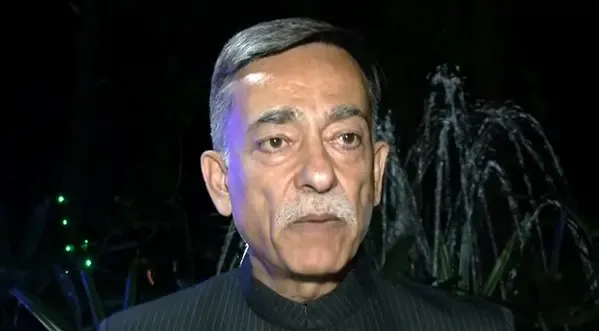
Retired Major General Shammi Sabharwal on Wednesday, 4 November 2026, welcomed the Centre's decision to offer Agniveers an additional two-year service extension after their initial four-year tenure, calling it a strategically sound move given the prevailing security environment worldwide. The endorsement came hours after Chief of Defence Staff (CDS) General NS Raja Subramani formally clarified the contours of the new option.
What the CDS Clarified
CDS General NS Raja Subramani confirmed on Wednesday that the original four-year service period under the Agnipath scheme remains unchanged. However, Agniveers who are not selected as regular soldiers at the end of their first phase will now have the opportunity to serve for an additional two years, extending their total active service to six years. The clarification addresses a key concern among recruits and defence analysts about career continuity.
Why the Retired General Backs the Move
Speaking to reporters in Dehradun, Major General Sabharwal (Retd) argued that releasing battle-ready personnel mid-career was strategically counterproductive. 'Considering the current global situation, with conflicts taking place around the world, it may not be wise to release trained manpower that has already undergone four years of military training. From a 'nation first' perspective, retaining these personnel in the armed forces during this critical period is beneficial for both the country and the military,' he said.
He also highlighted the financial dimension of the extension. 'If an Agniveer gets two additional years of service, it will provide significant financial benefits to him and his family,' he added.
Impact on Unit Efficiency and Force Strength
Under the original scheme, only 25 per cent of Agniveers were expected to continue in service beyond the initial four years. Sabharwal noted that retaining the remaining 75 per cent for two more years — personnel who already carry four years of active experience — would meaningfully improve operational readiness at the unit level. 'Since most of them are only 21-22 years old, they would still be around 24-25 years old after the extension. Their continued presence would significantly improve unit efficiency, especially at a time when international conditions are not very stable,' he said.
Financial and Career Flexibility for Agniveers
Beyond military strategy, the retired general pointed to the economic upside for individual recruits. The extended tenure allows Agniveers to accumulate greater savings, and some may use the financial cushion to launch entrepreneurial ventures on return to civilian life. 'Their financial position could become strong enough that many of them may not necessarily need to continue in the Army and could pursue other opportunities after returning home,' Sabharwal said.
Drawing on his experience at the National Defence Academy (NDA), he also noted that the extension gives recruits more time to make an informed career decision. 'Even among regular soldiers, many realise after a few years that military life is not for them and would rather return home. With the extended tenure, Agniveers will have more time to decide whether they wish to continue. If they choose to leave, they can do so with dignity,' he said, adding that a traditional 15-year service commitment could limit future flexibility.
Morale and Recruitment Outlook
When asked whether the extension would encourage future aspirants, Sabharwal said it certainly would, as the prospect of a longer, more financially rewarding tenure makes the scheme more attractive. The Agnipath scheme had faced criticism since its launch in 2022, with protests across several states over short service periods and limited permanent absorption. The two-year extension is widely seen as the government's most significant structural response to those concerns.
How the extended cohort is absorbed, retrained, or transitioned into civilian roles in the medium term will be the next critical test for the policy.
Point of View
Older exit cohort arriving in the jobs market simultaneously. The extension buys time, but a credible skilling-and-placement pipeline for demobilised Agniveers remains conspicuously absent from the public announcement.
NationPress
4 Nov 2026
Frequently Asked Questions
What is the new Agniveer service extension announced by the Centre?
The Centre is offering Agniveers who are not selected as regular soldiers after their initial four-year tenure the option to serve for an additional two years, bringing total service to six years. The core four-year structure of the Agnipath scheme remains unchanged, as confirmed by CDS General NS Raja Subramani.
Why does Major General Sabharwal support retaining Agniveers longer?
He argues that releasing personnel with four years of military training is strategically unwise given the current climate of global conflicts. He also cites improved unit efficiency and greater financial security for recruits and their families as key benefits of the extension.
How many Agniveers are affected by this extension?
Approximately 75 per cent of Agniveers — those not absorbed as regular soldiers after the first four years — are eligible for the two-year extension. Under the original scheme, only 25 per cent were expected to continue in permanent service.
What financial benefit does the two-year extension offer Agniveers?
The extended tenure allows recruits to earn and save more over a longer period. Major General Sabharwal noted that some Agniveers may accumulate enough capital to start their own businesses upon leaving, improving their financial position compared to those who exit after four years.
How does the extension address criticism of the Agnipath scheme?
The Agnipath scheme faced widespread protests in 2022 over its short service duration and limited permanent absorption. The two-year extension is the government's most significant structural concession to date, giving recruits more time in service, greater earnings, and more flexibility to decide whether to pursue a long-term military career.