Rijiju: India will reject one-family rule again
Synopsis
Union Parliamentary Affairs Minister Kiren Rijiju posted on X on 27 June 2026 asserting that Indians will never again accept a 'one family dictatorship regime,' reinforcing the BJP's decade-long anti-dynasty political narrative ahead of upcoming electoral contests.
Key Takeaways
Kiren Rijiju , Union Minister of Parliamentary Affairs and Minority Affairs, posted on X on 27 June 2026 rejecting what he called a 'one family dictatorship regime.' The statement aligns with the BJP's sustained anti-dynasty campaign that has been a central plank since the 2014 general elections .
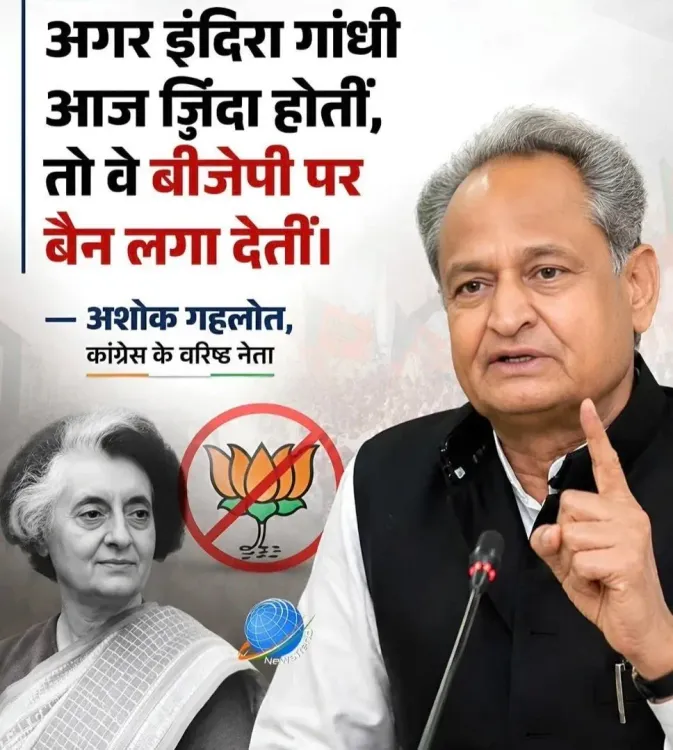
BJP rhetoric on dynastic politics frequently references the Emergency of 1975 , the 21 -month suspension of civil liberties under Indira Gandhi .
The critique is directed primarily at the Indian National Congress and the Nehru-Gandhi family , whose latest prominent leader is Rahul Gandhi .
The monsoon session of Parliament and upcoming state assembly elections are the next arenas where this messaging is expected to intensify.
Union Parliamentary Affairs Minister Kiren Rijiju took to X on Saturday, 27 June 2026 to assert that the people of India would never again accept what he described as a 'one family dictatorship regime,' amplifying a long-running BJP critique of dynastic politics in the country.
Context
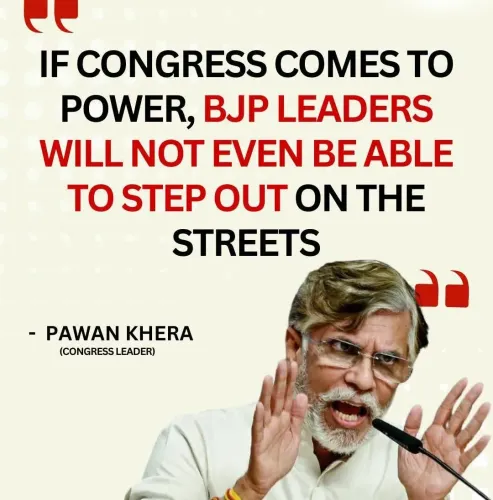
The post, a reply on X, carries a pointed phrase that has become central to BJP political messaging: the rejection of family-based political inheritance. While the immediate trigger for the remark is not specified in the post, the language closely mirrors the party's sustained campaign against what it frames as the concentration of democratic power within a single lineage — a critique directed most visibly at the Nehru-Gandhi family and the Indian National Congress.
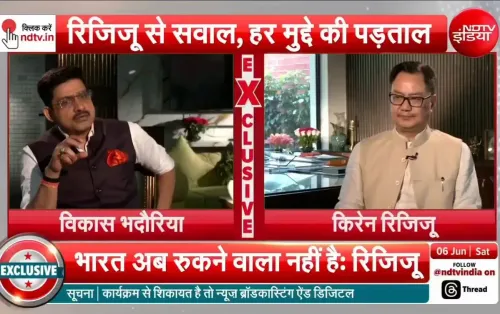
Rijiju, a senior BJP leader from Arunachal Pradesh who holds the portfolios of Parliamentary Affairs and Minority Affairs, has consistently used his public platforms to defend the ruling party's constitutional and governance positions. His social-media interventions frequently reflect coordinated party messaging on national political themes.
Policy Backdrop
The BJP's opposition to dynastic politics has deep roots. The party's founding documents and successive manifestos since its formation in 1980 criticised the Congress for concentrating power within one family. During the 2014 Lok Sabha campaign, Prime Minister Narendra Modi famously contrasted 'naamdaar' (those born to a name) with 'kaamdaar' (those who work for their position), a framing that resonated with voters and is widely credited with shaping that election's outcome.
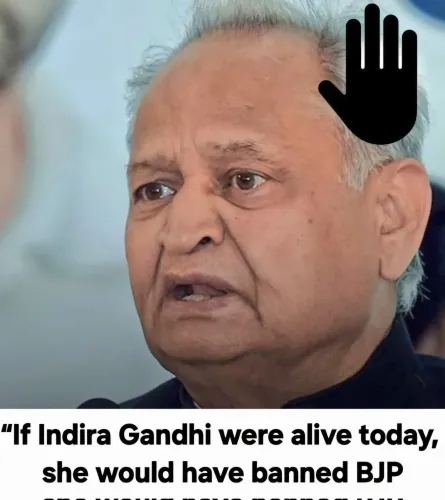
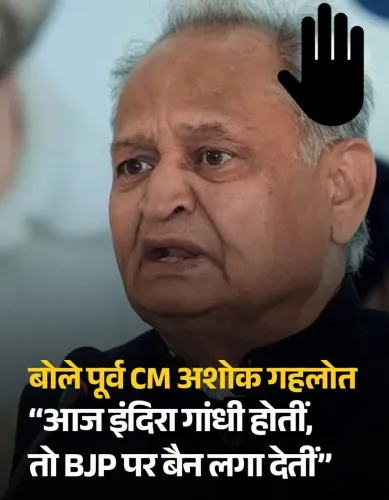
Post-2019, BJP leaders have repeatedly invoked the Emergency of 1975 — the 21-month period of central rule under Indira Gandhi marked by the suspension of civil liberties and press censorship — to frame the Congress as inherently authoritarian. Rijiju's latest statement fits squarely within this established rhetorical pattern, linking one-family dominance with institutional erosion.
The Indian National Congress, India's oldest national party, has been led across multiple generations by the Nehru-Gandhi family. Rahul Gandhi, the party's most prominent face, is a frequent target of BJP dynastic-politics critiques. Congress has consistently rejected such characterisations, arguing that its leadership reflects democratic internal processes.
Stakeholders and Impact
The statement is aimed squarely at Indian voters, particularly in states where assembly elections are approaching and where the BJP has sought to draw a contrast between merit-based leadership and inherited political privilege. For Congress and allied parties, such messaging represents a political challenge that has proven difficult to counter at the mass-communication level.
Regional parties with strong family dynasties — several of which are potential coalition partners for either national bloc — are also implicitly touched by this kind of rhetoric, even if they are not named directly. The BJP's anti-dynasty narrative has, over the past decade, become a durable electoral tool that transcends any single contest.
What's Next
Observers will watch whether this social-media statement is followed by legislative action in the upcoming monsoon session of Parliament, where any proposed anti-dynasty legislation or electoral reform bills could give the rhetoric institutional weight. State assembly elections in the near term are also likely to see BJP candidates amplify the family-versus-merit contrast on the campaign trail, with senior ministers like Rijiju providing the national messaging anchor.
Point of View
' the minister deliberately links the Congress's family leadership to the Emergency's authoritarian legacy, a conflation the party has road-tested across multiple election cycles. The timing — a reply on a public platform rather than a formal statement — suggests the party is keeping this narrative warm ahead of electoral contests, using social media as a low-cost, high-reach amplifier. Whether this translates into legislative proposals or remains rhetorical positioning will define how seriously voters and opponents treat the message in the months ahead.
NationPress
27 Jun 2026
Frequently Asked Questions
What did Kiren Rijiju say about one-family rule in India?
On 27 June 2026, Kiren Rijiju posted on X asserting that the people of India would never again accept a 'one family dictatorship regime,' renewing the BJP's long-standing critique of dynastic politics.
Which family is BJP referring to when it talks about dynastic politics in India?
The BJP's anti-dynasty critique is directed primarily at the Nehru-Gandhi family, which has led the Indian National Congress across multiple generations, with Rahul Gandhi being the current prominent face of that lineage.
What is the BJP's history of opposing dynastic politics?
The BJP has opposed dynastic politics since its formation in 1980. The critique intensified during the 2014 elections when PM Modi contrasted 'naamdaar' dynasts with 'kaamdaar' workers, and has continued through every major electoral cycle since.
What was the Emergency of 1975 and why do BJP leaders keep mentioning it?
The Emergency was a 21-month period from 1975 under Indira Gandhi during which civil liberties were suspended and press censorship was imposed. BJP leaders invoke it to frame Congress as inherently authoritarian and to argue that one-family dominance leads to institutional erosion.
Who is Kiren Rijiju and what is his role in the government?
Kiren Rijiju is a senior BJP leader from Arunachal Pradesh who serves as Union Minister of Parliamentary Affairs and Minister of Minority Affairs. He is known for defending the party's positions on constitutional and governance matters.