CM Siddaramaiah Unveils Rs 1.25 Lakh Crore Bengaluru Plan
Synopsis
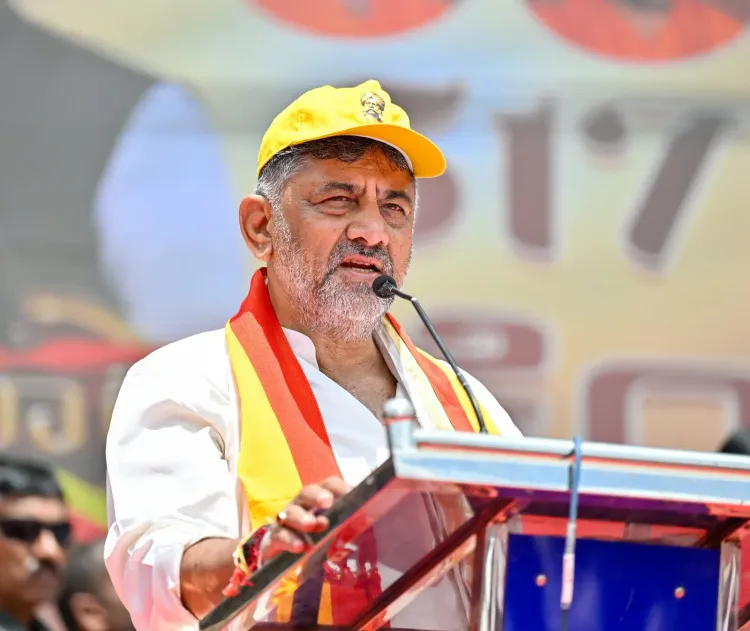
Chief Minister DK Shivakumar, speaking at a Kempegowda Jayanti event in Yelahanka on 27 June 2026, announced a Rs 1.25 lakh crore Bengaluru development programme, a vertical-growth strategy for the expanding city, B-to-A Khata land reforms, and a tripartite Tungabhadra water compact with Andhra Pradesh and Telangana.
Key Takeaways
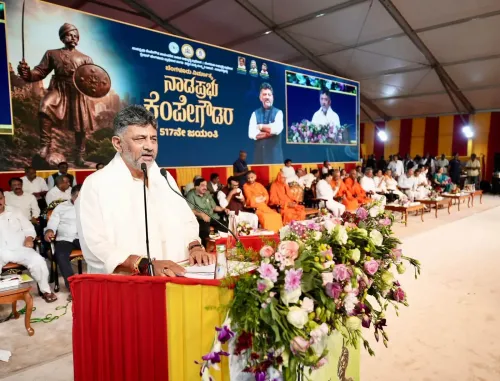
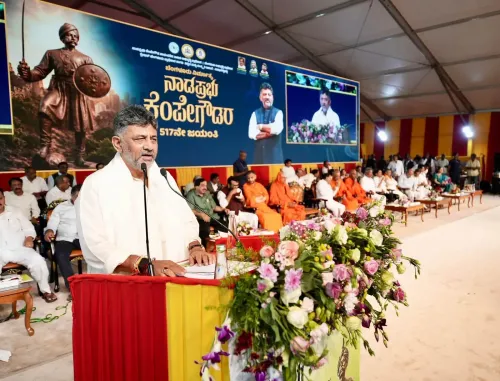
CM DK Shivakumar addressed the Bengaluru North Taluk Vokkaliga Samiti's Kempegowda Jayanti event at Yelahanka on 27 June 2026 .
The government has announced a Rs 1.25 lakh crore urban development programme for Bengaluru .
Property records have been digitised via e-Khata , and B-Khata to A-Khata conversions are under way to formalise land titles.
Shivakumar said he is exploring 'vertical growth' as a strategy to manage Bengaluru's rapid horizontal expansion.
A KHB plot allotted to the Bengaluru North Taluk Vokkaliga Sangha , originally priced at Rs 3.5 crore , will now be offered at 10 per cent of that rate.
Karnataka, Andhra Pradesh, and Telangana CMs reached an agreement on the Tungabhadra dam in a meeting chaired by the Union Jal Shakti Minister .
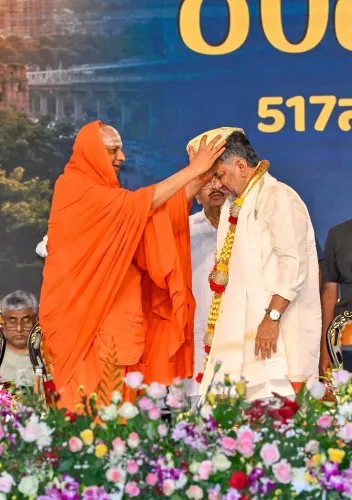
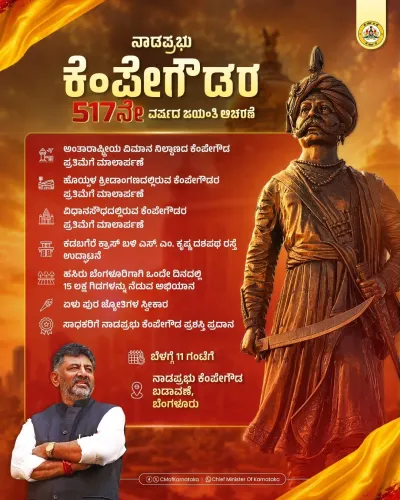
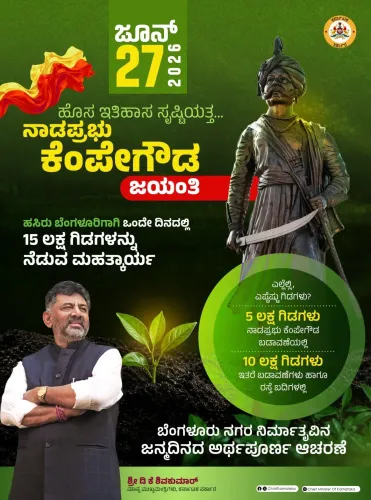
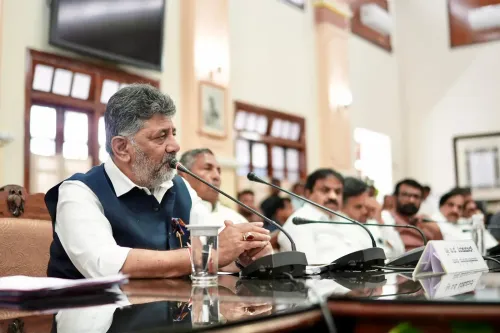
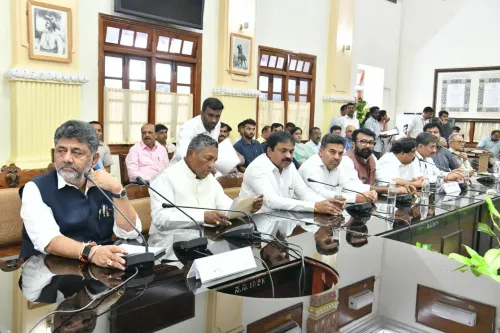
The Chief Minister's Office of Karnataka shared remarks by Chief Minister DK Shivakumar on Saturday, 27 June 2026, delivered at a Kempegowda Jayanti event organised by the Bengaluru North Taluk Vokkaliga Samiti at Yelahanka, invoking the 16th-century founder of Bengaluru to frame an ambitious urban development agenda and a new interstate water compact.
Context
Speaking at the community gathering, CM Shivakumar paid tribute to Nadaprabhu Kempegowda, who founded Bengaluru in 1537 as a fortified trading settlement under the Vijayanagara empire. 'Kempegowda was born a Vokkaliga but grew into a universal human being — no one should forget this,' the Chief Minister said in Kannada, urging residents to follow that inclusive path. He noted that the entire world now looks at Bengaluru because of the vision Kempegowda exercised 500 years ago when he performed a ritual consecration of the land before building the city.
Shivakumar stressed that while none of those present built Bengaluru, all have a duty to protect and grow it. He quoted an old Kannada proverb — 'mane hushaaru, matha hushaaru' (take care of the home, take care of the institution) — to underline the need to preserve heritage alongside progress.
Policy Backdrop
The Chief Minister announced that his government has formulated a Rs 1.25 lakh crore programme for the development of Bengaluru, describing the city as the heart of Karnataka just as the heart is vital to the body. He said property records of Bengaluru asset-owners have been digitised, and land guarantees are being provided through the e-Khata system. His government is also converting B-Khata properties to A-Khata status to give residents formal civic recognition of their assets.
Acknowledging that migration into Bengaluru cannot be stopped, Shivakumar said he is actively considering 'vertical growth' as the city's strategic expansion model. He recalled former Prime Minister Atal Bihari Vajpayee's remark at the inauguration of Bengaluru airport that world leaders who once flew first to Delhi, Chennai, or Kolkata were now coming to Bengaluru first. He also announced that Minister Krishna Byre Gowda has identified a site on the airport road for a grand new Bengaluru North government office complex.
On a land-related relief measure, the Chief Minister stated that a plot allotted by KHB (Karnataka Housing Board) to the Bengaluru North Taluk Vokkaliga Sangha had been priced at Rs 3.5 crore. Following representations by MP Sudhakar and former MLA Gantiganahalli Krishnappa, the government will fix the rate at 10 per cent of the original valuation.
Stakeholders and Impact
Shivakumar was emphatic that Kempegowda does not belong only to the Vokkaliga community: 'He is not the asset of Vokkaligas alone. We must design programmes that include people of all castes and religions — only then will we truly honour Kempegowda.' The speech positioned the development agenda as one that serves all residents who migrate to Bengaluru seeking education, healthcare, and livelihoods.
On the water front, the Chief Minister disclosed that amid the threat of drought across India this year — after three consecutive good monsoon seasons — he joined Andhra Pradesh CM Chandrababu Naidu and Telangana CM Revanth Reddy in a tripartite meeting chaired by the Union Jal Shakti Minister to reach an agreement on saving the Tungabhadra dam. He drew a parallel with decisions taken under former PM Indira Gandhi on Cauvery drinking-water allocation, framing the new compact as equally historic. 'We are all Indians, children of this soil — we must not fight one another over land and water,' he said.
What's Next
The rollout timeline and funding architecture of the Rs 1.25 lakh crore Bengaluru development programme are expected to be detailed in subsequent government announcements. The tripartite Tungabhadra agreement will be watched closely for formal documentation under the Jal Shakti Ministry ahead of the next monsoon cycle. The vertical-growth policy for Bengaluru, if formalised, could reshape zoning rules and the city's master plan. Bengaluru's growth trajectory — and how equitably its benefits are distributed — will remain a key test for the Shivakumar administration's legacy.
Point of View
Caste-neutral urban narrative while simultaneously delivering a concrete community concession on KHB land pricing. The Rs 1.25 lakh crore development package, if it advances beyond announcement, would be among the largest city-specific investment pledges in Karnataka's history, signalling that Bengaluru's infrastructure crisis has finally reached the top of the state's political agenda. The Tungabhadra tripartite compact, framed alongside the Cauvery precedent, positions Shivakumar as a regional statesman capable of multilateral water diplomacy — a credential that carries weight ahead of future electoral cycles. The 'vertical growth' pivot, though still conceptual, suggests the government is beginning to grapple with the structural limits of Bengaluru's outward sprawl.
NationPress
26 Sept 2026
Frequently Asked Questions
What is the Rs 1.25 lakh crore Bengaluru development plan announced by CM Shivakumar?
CM DK Shivakumar announced a Rs 1.25 lakh crore programme for the overall development of Bengaluru, covering urban infrastructure and services, though detailed rollout plans are yet to be made public.
What is the Tungabhadra dam agreement between Karnataka, Andhra Pradesh and Telangana?
The three state Chief Ministers — Shivakumar, Chandrababu Naidu, and Revanth Reddy — met under the Union Jal Shakti Minister's chairmanship and reached a compact to address water allocation from the Tungabhadra dam amid drought concerns in 2026.
What is B-Khata to A-Khata conversion in Bengaluru?
B-Khata properties are revenue sites in Bengaluru that lack full civic recognition; the Karnataka government is converting them to A-Khata status, granting owners formal land titles and access to civic amenities through the e-Khata digital platform.
Who was Kempegowda and why is he important to Bengaluru?
Nadaprabhu Kempegowda was a 16th-century chieftain who founded Bengaluru in 1537 as a fortified trading settlement under the Vijayanagara empire, laying out its early markets, tanks, and fortifications that shaped the city's urban character.
What did CM Shivakumar say about vertical growth for Bengaluru?
Shivakumar said that since migration into Bengaluru cannot be stopped, he is actively considering a 'vertical growth' model — building upward rather than outward — as a strategy to accommodate the city's rapidly expanding population.