Rijiju Slams Congress, Backs Exam Anti-Cheat Bill 2026
Synopsis
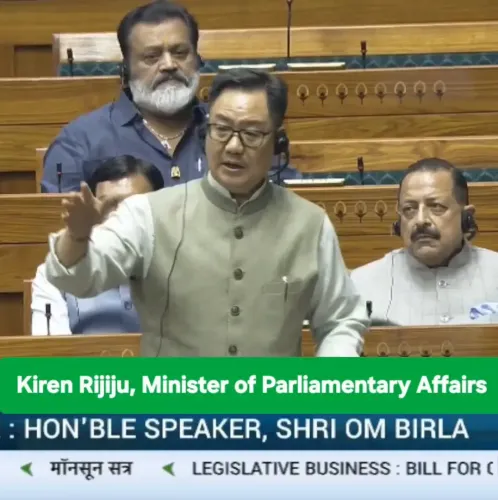
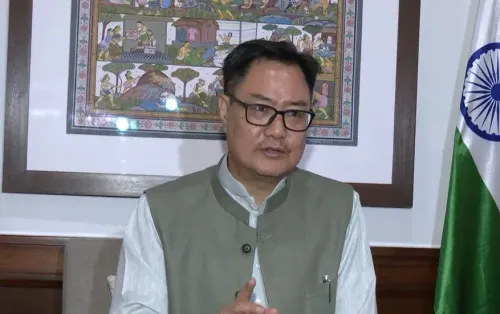
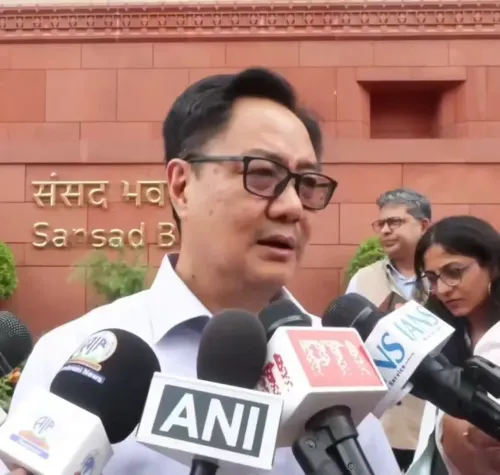
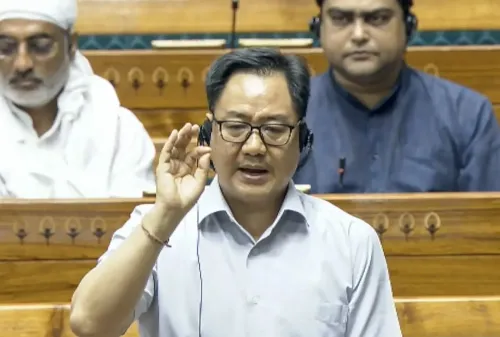
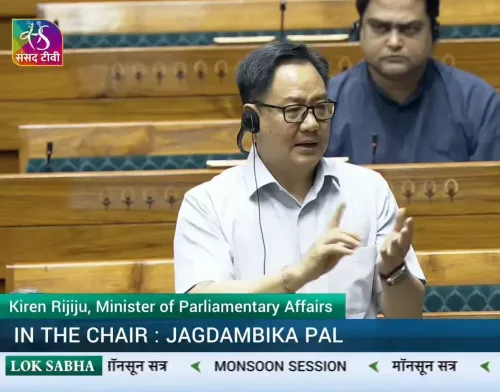
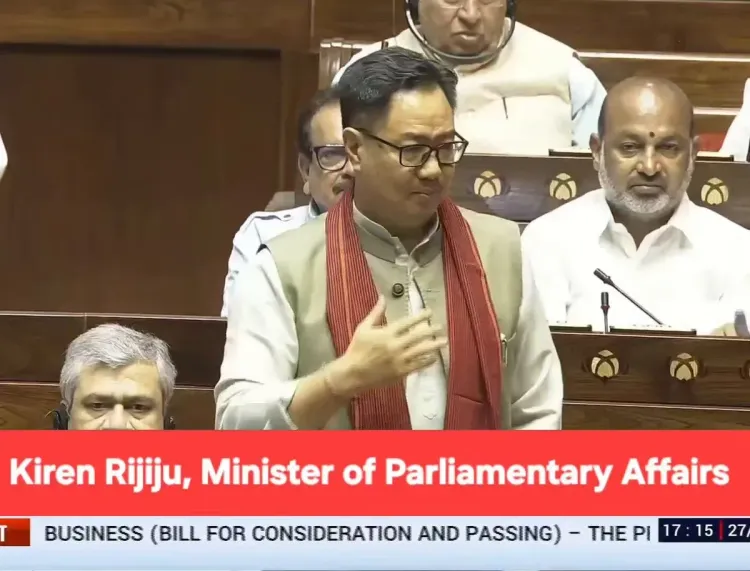
Union Parliamentary Affairs Minister Kiren Rijiju has publicly criticised the Congress party for impeding debate on the Public Examinations (Prevention of Unfair Means) Amendment Bill 2026, calling the legislation vital to safeguarding student welfare and examination integrity across India.
Key Takeaways
Kiren Rijiju , Union Parliamentary Affairs Minister, publicly expressed strong displeasure with the Congress party on 27 July 2026 .
He called for parliamentary discussion on the Public Examinations (Prevention of Unfair Means) Amendment Bill 2026 .
The bill proposes to amend the Public Examinations (Prevention of Unfair Means) Act, 2024 — India's first dedicated central law against exam malpractice.
Key examination bodies affected include UPSC , SSC , and the National Testing Agency (NTA) .
Rijiju framed the amendment as essential to protecting 'the future of our students', raising the political stakes ahead of the parliamentary session.
Union Parliamentary Affairs Minister Kiren Rijiju on Monday, 27 July 2026 publicly expressed strong displeasure with the Indian National Congress, calling for parliamentary debate on the Public Examinations (Prevention of Unfair Means) Amendment Bill 2026, framing the legislation as essential to protecting the future of Indian students.
Context
Posting on X, Rijiju wrote: 'I'm very upset with Congress Party. We must discuss on Public Examinations (Prevention of Unfair Means) Amendment Bill 2026 for setting better provisions for the future of our students.' The statement signals a direct political confrontation between the ruling BJP and the principal opposition over the proposed amendment to a landmark examination-integrity law.
The post comes as Parliament navigates a packed legislative calendar. Rijiju, as the minister responsible for managing government business in both Houses, holds a pivotal role in scheduling and steering bills through parliamentary proceedings.
Policy Backdrop
The amendment bill seeks to build on the Public Examinations (Prevention of Unfair Means) Act, 2024 — the first dedicated central law targeting malpractice in high-stakes national examinations conducted by bodies such as UPSC, SSC, and the National Testing Agency (NTA). That legislation introduced stringent criminal penalties for paper leaks, impersonation, and organised cheating networks.
The 2024 Act was itself a legislative response to a wave of examination scandals that triggered widespread student protests and intense judicial scrutiny. An amendment in 2026 would typically aim to close implementation gaps and address enforcement challenges identified in the roughly two years since the original law came into force.
The Department of Personnel and Training and the NTA are among the key administrative bodies whose operational rules could be affected by any changes to the parent legislation.
Stakeholders and Impact
Millions of aspirants who appear annually in competitive examinations — from civil services to central recruitment tests — stand as the primary stakeholders in any strengthening of the anti-cheating framework. Student groups and civil society organisations have consistently demanded tougher deterrents and faster prosecution of those responsible for paper leaks.
The Congress party's position on the amendment bill has not been publicly detailed, but Rijiju's frustration suggests the opposition has either opposed, stalled, or demanded significant changes to the proposed legislation in pre-session or committee discussions. The political stakes are high: examination integrity has become a potent electoral issue, particularly among young voters.
What's Next
The immediate question is whether the Public Examinations (Prevention of Unfair Means) Amendment Bill 2026 will be tabled and debated in the ongoing or upcoming parliamentary session. Rijiju's public statement may be intended to build pressure on the opposition to allow floor time for the bill without disruption.
Observers will watch for any formal listing of the bill on the parliamentary agenda, statements from the Congress leadership clarifying their objections, and any accompanying rule changes from the NTA or Department of Personnel and Training. If passed, the amended law would set a stronger legal foundation for examination integrity at the national level — a reform that student welfare advocates have long demanded.
Point of View
While simultaneously positioning the BJP as the defender of student interests on a deeply emotive issue. Examination integrity has evolved from a policy concern into a first-order political battleground since the paper-leak controversies of recent years. By personalising his frustration and invoking student welfare, Rijiju is framing any opposition resistance as anti-student — a narrative the ruling party has used effectively in election cycles. The amendment bill's fate will test whether Parliament can move past adversarial posturing on an issue that enjoys rare cross-partisan public support.
NationPress
28 Jul 2026
Frequently Asked Questions
What is the Public Examinations Prevention of Unfair Means Amendment Bill 2026?
The Public Examinations (Prevention of Unfair Means) Amendment Bill 2026 is a proposed legislation to strengthen the existing 2024 Act that criminalises paper leaks, impersonation, and other malpractices in national-level public examinations conducted by bodies such as UPSC, SSC, and NTA.
Why is Kiren Rijiju upset with Congress?
Rijiju stated he is 'very upset' with the Congress party in the context of the amendment bill, implying the opposition is hindering parliamentary debate on the legislation meant to protect students from exam malpractice.
What was the Public Examinations Prevention of Unfair Means Act 2024?
The Public Examinations (Prevention of Unfair Means) Act, 2024 was India's first dedicated central law against malpractice in high-stakes examinations, introducing stringent criminal penalties for offences like paper leaks and impersonation in exams by UPSC, SSC, and NTA.
Which exams does the anti-cheating law cover in India?
The existing law and the proposed amendment cover examinations conducted by central bodies including UPSC (civil services), SSC (staff selection), and the National Testing Agency (NTA) , which conducts entrance tests such as NEET and JEE.
When will the Public Examinations Amendment Bill 2026 be tabled in Parliament?
No official date has been confirmed. The tabling and debate schedule will depend on the parliamentary agenda for the ongoing or upcoming session, and on whether the government and opposition reach an understanding on floor time.