Rijiju Urges Gen Z to Back Development Over Opposition Politics
Synopsis
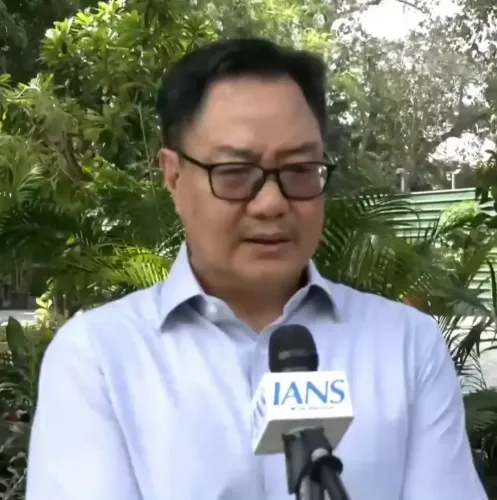
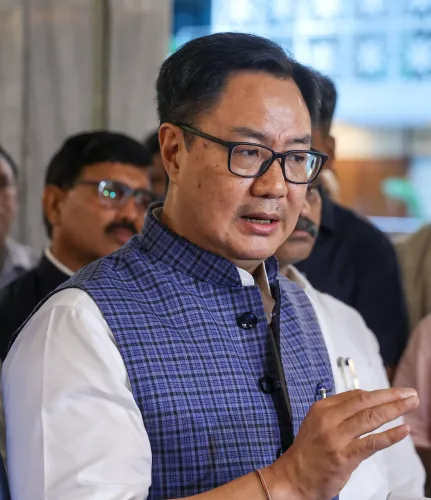
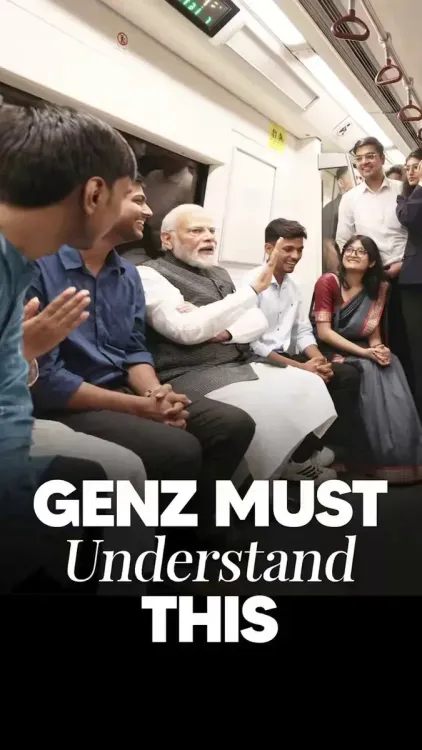
Union Parliamentary Affairs Minister Kiren Rijiju on June 23 urged India's Gen Z to align with the nation-building vision rather than what he termed reflexive opposition politics, reaffirming India's 'Development First' resolve on technology, governance, infrastructure and Atmanirbhar Bharat.
Key Takeaways
Kiren Rijiju posted in Hindi on June 23, 2026 , directing a message at India's Gen Z about nation-building versus opposition politics.
He distinguished between a 'positive nation-building mindset' and what he called 'the mentality of opposing everything' — framing them as fundamentally incompatible.
The minister said those who question achievements in technology, good governance, infrastructure and Atmanirbhar Bharat stand with 'the politics of opposition', not with India's development journey.
Atmanirbhar Bharat Abhiyan was launched in May 2020 and has since expanded across defence, semiconductors, renewables and digital sectors.
The message aligns with the ruling party's broader Viksit Bharat 2047 narrative, which targets developed-nation status by India's independence centenary.
Youth outreach of this kind is expected to intensify ahead of upcoming state elections and parliamentary sessions.
Union Parliamentary Affairs Minister Kiren Rijiju on Tuesday, June 23, 2026, called on India's Generation Z to distinguish between a constructive nation-building mindset and what he described as a reflexive culture of opposition, asserting that India continues to advance on its development path with confidence and clarity of vision.
Context
Posting in Hindi on X, Rijiju wrote: 'भारत आज विकास के निर्णायक दौर में है' ('India today is at a decisive stage of development'). He urged young Indians to recognise that a positive outlook toward nation-building and a mindset of opposing everything are fundamentally different stances. 'These very youth are the future of a developed India,' he said.
The minister specifically called out those who, in his words, 'question every achievement in technology, good governance, infrastructure and Atmanirbhar Bharat' — framing such critics as aligned not with India's development journey but with the politics of opposition alone. He closed by affirming that despite criticism, India moves forward with a 'Development First' resolve.
Policy Backdrop
The Atmanirbhar Bharat Abhiyan (Self-Reliant India Mission) was launched by Prime Minister Narendra Modi in May 2020 during the COVID-19 pandemic to boost domestic manufacturing, reduce import dependence, and strengthen strategic sectors. The initiative has since expanded to cover defence production, semiconductors, renewable energy, and digital infrastructure.
Large-scale infrastructure programmes — including Bharatmala (highways), Sagarmala (ports and waterways), and PM Gati Shakti (multimodal connectivity) — have formed the backbone of the government's development narrative since 2014. The Viksit Bharat 2047 target, which aims to make India a developed nation by the centenary of its independence, has become the overarching frame for these efforts.
Stakeholders and Impact
Gen Z Indians — broadly those born between the late 1990s and early 2010s — represent a significant and growing share of the electorate. Youth outreach has been a consistent element of the BJP's communication strategy, positioning nation-building as a non-partisan, aspirational agenda rather than a political one.
Rijiju's post reflects a broader pattern in which the ruling party frames political criticism of governance outcomes as obstructionist, while presenting its own record on technology adoption, infrastructure expansion, and self-reliance as objective, measurable progress. Opposition parties have consistently contested this framing, arguing that scrutiny of government policy is a democratic necessity, not a barrier to development.
What's Next
The tone of Rijiju's message — directed squarely at young voters and framed around a 'Development First' slogan — is likely to be echoed in the ruling party's outreach ahead of upcoming state elections and as the 2047 vision narrative intensifies. Any new initiatives from the Ministry of Youth Affairs or education-linked programmes targeting Gen Z could follow as policy complements to this communication push.
Opposition responses during the next parliamentary session will be closely watched to see whether they engage directly with the development-versus-obstruction framing that Rijiju and other senior BJP leaders have been advancing.
Point of View
The message attempts to pre-emptively delegitimise dissent among young voters who may be politically forming their views. This fits a well-established BJP playbook of tying patriotic aspiration to the party's governance record, most visibly through the Viksit Bharat 2047 frame. The 'Development First' slogan signals that this messaging will likely be a recurring motif in the run-up to elections, with youth outreach serving as both a communication and mobilisation strategy.
NationPress
23 Jun 2026
Frequently Asked Questions
What did Kiren Rijiju say about Gen Z and development?
Kiren Rijiju urged India's Gen Z on June 23, 2026, to adopt a positive nation-building mindset and differentiate it from what he called a reflexive culture of opposition, saying young Indians are the future of a developed India.
What is Atmanirbhar Bharat and why did Rijiju mention it?
Atmanirbhar Bharat Abhiyan is the Self-Reliant India Mission launched by Prime Minister Narendra Modi in May 2020 to boost domestic manufacturing and reduce import dependence. Rijiju cited it as one of the key achievements he said critics unfairly question.
What is the Viksit Bharat 2047 vision?
Viksit Bharat 2047 is the central government's goal to make India a fully developed nation by 2047, the centenary of its independence, anchored around infrastructure, technology, and self-reliance programmes.
Why is Kiren Rijiju targeting Gen Z with this message?
Gen Z represents a large and growing share of India's electorate. The BJP has consistently used youth-focused communication to frame nation-building as an aspirational, non-partisan agenda, particularly ahead of state and general elections.
What opposition response is expected to Rijiju's statement?
Opposition parties are likely to contest Rijiju's framing during the next parliamentary session, arguing that scrutiny of government policy is a democratic right and not equivalent to obstructing development.