Saur Sujala Yojana boosts Chhattisgarh farmers, slashes electricity costs
Synopsis
Farmers in Chhattisgarh's Dhamtari district say the state's Saur Sujala Yojana has doubled their income by eliminating costly grid electricity bills through solar-powered irrigation. With uptake rising locally, the scheme is emerging as a tangible model for clean-energy-linked agricultural reform at the grassroots.
Key Takeaways
The Saur Sujala Yojana is a Chhattisgarh government solar irrigation scheme providing solar pumps to farmers to replace grid electricity.
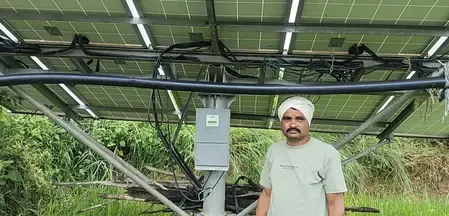
Farmer Indresh Ghate of Dhamtari , who cultivates five acres , reports his income has doubled since installing a solar pump under the scheme.
The scheme has reduced electricity bills for participating farmers and enabled flexible daytime irrigation.
Adoption of the scheme is reportedly increasing across Dhamtari district , with more farmers transitioning to solar energy.
The initiative aligns with the Centre's broader PM-KUSUM programme targeting solar solarisation of agricultural infrastructure nationwide.
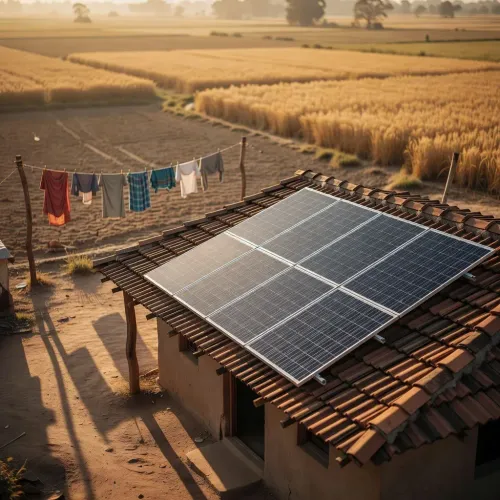
The Saur Sujala Yojana, a solar irrigation scheme launched by the Chhattisgarh government, is delivering measurable economic relief to farmers in Dhamtari district, with beneficiaries reporting sharply lower electricity bills and higher net incomes after installing solar-powered irrigation pumps on their fields.
How the Scheme Works
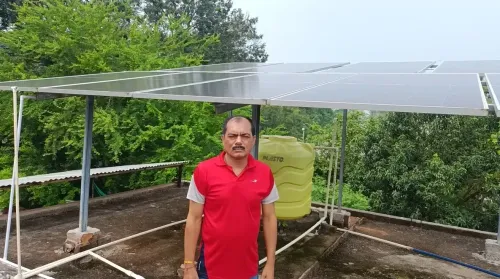
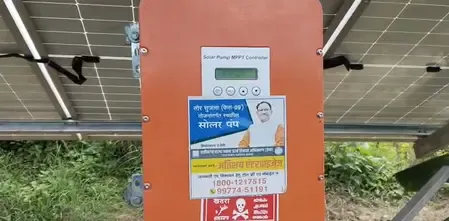
Under the Saur Sujala Yojana, eligible farmers receive support to install solar pumps, replacing their dependence on costly grid electricity for agricultural irrigation. The shift to solar energy allows farmers to irrigate their fields at any time during the day without incurring variable power charges — a significant change for smallholders who previously budgeted heavily for electricity costs across sowing and harvesting seasons.
Farmers Speak: From High Bills to Doubled Income
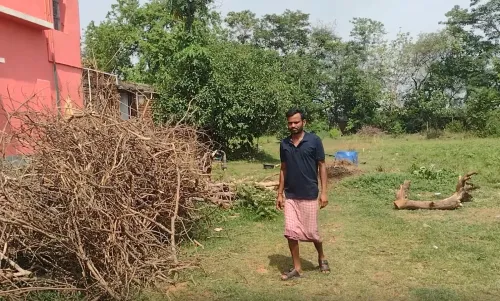
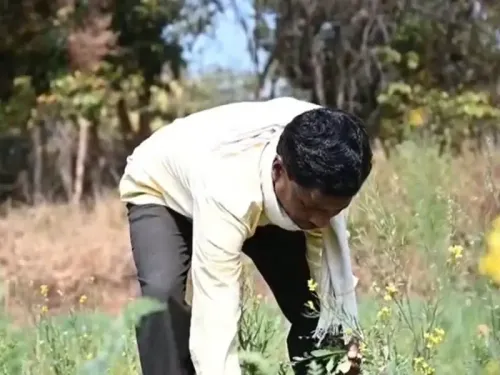
Indresh Ghate, a farmer who cultivates five acres of land in Dhamtari, described the scheme's direct impact on his finances. 'I cultivate five acres of land. Previously, I had to depend on grid electricity for irrigation, which resulted in very high electricity bills. Upon learning about the Saur Sujala Yojana, I had solar panels installed on my farm. This has freed me from high electricity bills and has doubled my income,' he said.
Ghate added that beyond the financial relief, the convenience of on-demand daytime irrigation has also improved his farming operations. He credited the scheme with making him more self-reliant and described solar energy adoption as environmentally friendly — aligning lower costs with reduced carbon dependence.
Wider Adoption Across Dhamtari
According to reports, farmers across Dhamtari district are increasingly subscribing to the scheme and transitioning to solar-based irrigation. The local uptake suggests growing awareness of the programme's financial benefits, with agriculture becoming both more cost-effective and less grid-dependent for participating households.
Significance for Chhattisgarh's Agricultural Sector
The Saur Sujala Yojana fits within a broader national push to expand renewable energy access to rural and agrarian communities. Solar irrigation reduces the burden on state electricity distribution networks while insulating farmers from tariff hikes. This comes amid ongoing efforts by several state governments to align agricultural subsidies with clean energy transitions. Notably, Chhattisgarh's scheme is one of several state-level solar pump initiatives running alongside the Centre's PM-KUSUM programme, which targets solarisation of agricultural feeders and individual pump sets across India.
With solar adoption reportedly rising in Dhamtari, the scheme's continued rollout will be watched as a potential model for other agrarian districts in the state.
Point of View
But individual testimonials — especially those gathered through government-facilitated outreach — should be weighed against district-wide adoption and income data, which are not yet publicly available. The claim of 'doubled income' is striking but unverified beyond a single farmer's account. More broadly, state solar pump schemes have a mixed record nationally: subsidy delivery has at times been slow, and maintenance of installed units in rural areas remains an underreported challenge. The real measure of this scheme's success will be whether it scales equitably to smaller and marginal landholders, not just those with the land and awareness to enrol early.
NationPress
2 Nov 2026
Frequently Asked Questions
What is the Saur Sujala Yojana in Chhattisgarh?
The Saur Sujala Yojana is a solar irrigation scheme run by the Chhattisgarh government that supports farmers in installing solar-powered pumps to replace expensive grid electricity for agricultural irrigation. It aims to reduce farming costs and improve income for rural cultivators.
How has the Saur Sujala Yojana benefited farmers in Dhamtari?
Farmers in Dhamtari district report significantly lower electricity bills and greater convenience in irrigating their fields after switching to solar pumps under the scheme. Farmer Indresh Ghate, who farms five acres, says the scheme has doubled his income by eliminating high grid electricity costs.
Who is eligible for the Saur Sujala Yojana?
The scheme targets farmers in Chhattisgarh who rely on grid electricity for irrigation. Residents of Dhamtari and other districts can subscribe to the programme and have solar pumps installed on their agricultural land, according to reports from the district.
How does the Saur Sujala Yojana relate to the Centre's PM-KUSUM scheme?
The Saur Sujala Yojana is a state-level initiative that runs alongside the Centre's PM-KUSUM programme, which aims to solarise agricultural feeders and individual pump sets across India. Both schemes share the goal of reducing farmer dependence on subsidised or expensive grid power through renewable energy.
Is solar irrigation environmentally beneficial for farmers?
Yes, according to beneficiaries and programme advocates. By replacing diesel generators or grid electricity — often sourced from fossil fuels — with solar energy, the scheme reduces carbon emissions at the farm level while also lowering operational costs, making it both an economic and environmental intervention.