Supreme Court Approves Deputation of Officials from Jharkhand and Orissa High Courts to West Bengal for Voter Claims Resolution
Synopsis
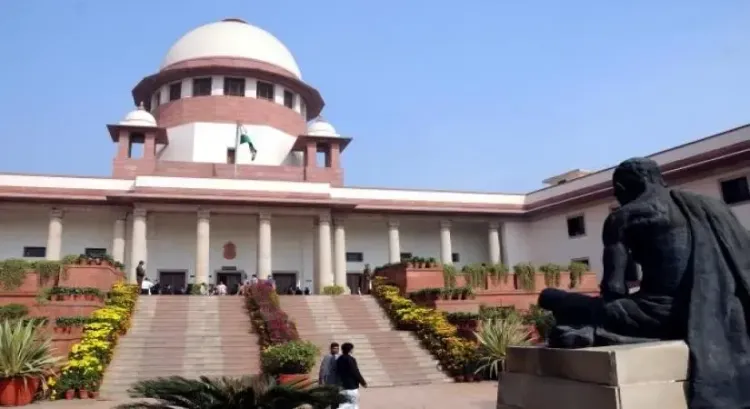
In a crucial decision, the Supreme Court has allowed judicial officials from Jharkhand and Orissa to assist in resolving voter claims in West Bengal. This move aims to expedite the Special Intensive Revision of electoral rolls, ensuring timely electoral processes.
Key Takeaways
Supreme Court's decision aims to resolve substantial voter claims backlog.
Judicial officers from Jharkhand and Orissa will assist in West Bengal.
Approximately 80 lakh applications pending adjudication.
Final electoral roll deadline is February 28, 2026.
ECI will cover expenses for deputed officers.
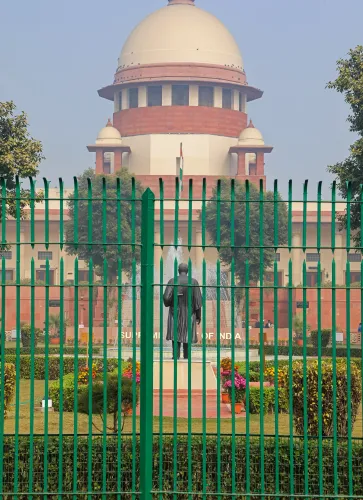
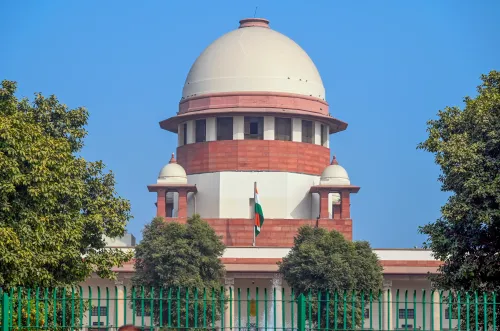
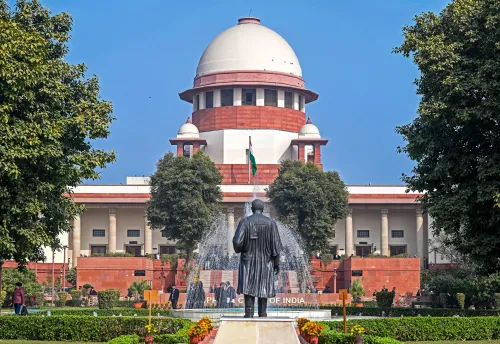
On February 24, in a significant ruling, the Supreme Court allowed the assignment of judicial officers from the neighboring High Courts of Jharkhand and Orissa to West Bengal. This move is aimed at accelerating the resolution of voter claims and objections related to the ongoing Special Intensive Revision (SIR) of electoral rolls in this election-focused state.
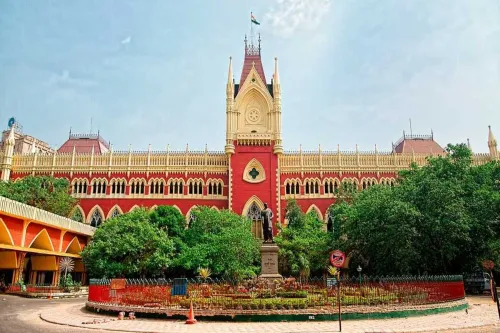
A bench led by Chief Justice of India (CJI) Surya Kant along with Justices Joymalya Bagchi and Vipin Pancholi issued these directives after receiving a report from the Chief Justice of the Calcutta High Court regarding a substantial backlog of cases involving voters categorized as having "logical discrepancies" and those in an "unmapped category".
The communication presented to the Supreme Court indicated that there are approximately 80 lakh applications pending adjudication, yet only around 250 judicial officers, mainly comprising District Judges and Additional District Judges, are currently involved in the process.
The Calcutta High Court has projected that, even if each officer addresses 250 cases daily, it would take about 80 days to clear the backlog.
Considering the deadline for finalizing the electoral roll set for February 28, 2026, the bench permitted the deployment of Civil Judges (Senior Division) and Civil Judges (Junior Division) with a minimum of three years' experience to aid in the SIR initiative.
Furthermore, the Supreme Court granted the Chief Justice of the Calcutta High Court the authority to seek additional assistance from nearby High Courts if more manpower becomes necessary.
The court stated that both serving and retired judicial officers from the Jharkhand and Orissa High Courts may be assigned to West Bengal for the specific purpose of verifying outstanding claims.
Expenses related to travel, accommodation, and honoraria for these officers will be covered by the Election Commission of India (ECI).
The CJI Kant-led bench clarified that the ECI may proceed with the release of the final electoral roll on February 28, regardless of any pending adjudication of certain matters.
Exercising its authority under Article 142 of the Constitution, the Supreme Court declared that voters whose names are included in supplementary electoral lists will be considered part of the final electoral roll published on February 28.
Point of View
The court is taking proactive measures to manage the substantial backlog of cases effectively, thereby facilitating a smooth electoral experience for voters in West Bengal.
NationPress
22 Sept 2026
Frequently Asked Questions
Why did the Supreme Court allow deputation of officials?
The Supreme Court permitted the deputation to expedite the adjudication of voter claims and objections due to a significant backlog of cases in West Bengal.
How many applications are pending adjudication?
Approximately 80 lakh applications are pending adjudication in West Bengal.
What is the deadline for finalizing the electoral roll?
The deadline for finalizing the electoral roll is set for February 28, 2026.
Who will bear the expenses for the deputed officials?
The Election Commission of India will cover the expenses related to travel, boarding, lodging, and honoraria for the deputed officials.
What authority did the Supreme Court invoke for this decision?
The Supreme Court invoked its powers under Article 142 of the Constitution to facilitate this process.