Supreme Court Backs CBI Probe into ED Officials' Ranchi FIR
Synopsis
The Supreme Court refused to stay the CBI probe into an FIR against ED officials in Ranchi, dismissing Jharkhand's plea. The ruling reinforces a High Court order transferring the case from state police to CBI — a major setback for the Hemant Soren government amid its ongoing tensions with central investigative agencies.
Key Takeaways
The Supreme Court on April 25, 2025 , refused to stay the CBI investigation into the Ranchi FIR against Enforcement Directorate officials .
A bench of Justice M.M.
Sundresh and Justice N.
Kotiswar Singh dismissed the Jharkhand government's Special Leave Petition .
The FIR was filed by Santosh Kumar , a state employee accused in a money laundering case, who alleged assault by ED officials on January 12 .
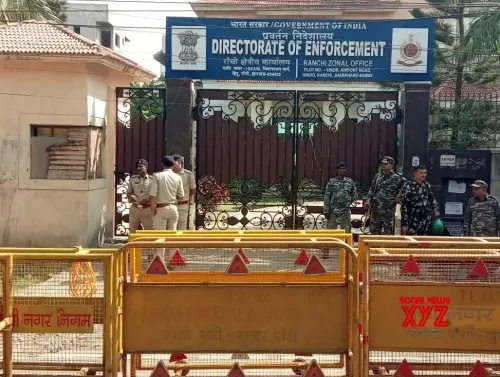
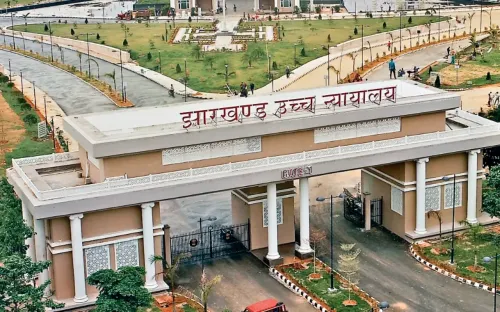
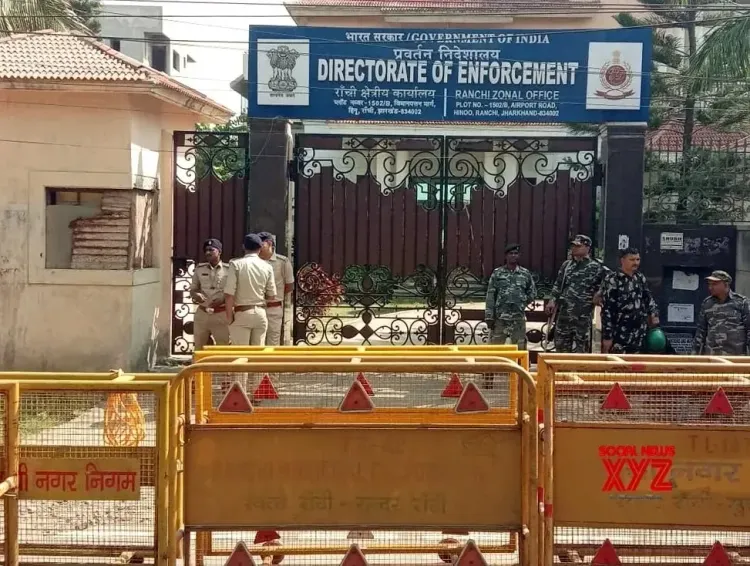
The Jharkhand High Court had on March 11 transferred the probe to the CBI, stayed state police investigation, and ordered paramilitary security at the ED's Ranchi office .
Senior Advocate Meenakshi Arora appeared for the Jharkhand government but failed to secure any relief from the apex court.
The CBI will now proceed with an unimpeded probe, with significant political implications for the Hemant Soren-led Jharkhand government .
The Supreme Court of India on Friday, April 25, dealt a significant blow to the Jharkhand government by refusing to stay the Jharkhand High Court's order that transferred the investigation of an FIR against Enforcement Directorate (ED) officials in Ranchi to the Central Bureau of Investigation (CBI). The apex court's decision clears the path for an uninterrupted central probe into allegations of assault and mental harassment against ED personnel.
Supreme Court Dismisses Jharkhand's Plea
A bench comprising Justice M.M. Sundresh and Justice N. Kotiswar Singh dismissed the state government's petition, which had sought to halt the CBI investigation and challenged the High Court's earlier ruling. Senior Advocate Meenakshi Arora, representing the Jharkhand government, argued in favour of a stay on the probe, but the court declined to provide any relief.
The dismissal effectively validates the Jharkhand High Court's order dated March 11, issued by Justice Sanjay Kumar Dwivedi, which handed over the investigation to the CBI, stayed the state police's inquiry, and directed that the security of the ED office in Ranchi be entrusted to paramilitary forces.
Background: How the Controversy Began
The case originates from a complaint filed by Santosh Kumar, an employee of the state's Drinking Water and Sanitation Department, who is also an accused in a money laundering case. He alleged that on January 12, he was physically assaulted and subjected to mental harassment by ED officials during questioning at the agency's Ranchi office.
Acting on the complaint, the Ranchi Police registered an FIR at the Airport Police Station against ED officials. The subsequent visit of police personnel to the ED office sparked a fierce controversy, with the Enforcement Directorate calling it illegal interference in the functioning of a central government agency and alleging mala fide intent on the part of the state administration.
ED vs. State Police: A Battle of Jurisdiction
The ED moved the Jharkhand High Court, arguing that the state police's actions amounted to obstruction of a federal investigative body. The High Court agreed, ordering a CBI-led impartial probe and removing the state police from the investigation entirely.
The Jharkhand government then filed a Special Leave Petition (SLP) before the Supreme Court, asserting that the state police had the legal jurisdiction to investigate the matter. The apex court's refusal to intervene has now conclusively settled that question — at least for now — in favour of the CBI.
Why This Ruling Matters: Power, Jurisdiction, and Federalism
This case is far more than a jurisdictional dispute — it reflects a deepening tension between state governments and central investigative agencies across India. The Jharkhand government, led by the Jhemsp Congress alliance, has frequently found itself in conflict with central agencies, particularly the ED, over money laundering investigations linked to state officials and politicians.
Critics argue that the registration of an FIR against ED officials by state police — and the subsequent police visit to the ED office — was a politically motivated attempt to intimidate central investigators. Supporters of the state government counter that it was a lawful response to credible allegations of custodial abuse. The Supreme Court's order, however, signals that the judiciary is not inclined to let the state shield itself from scrutiny through procedural manoeuvres.
This comes amid a broader national pattern where multiple opposition-ruled states — including West Bengal, Tamil Nadu, and Kerala — have clashed with central agencies over jurisdiction and alleged overreach. The Jharkhand episode adds to a growing body of case law that may ultimately define the limits of state police authority when it comes to investigating central government bodies.
What Happens Next
With the Supreme Court's decision, the CBI will now proceed unimpeded with its investigation into the Ranchi FIR. The paramilitary security arrangement at the ED's Ranchi office will also remain in place. Legal observers suggest the Jharkhand government may attempt to challenge the matter again at a later stage, but for now, the central agency's position has been significantly strengthened.
The outcome of the CBI probe could have significant political implications for the Hemant Soren-led government, particularly if the investigation reveals any evidence of state-level interference in federal law enforcement. All eyes will now be on the CBI's next steps and whether the probe leads to formal charges against any state officials.
Point of View
And the state police swiftly mobilise to the ED's doorstep. Whether this was genuine rights protection or political interference is precisely what the CBI must now determine. At a time when centre-state tensions over investigative jurisdiction are at a historic high, this ruling reaffirms that the judiciary will not allow procedural tactics to derail accountability.
NationPress
2 Oct 2026
Frequently Asked Questions
Why did the Supreme Court refuse to stay the CBI probe into the Ranchi ED FIR?
The Supreme Court dismissed the Jharkhand government's plea because it found no grounds to halt the CBI investigation ordered by the Jharkhand High Court. The bench of Justices M.M. Sundresh and N. Kotiswar Singh declined to grant any relief to the state.
What is the Ranchi FIR against ED officials about?
The FIR was filed by Santosh Kumar, a state government employee and money laundering accused, who alleged he was assaulted and mentally harassed by ED officials during questioning at their Ranchi office on January 12. Ranchi Police registered the case at the Airport Police Station.
Why was the case transferred from Ranchi Police to the CBI?
The Jharkhand High Court ordered the transfer on March 11, citing the need for an impartial investigation. Justice Sanjay Kumar Dwivedi also stayed the state police probe and directed paramilitary deployment at the ED office.
What is the Jharkhand government's argument in this case?
The Jharkhand government argued that state police had the legal jurisdiction to investigate the FIR and challenged the High Court's transfer order through a Special Leave Petition. The Supreme Court rejected this argument by refusing to intervene.
What happens now that the Supreme Court has refused to stay the CBI probe?
The CBI will continue its investigation into the Ranchi FIR against ED officials without any interference from state police. Paramilitary security at the ED's Ranchi office will also remain in place as per the High Court's order.