SC Collegium recommends Chief Justices for Patna, Calcutta, Bombay, P&H HCs
Synopsis
The Supreme Court Collegium, in a single sitting on 6 August 2026, recommended Chief Justices for four High Courts — Patna, Calcutta, Bombay, and Punjab & Haryana — and ordered the transfer of two Orissa HC judges. The sweep of six courts in one meeting underscores the scale of leadership vacancies the judiciary is racing to address.
Key Takeaways
The Supreme Court Collegium , chaired by CJI Surya Kant , met on 6 August 2026 and recommended Chief Justices for four High Courts .
Kameswar Rao (Delhi HC) recommended as Chief Justice of Patna HC ; Justice Ravindra V.
Ghuge (Bombay HC) for Calcutta HC .
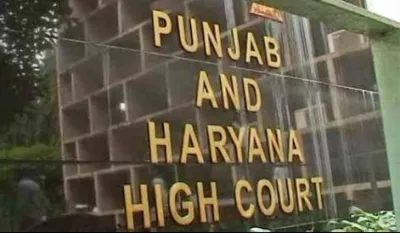
Justice Mahesh Chandra Tripathi (Allahabad HC) recommended for Bombay HC ; Justice Ashwani Kumar Mishra recommended to head Punjab and Haryana HC .
Justice Manash Ranjan Pathak transferred from Orissa HC to Gujarat HC ; Justice Krushna Ram Mohapatra transferred from Orissa HC to Chhattisgarh HC .
Recommendations now move to the Centre for processing under the memorandum of procedure before Presidential approval.
The Supreme Court Collegium, chaired by Chief Justice of India Surya Kant, on 6 August 2026 recommended the appointment of four judges as Chief Justices of the Patna, Calcutta, Bombay, and Punjab and Haryana High Courts. The recommendations were published on the Supreme Court's official website and will now be processed by the Centre under the existing memorandum of procedure governing High Court appointments.
Key Appointments Recommended
Justice V. Kameswar Rao of the Delhi High Court has been recommended as Chief Justice of the Patna High Court. Justice Ravindra V. Ghuge of the Bombay High Court has been recommended for the top post at the Calcutta High Court.
Justice Mahesh Chandra Tripathi of the Allahabad High Court has been recommended as Chief Justice of the Bombay High Court. Justice Ashwani Kumar Mishra, currently serving in the Punjab and Haryana High Court with Allahabad as his parent High Court, has been recommended to head that same court as its Chief Justice.
Two Judges Recommended for Transfer
In a separate resolution from the same 6 August 2026 meeting, the Collegium recommended the transfer of two sitting High Court judges. Justice Manash Ranjan Pathak, whose parent High Court is Gauhati, has been recommended for transfer from the Orissa High Court to the Gujarat High Court. Justice Krushna Ram Mohapatra has been recommended for transfer from the Orissa High Court to the Chhattisgarh High Court.
What the Official Statement Said
The Collegium's published statement read: 'The Supreme Court Collegium in its meeting held on 6th August, 2026 has recommended elevation of Judges as Chief Justices of the High Courts, as mentioned below.' A second statement, covering the transfers, used identical language with 'transfer' in place of 'elevation.'
What Happens Next
The recommendations now move to the Centre for processing under the memorandum of procedure that governs High Court judicial appointments and transfers. Formal warrants of appointment are issued only after the Union government concurs and the President of India approves. Notably, these simultaneous recommendations across six High Courts represent one of the broader single-sitting Collegium exercises in recent months, signalling an effort to fill leadership vacancies that have accumulated across the judiciary.
Point of View
And vacancies at the Chief Justice level directly affect how cause lists are managed and how fast urgent benches are constituted. The real accountability question is not who was recommended, but when these appointments will actually take effect.
NationPress
23 Sept 2026
Frequently Asked Questions
Which High Courts received Chief Justice recommendations from the SC Collegium on 6 August 2026?
The Supreme Court Collegium recommended Chief Justices for four High Courts: Patna, Calcutta, Bombay, and Punjab and Haryana. The recommendations were made at a Collegium meeting held on 6 August 2026 and published on the Supreme Court's official website.
Who has been recommended as Chief Justice of the Bombay High Court?
Justice Mahesh Chandra Tripathi of the Allahabad High Court has been recommended as Chief Justice of the Bombay High Court. Justice Ravindra V. Ghuge, who currently serves in the Bombay High Court, has separately been recommended to head the Calcutta High Court.
Which judges were recommended for transfer and where?
Justice Manash Ranjan Pathak has been recommended for transfer from the Orissa High Court to the Gujarat High Court, while Justice Krushna Ram Mohapatra has been recommended for transfer from the Orissa High Court to the Chhattisgarh High Court. Both recommendations came from the same 6 August 2026 Collegium meeting.
What happens after the SC Collegium makes its recommendations?
The recommendations are forwarded to the Centre, which processes them under the existing memorandum of procedure governing High Court appointments and transfers. Appointments take effect only after the Union government's concurrence and formal approval by the President of India.
Who chairs the Supreme Court Collegium?
The Supreme Court Collegium is chaired by the Chief Justice of India. As of these recommendations dated 6 August 2026, Chief Justice of India Surya Kant heads the Collegium.