Has the Centre Appointed Two New Judges to the Punjab and Haryana High Court?

Synopsis
In a significant move, the Centre has appointed two judges to the Punjab and Haryana High Court. This decision follows thorough consultations and recommendations from the Supreme Court Collegium, showcasing the ongoing commitment to judicial excellence in India.
Key Takeaways
The Centre has appointed two judges to the Punjab and Haryana High Court.
The appointments follow recommendations from the Supreme Court Collegium .
The term for the new judges is two years .
The Chief Justice plays a crucial role in the appointment process.
The decision reinforces the importance of judicial integrity.
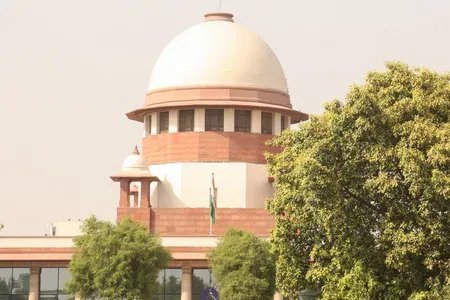
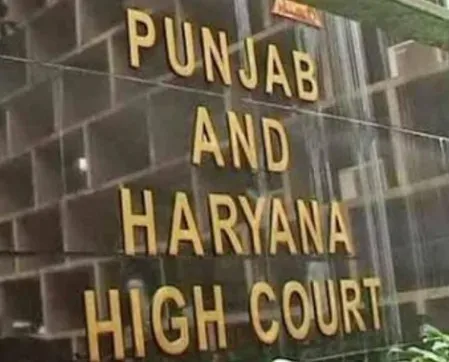
New Delhi, Jan 2 (NationPress) On Friday, the Centre approved the appointment of two judges to the Punjab and Haryana High Court, acting on the Supreme Court Collegium's recommendation.
According to a notification from the Union Ministry of Law and Justice, "In exercise of the power conferred by clause (1) of Article 224 of the Constitution of India, the President is pleased to appoint i) Shri Ramesh Chander Dimri and ii) Ms. Neerja Kulwant Kalson as Additional Judges of the Punjab and Haryana High Court for a term of two years from the date they take charge of their respective offices."
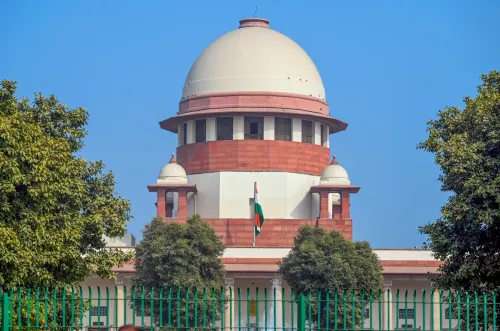
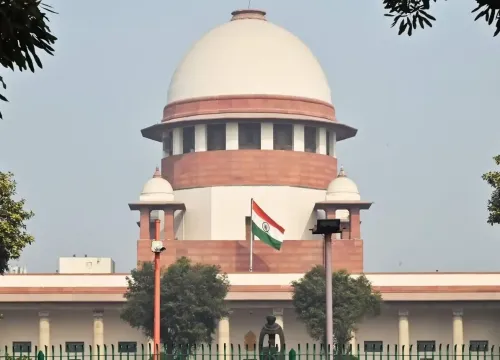
The Supreme Court Collegium, led by Chief Justice of India (CJI) Surya Kant, endorsed the elevation of these two judicial officers during its meeting on December 16, 2025.
The initiative for the appointments of Ramesh Chander Dimri and Neerja Kulwant Kalson originated from the Chief Justice of the Punjab and Haryana High Court, who consulted with his two senior-most colleagues.
As stipulated in the memorandum of procedure (MoP) governing High Court judge appointments, the Chief Justice must initiate the proposal.
If the Chief Minister intends to recommend any name, it must be sent to the Chief Justice for evaluation. The Governor, advised by the Chief Minister, should promptly submit his recommendation along with all relevant documents to the Union Minister of Law and Justice, ideally within six weeks from receiving the proposal from the Chief Justice of the High Court.
The Centre then reviews the proposal along with additional background information before forwarding it to the Chief Justice of India (CJI), who consults two senior-most Supreme Court judges before finalizing a recommendation.
After consultations, the CJI will send his recommendation to the Union Minister of Law and Justice within four weeks. According to the MoP, once the President signs the appointment warrant, the Secretary of the Department of Justice will notify the Chief Justice, with a copy also sent to the Chief Minister.
The Chief Minister will then announce the appointment and publish the necessary notification in the Gazette of India.
Earlier that day, the Centre also announced the appointment of Justice Mahesh Sharadchandra Sonak, a judge of the Bombay High Court, as the Chief Justice of the Jharkhand High Court, following the retirement of the current Chief Justice Tarlok Singh Chauhan on January 8.
Point of View
I believe this appointment reflects the government's commitment to uphold judicial integrity and efficiency. The process involved extensive consultations, ensuring that competent individuals are placed in critical legal positions. This move will likely enhance the functioning of the Punjab and Haryana High Court, contributing positively to the judicial system.
NationPress
25 Aug 2026
Frequently Asked Questions
Who are the newly appointed judges?
The newly appointed judges are Shri Ramesh Chander Dimri and Ms. Neerja Kulwant Kalson.
What is the term length for the new judges?
The term length for the new judges is two years from the date they assume charge.
Who recommended their appointment?
The appointment was recommended by the Supreme Court Collegium.
What is the role of the Chief Justice in this process?
The Chief Justice initiates the proposal for appointment and consults with senior judges before finalizing recommendations.
What happens after the President signs the appointment?
Once signed, the Secretary of the Department of Justice informs the Chief Justice, and the appointment is published in the Gazette of India.