SC dismisses K N Nehru's plea against FIR in Tamil Nadu corruption case

Synopsis
The Supreme Court has shut the door on former Tamil Nadu Minister K.N. Nehru's bid to block a corruption FIR — leaving intact a Madras High Court order tied to an alleged ₹630–₹1,020 crore cash-for-jobs racket involving 2,538 government appointments. With a new Tamil Nadu government already having registered the FIR, the investigation now proceeds with judicial backing at the highest level.
Key Takeaways
The Supreme Court on 2 November 2026 dismissed former Tamil Nadu Minister K.N.
Nehru's plea challenging the FIR in the MAWS Department corruption case.
A bench of Justices Dipankar Datta and Sheel Nagu upheld both the Madras High Court's February 20 FIR order and its October 26 order dismissing Nehru's review petition.
The ED estimated alleged illegal gratification at between ₹630 crore and ₹1,020 crore for recruitment to 2,538 posts in the MAWS Department.
Digital evidence — including WhatsApp conversations , transfer orders and financial records — was reportedly recovered during ED searches.
Following the 2026 Tamil Nadu Assembly elections , the new state government registered the FIR and withdrew the previous government's review petition.
The apex court clarified that High Court observations will not prevent Nehru from raising his defence at the appropriate stage.
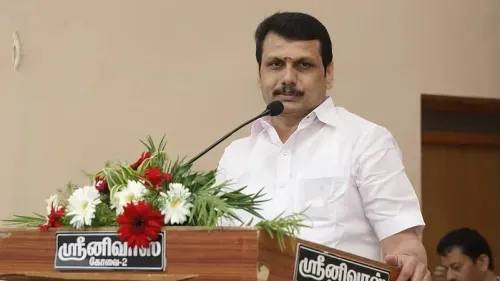
The Supreme Court on Monday, 2 November 2026, dismissed a plea by former Tamil Nadu Minister and senior Dravida Munnetra Kazhagam (DMK) leader K.N. Nehru, refusing to interfere with the Madras High Court's direction to register an FIR in an alleged cash-for-jobs racket involving recruitment to the state's Municipal Administration and Water Supply (MAWS) Department. The apex court's ruling effectively keeps the corruption investigation alive against the former minister.
What the Supreme Court Decided
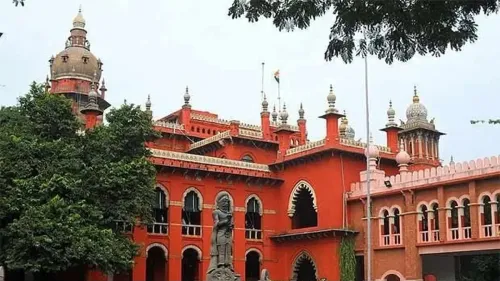
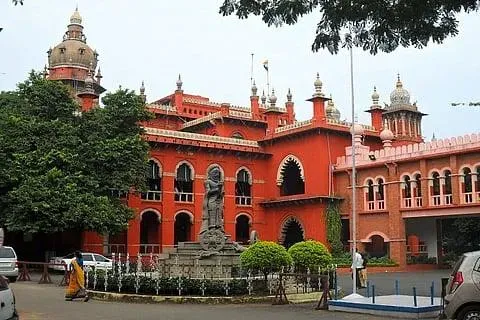
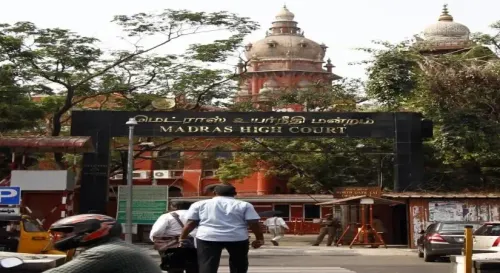
A bench of Justices Dipankar Datta and Sheel Nagu declined to interfere with two key Madras High Court orders — the February 20 judgment directing the Directorate of Vigilance and Anti-Corruption (DVAC) to register a case, and the October 26 order dismissing Nehru's review petition. The bench found no grounds to set aside either order, leaving both the FIR registration and investigation in place.
Notably, the Supreme Court clarified that the High Court's observations would not bar Nehru from raising his defence at the appropriate stage in the proceedings — a standard safeguard that preserves his due-process rights without stalling the probe.
The Corruption Allegations
The case centres on alleged irregularities involving 2,538 posts in the MAWS Department during Nehru's tenure as minister. The Enforcement Directorate (ED) has estimated the alleged illegal gratification at between ₹630 crore and ₹1,020 crore, forwarding evidence to the Tamil Nadu Director General of Police (DGP) in October 2025 and seeking action against the minister and his associates.
According to the ED, the alleged irregularities involved collection of bribes in exchange for government appointments, as well as manipulation of tender processes within the department. The federal financial agency also cited digital evidence — reportedly including WhatsApp conversations, screenshots, transfer orders, and financial records — recovered during searches at premises linked to individuals associated with Nehru.
Nehru's Legal Challenge
Nehru had contended before the Supreme Court that the Madras High Court's February 20 directive was issued without granting him an effective opportunity to be heard, thereby violating the principles of natural justice. The Supreme Court, however, found this argument insufficient to merit intervention.
His legal battle began after the Madras High Court took up petitions seeking action on ED materials, following the state authorities' initial failure to register a case. Both Nehru and the then DMK-led state government had filed review petitions against the February directive.
Change of Government and Fresh FIR
The political backdrop shifted considerably after the 2026 Tamil Nadu Assembly elections. Following the change of government, the new state administration informed the Madras High Court that the DVAC had already registered an FIR and that it intended to withdraw the review petition filed by its predecessor. This development rendered the state's challenge moot, leaving only Nehru's independent petition for the court to adjudicate.
The High Court, on October 26, dismissed Nehru's petition, clarifying that its earlier direction was limited to registration of a case and investigation — not a determination of guilt. With the Supreme Court now affirming that position, the investigation is set to proceed unimpeded.
Point of View
Leaving him exposed. The ₹630–₹1,020 crore estimated gratification range is unusually wide — a detail that suggests the ED's own case may still be evolving. What merits scrutiny is whether the DVAC, which initially failed to register a case despite receiving ED materials, will now investigate with genuine independence or whether it remains susceptible to political direction under the new administration. The court's clarification preserving Nehru's right to defence is procedurally correct, but the real test of the system lies in the quality of investigation that follows.
NationPress
2 Nov 2026
Frequently Asked Questions
What did the Supreme Court decide in the K.N. Nehru corruption case?
The Supreme Court dismissed former Tamil Nadu Minister K.N. Nehru's plea on 2 November 2026, refusing to interfere with the Madras High Court's direction to register an FIR in connection with alleged corruption in the MAWS Department. The ruling leaves both the FIR and the investigation by the DVAC in place.
What are the allegations against K.N. Nehru?
Nehru faces allegations of running a cash-for-jobs racket involving the appointment of 2,538 persons to the Tamil Nadu Municipal Administration and Water Supply (MAWS) Department during his tenure as minister. The ED estimated the alleged illegal gratification at between ₹630 crore and ₹1,020 crore.
Why did Nehru challenge the Madras High Court's order?
Nehru contended that the High Court's February 20 directive to register an FIR was issued without granting him an effective hearing, violating principles of natural justice. The Supreme Court found this argument insufficient to warrant interference.
How did the 2026 Tamil Nadu election change the case?
After the 2026 Tamil Nadu Assembly elections brought a new government to power, the incoming administration informed the Madras High Court that the DVAC had already registered an FIR and withdrew the review petition filed by its predecessor. This left only Nehru's independent petition for the court to decide.
Can K.N. Nehru still defend himself in the case?
Yes. The Supreme Court explicitly clarified that the Madras High Court's observations will not prevent Nehru from raising his defence at the appropriate stage of the proceedings. The ruling determines the FIR must proceed — it does not adjudicate guilt.