SC grants bail to Subodh Agarwal in Jal Jeevan Mission scam
Synopsis
The Supreme Court has granted bail to former Rajasthan Additional Chief Secretary Subodh Agarwal after seven to eight months in custody in the alleged Jal Jeevan Mission scam. The ACB cites a ₹20,000 crore tender nexus and a 17,500-page charge sheet; he denies any personal illegal gratification.
Key Takeaways
The Supreme Court on 25 November 2026 granted bail to former Rajasthan Additional Chief Secretary Subodh Agarwal in the alleged JJM scam.
Agarwal, a retired IAS officer, was arrested by the ACB on 9 April 2026 and spent around seven to eight months in judicial custody.
The Rajasthan High Court had rejected his bail on 13 August 2026 ; the apex court reserved orders on 16 November 2026 .
Justices Dipankar Datta and Sheel Nagu allowed his special leave petition against the High Court order.
The ACB filed an approximately 17,500-page charge sheet, alleging tenders of ₹979.27 crore were awarded on forged documents.
Investigators claimed tender pooling in JJM projects collectively valued at about ₹20,000 crore ; Agarwal has denied receiving illegal gratification.
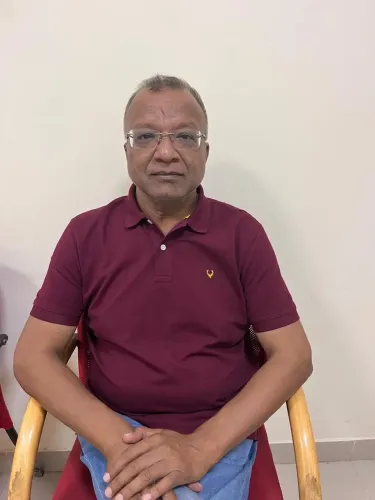
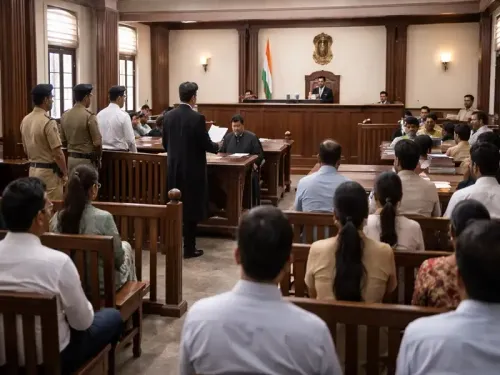
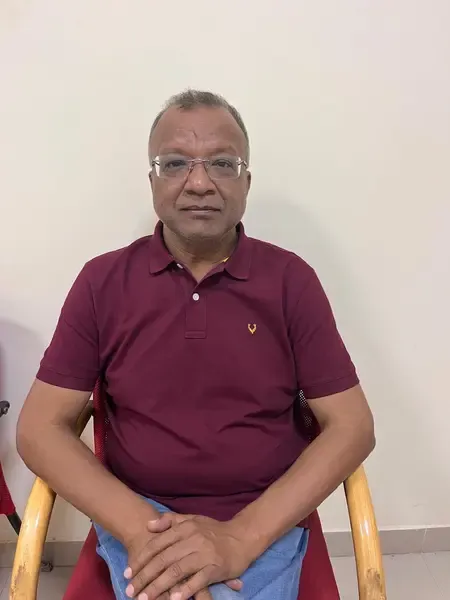
The Supreme Court on Wednesday, 25 November 2026 granted bail to retired IAS officer and former Rajasthan Additional Chief Secretary Subodh Agarwal in the alleged Jal Jeevan Mission (JJM) scam. A Bench of Justices Dipankar Datta and Sheel Nagu passed the order while hearing his special leave petition challenging the Rajasthan High Court's refusal of regular bail. Agarwal, who served as Additional Chief Secretary of Rajasthan's Public Health Engineering Department (PHED), was arrested by the Anti-Corruption Bureau on 9 April 2026 and had remained in judicial custody for around seven to eight months.
How the case reached the Supreme Court
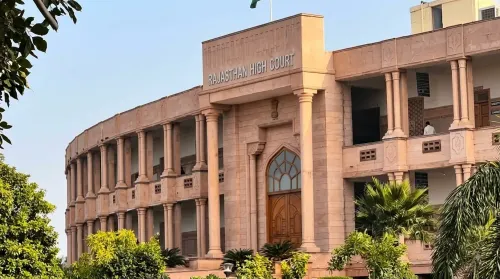
Agarwal moved the apex court after a single-judge Bench of Justice Chandra Prakash Shrimali of the Rajasthan High Court declined regular bail on 13 August 2026, along with several other accused in the same matter. The Supreme Court reserved its order on 16 November 2026 after hearing arguments, and pronounced the bail decision on Wednesday.
In his High Court plea, Agarwal had argued that he was a retired administrative officer who had served the state government for nearly 40 years and had discharged his duties with integrity. He contended that he had no direct involvement in the alleged irregularities and that the investigation had failed to establish that he had personally received any illegal gratification.
What the Anti-Corruption Bureau alleged
Opposing bail, the ACB alleged that Agarwal, while serving as Additional Chief Secretary of the PHED, had misused his official position. In his capacity as chairman of the Finance Committee, he had allegedly facilitated the award of contracts to favoured firms despite complaints concerning forged experience and work-completion certificates.
The High Court, while rejecting his bail application, observed that the allegations against Agarwal were serious in nature and that he had allegedly failed to discharge his official responsibilities despite being aware of irregularities in the tendering process. Those findings were the immediate barrier his special leave petition asked the Supreme Court to look past.
Agarwal's defence on tenders and certificates
It was further argued that Agarwal had acted upon information available to him and that action had been initiated against the concerned contractors after irregularities involving forged and fabricated experience certificates came to light. The defence thus framed him as an officer who responded once the forgeries surfaced, rather than as the person who designed the alleged tender manipulation.
The ACB's case is the opposite: that complaints about forged paperwork were already known, and that the Finance Committee route was still used to favour chosen firms. Notably, the custody fight turned on that clash — alleged facilitation and failure of duty on one side, denial of personal illegal gratification and claimed follow-up action on the other — rather than on a concluded trial finding.
Scale of the alleged Jal Jeevan Mission irregularities
Earlier, the ACB had filed a charge sheet against the retired IAS officer, comprising approximately 17,500 pages, before the Special ACB Court No. 1 in Jaipur. The probe had revealed that tenders worth approximately ₹979.27 crore were allegedly awarded on the basis of forged documents and fabricated work-completion certificates.
The bureau also claimed a wider nexus involving officials of the PHED, contractors and private individuals in manipulating the tendering process under the Jal Jeevan Mission. The investigation further found that tender conditions were deliberately modified to facilitate tender pooling and secure abnormally high tender premiums, resulting in alleged large-scale corruption in projects collectively valued at approximately ₹20,000 crore.
This comes amid closer watch on how a Centrally sponsored rural water mission is executed through state engineering departments and finance committees. The alleged use of forged experience and completion certificates, if proved, would mean public money on piped-water works was steered through a rigged tender pool rather than through genuine competition.
What the bail order changes — and what it does not
Wednesday's order addresses only custody. Agarwal had been in judicial custody since 9 April 2026; the Supreme Court has now granted him bail after the High Court had kept him inside on the gravity of the charges. The voluminous charge sheet remains before the Special ACB Court No. 1 in Jaipur, and the allegations of tender pooling, forged certificates and a PHED–contractor nexus are still to be tried.
Several other accused were also declined bail by the High Court on 13 August 2026. Their status is not altered by this order on the material reported. Who is affected, if the prosecution case is eventually sustained, includes not only the retired officer and co-accused but the rural water projects against which tenders of about ₹979.27 crore were allegedly awarded on forged papers, inside a larger alleged envelope of about ₹20,000 crore.
The Jaipur special court will now have to move a record running to roughly 17,500 pages while Agarwal faces trial off custody. How fast that court tests the ACB's claimed nexus will decide whether the Jal Jeevan Mission case remains a headline about bail or becomes a verdict on the tenders themselves.
Point of View
500-page charge sheet or alleged ₹20,000 crore abuse in a mission meant to put water in village taps. The High Court treated inaction despite awareness as a grave lapse; the Supreme Court has now refused to let pre-trial custody stand in for a verdict against a retired 40-year officer who says no personal gratification was shown. That split is familiar: India still cannot try complex procurement frauds in reasonable time, so jail becomes the sentence. Unless the Jaipur special court can actually test this record, the public will get neither a clean Jal Jeevan Mission nor a completed trial.
NationPress
25 Nov 2026
Frequently Asked Questions
Who is Subodh Agarwal and why was he arrested?
Subodh Agarwal is a retired IAS officer and former Additional Chief Secretary of Rajasthan's Public Health Engineering Department. The Anti-Corruption Bureau arrested him on 9 April 2026 in the alleged Jal Jeevan Mission scam, saying he misused his post and, as Finance Committee chairman, helped favoured firms win contracts despite complaints of forged certificates.
Did the Supreme Court grant bail to Subodh Agarwal in the JJM scam?
Yes. A Bench of Justices Dipankar Datta and Sheel Nagu granted him bail on 25 November 2026. The order came on his special leave petition after the Rajasthan High Court had rejected regular bail on 13 August 2026, and after the apex court reserved its decision on 16 November 2026.
What is the alleged Jal Jeevan Mission scam in Rajasthan?
The ACB has alleged that PHED officials, contractors and private individuals manipulated JJM tendering, including by modifying conditions to enable tender pooling and high premiums. It says tenders worth about ₹979.27 crore were awarded on forged documents, within alleged large-scale corruption in projects valued at about ₹20,000 crore.
What did Subodh Agarwal argue in his bail plea?
He argued that he served the Rajasthan government for nearly 40 years with integrity, had no direct role in the alleged irregularities, and that the probe had not shown he personally received illegal gratification. He also said he acted on information before him and that action was initiated against contractors after forged experience certificates came to light.
What happens next in the Subodh Agarwal JJM case?
The criminal case continues before the Special ACB Court No. 1 in Jaipur, where an approximately 17,500-page charge sheet has already been filed. Wednesday's Supreme Court order deals with bail and custody, not guilt or innocence, and several other accused had also been declined bail by the High Court on 13 August 2026.