Supreme Court notices on plea to recover bypoll costs from MLAs who resign
Synopsis
The Supreme Court has picked up a question that the Election Commission raised in 2004 but Parliament never answered: should MLAs who resign voluntarily and trigger costly bye-elections foot the bill? With six AIADMK legislators at the centre of the Tamil Nadu controversy, the case could redraw the rules on politically motivated resignations nationwide.
Key Takeaways
The Supreme Court issued notice on 27 October 2026 on a plea seeking recovery of bye-election costs from MLAs who resign voluntarily.
Suthan wants an 'Election Expenditure Security' deposit mechanism and a five-year disqualification for such legislators.
Six AIADMK MLAs who resigned weeks after Tamil Nadu Assembly election results on 4 May and joined the ruling party are specifically named in the plea.
The ECI had recommended in 2004 that candidates causing bye-elections by resigning should bear the cost — a proposal unimplemented for over two decades.
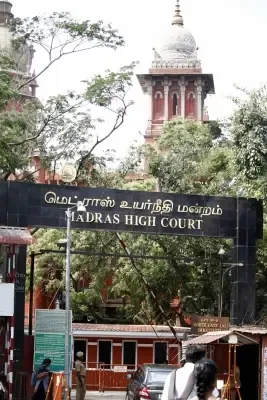
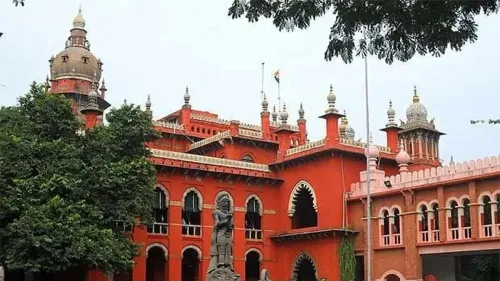
The Madras High Court dismissed the PIL on 24 September , holding that imposing financial conditions on resignation rights requires legislative action, not judicial orders.
The bench of Chief Justice Surya Kant , Justice Joymalya Bagchi , and Justice V.
Mohana has sought responses from the Union government, the ECI, and other parties.
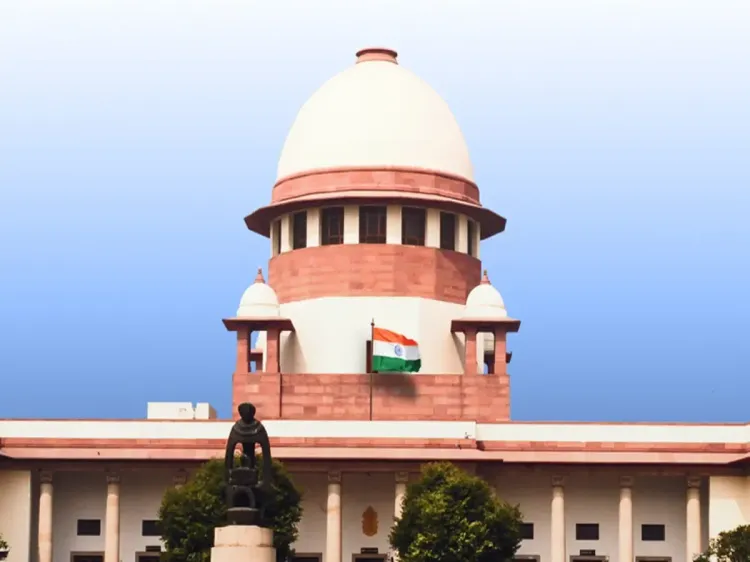
The Supreme Court on 27 October 2026 issued notice on a plea seeking a formal mechanism to recover public expenditure incurred on bye-elections from elected representatives who voluntarily resign their seats without compelling reasons and subsequently seek re-election. The bench has asked the Union government, the Election Commission of India (ECI), and several other parties to respond.
What the Petition Seeks
The plea, filed by advocate K. Suthan, challenges a Madras High Court judgment that dismissed his public interest litigation (PIL) demanding financial accountability for legislators whose voluntary resignations trigger bye-elections at public expense. Suthan has urged the court to direct the introduction of an 'Election Expenditure Security' mechanism, under which a legislator resigning without a legally recognised compelling reason would be required to deposit an amount equal to the cost of the resulting bye-election before being allowed to contest again. He has also sought a five-year disqualification from elections for such legislators.
The Tamil Nadu Background
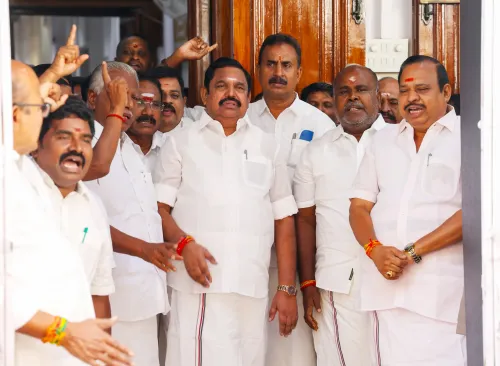
The petition specifically targets six AIADMK legislators who reportedly resigned from their seats within weeks of the Tamil Nadu Assembly election results being declared on 4 May, and subsequently joined the ruling party. According to the plea, the resignations came after disqualification proceedings had been initiated against some of them for allegedly voting against their party whip during a confidence motion. The petitioner contends that the resignations allowed these legislators to sidestep pending proceedings and seek re-election under a different political banner, while burdening the public exchequer with the cost of unnecessary bye-elections.
The ECI's Earlier Recommendation
The plea further highlights that the Election Commission of India had, in its 2004 proposals for electoral reforms, recommended that candidates who cause bye-elections by giving up their seats should bear the associated expenses. That recommendation has remained unimplemented for over two decades, critics argue, enabling a pattern of politically motivated resignations that shift financial costs to taxpayers.
How the High Court Ruled
The Madras High Court had declined to grant the reliefs sought, holding on 24 September that the proposed financial security and five-year disqualification would introduce new substantive features into electoral law. The court observed that creating a fresh financial and punitive regime fell within the domain of legislative policy rather than judicial directions. It held: 'The right to resign from a legislative seat is itself a facet of the constitutional scheme governing membership of a House and cannot be burdened with extra-statutory conditions by judicial order.' Suthan subsequently approached the Supreme Court, which has now issued notice and sought responses from the Union government, the ECI, the Chief Electoral Officer of Tamil Nadu, and the six former MLAs, among others.
What Comes Next
The case places the Supreme Court in the position of examining whether judicial directions can address a gap that Parliament has so far not legislated on. If the court rules in the petitioner's favour, it could reshape the incentive structure around voluntary resignations across all states — a development that would have far-reaching consequences for floor-crossing, defection politics, and the public cost of elections in India.
Frequently Asked Questions
What is the Supreme Court plea about MLA resignations and bypoll expenses?
The plea seeks a court-mandated mechanism requiring MLAs who voluntarily resign their seats — without a compelling reason — to deposit an amount equal to the cost of the resulting bye-election before they can contest again. It also seeks a five-year bar on such legislators contesting elections.
Who filed the plea and why did they approach the Supreme Court?
Advocate K. Suthan filed the plea after the Madras High Court dismissed his PIL on 24 September, holding that imposing financial conditions on an MLA's right to resign requires legislative action. Suthan then moved the Supreme Court challenging that ruling.
Which MLAs are specifically named in the petition?
Six AIADMK legislators who allegedly resigned their Tamil Nadu Assembly seats within weeks of the 4 May election results and subsequently joined the ruling party are named. Disqualification proceedings had reportedly been initiated against some of them for voting against their party whip.
Did the Election Commission ever recommend this kind of reform?
Yes. The Election Commission of India proposed in its 2004 electoral reforms that candidates who cause bye-elections by giving up their seats should bear the associated expenses. That recommendation has not been implemented by Parliament in the more than two decades since.
What did the Madras High Court say when it dismissed the PIL?
The High Court held that the right to resign from a legislative seat is a facet of the constitutional scheme and cannot be burdened with extra-statutory conditions by judicial order. It ruled that creating a financial security deposit or a disqualification period falls within legislative policy, not the scope of judicial directions.