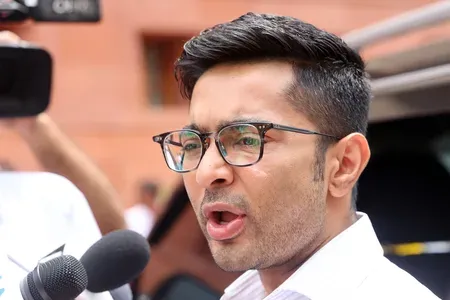
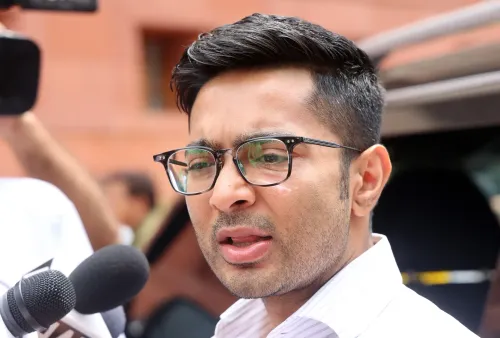
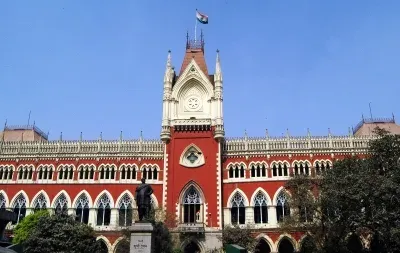
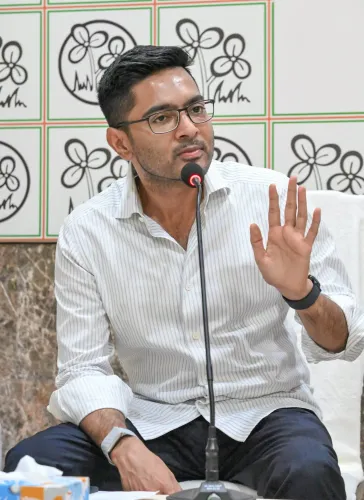
SC shields journalist Abhishek Upadhyay from arrest in UP road-rage FIR
Synopsis
The Supreme Court has shielded journalist Abhishek Upadhyay from arrest over a Ghaziabad road-rage FIR his counsel calls a 'counter blast' to his investigative reporting on the Ram Mandir Trust and alleged UP administration corruption. With CCTV footage allegedly suppressed by police and the complainant reportedly not the bike's owner, the case raises sharp questions about the use of criminal process against journalists covering sensitive stories.
Key Takeaways
The Supreme Court on 25 August granted journalist Abhishek Upadhyay interim protection from arrest in a Ghaziabad road-rage FIR filed by Uttar Pradesh Police .
A bench led by Chief Justice Surya Kant issued notice to the UP government and barred coercive action in the existing or any future FIR against Upadhyay.
The court directed UP Police to supply a copy of the Indirapuram FIR to Upadhyay so he can seek relief from the Allahabad High Court .
Senior advocate Pradeep Rai called the FIR a 'counter blast' to Upadhyay's reporting on alleged irregularities in the Ram Mandir Trust and UP administration.
The plea alleged police pressured establishments near the incident site to delete or withhold CCTV footage .
The matter is next listed for hearing on 7 September ; the Ghaziabad Police Commissioner must file a compliance report.
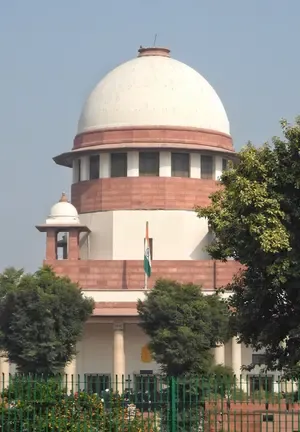
The Supreme Court on Tuesday, 25 August granted interim protection from arrest to journalist Abhishek Upadhyay in connection with an FIR filed by the Uttar Pradesh Police over an alleged road-rage incident in Ghaziabad. The bench also issued notice to the Uttar Pradesh government, directing that no coercive action be taken against Upadhyay in the existing FIR or in any future FIR that may be filed against him.
What the Supreme Court Ordered
A bench headed by Chief Justice of India Surya Kant, along with Justices Joymalya Bagchi and V. Mohana, issued the interim protection order and directed the Uttar Pradesh Police to supply a copy of the FIR — registered at the Indirapuram police station in Ghaziabad — to Upadhyay. The court noted that once he receives the copy, Upadhyay may approach the Allahabad High Court for appropriate relief, including a plea for quashing the FIR.
'Meanwhile, no coercive action shall be taken against the petitioner in the FIR already registered or in such FIR that may be registered against him,' the bench ordered. The Commissioner of Police, Ghaziabad, has been directed to file a compliance report, and the matter is posted for further hearing on 7 September.
The Journalist's Allegations
Senior advocate Pradeep Rai, appearing for Upadhyay, submitted before the court that the FIR was a 'counter blast' to the journalist's investigative reporting — specifically, reports concerning alleged irregularities in the Ram Mandir Trust and alleged corruption in the Uttar Pradesh administration. Rai argued that Upadhyay's 'unpardonable sin' was exposing what he described as the alleged Ayodhya donation scam, and that the allegations in the FIR were baseless.
According to Upadhyay's plea, the road-rage incident allegedly occurred while he was returning home after picking up his minor daughter from school. He claimed a motorcyclist pulled alongside his vehicle and attempted to stop him, causing a commotion. Upadhyay stated he chose not to engage in any confrontation — verbal or physical — given his daughter's presence.
CCTV Footage at the Centre of Dispute
Upadhyay alleged that the incident was staged and that the complainant was planted by state machinery in retaliation for his journalism. His plea further alleged that police personnel had approached nearby shops and establishments and compelled them to delete or withhold CCTV footage from the relevant time period. The plea also pointed out that the owner of the two-wheeler involved in the alleged incident was not the complainant, but a different individual entirely.
Senior advocate Rai sought court directions for the preservation of CCTV footage from the site, arguing it would establish Upadhyay's innocence. The Supreme Court's interim order now shields the journalist from arrest while legal proceedings continue.
Background and Broader Context
The case has drawn attention to the broader question of press freedom and the use of criminal complaints against journalists covering politically sensitive stories. This comes amid a pattern, critics argue, of journalists facing legal pressure following investigative reports on powerful institutions. Notably, Upadhyay approached the Supreme Court directly through a criminal writ petition, bypassing the High Court — a step the apex court itself suggested he now take for the substantive challenge to the FIR.
The next hearing is scheduled for 7 September, by which time the Ghaziabad police commissioner is expected to file a compliance report on the court's directions.
Point of View
CCTV footage allegedly pressured out of existence, and a journalist whose recent work directly targeted the very administration that filed the case. Courts have long held that police process should not become a tool of intimidation against the press, but the structural problem persists — a journalist must first face the threat of arrest before the system intervenes. The Allahabad High Court will now be the real test: whether it examines the FIR's origins as closely as the Supreme Court's language suggests it should.
NationPress
25 Aug 2026
Frequently Asked Questions
Why did the Supreme Court protect journalist Abhishek Upadhyay from arrest?
The Supreme Court granted Upadhyay interim protection from arrest after his counsel argued that the Ghaziabad road-rage FIR was filed in retaliation for his investigative reporting on alleged irregularities in the Ram Mandir Trust and the Uttar Pradesh administration. The bench, led by Chief Justice Surya Kant, issued notice to the UP government and barred coercive action pending further proceedings.
What is the FIR against Abhishek Upadhyay about?
The FIR was registered by Uttar Pradesh Police at the Indirapuram police station in Ghaziabad over an alleged road-rage incident. Upadhyay denies the charges, claiming the incident was staged and the complainant was planted by state machinery. He also alleges police pressured nearby establishments to delete CCTV footage from the site.
What did the Supreme Court direct UP Police to do?
The court directed UP Police to supply a copy of the FIR to Upadhyay, enabling him to seek appropriate legal remedies — including a quashing plea — before the Allahabad High Court. The Ghaziabad Police Commissioner has also been asked to file a compliance report before the next hearing on 7 September.
What is the connection to the Ram Mandir Trust?
Upadhyay's counsel submitted that the journalist had published investigative reports alleging irregularities in the Ram Mandir Trust and corruption in the UP administration. The defence argued these reports were the real trigger for the FIR, calling it a 'counter blast' to his journalism.
What happens next in the case?
The Supreme Court has posted the matter for further hearing on 7 September. In the interim, Upadhyay is protected from arrest. The court has also suggested he approach the Allahabad High Court to challenge the FIR on merits, including a potential plea for quashing.