SC examines PIL to strip benefits from constitutional functionaries who resign to dodge removal
Synopsis
A Mumbai petitioner has asked the Supreme Court to strip constitutional functionaries of their post-tenure perks if they resign mid-term to dodge removal proceedings — arguing the practice is an 'unprincipled device' that corrupts the Constitution's own safeguards. The court has issued notice to the Centre; the answer could reshape accountability norms for India's highest offices.
Key Takeaways
The Supreme Court issued notice to the Central government on 3 September on a PIL challenging post-resignation benefits for constitutional functionaries who resign to avoid removal.
The bench of CJI Surya Kant , Justice Joymalya Bagchi , and Justice V.
Mohana has listed the matter for 17 September .
Petitioner Pratik Vira argues that mid-term resignations to evade removal proceedings violate an 'unwritten constitutional obligation' to serve out one's tenure.
The PIL invokes Article 14 , contending that allowing such functionaries to retain benefits amounts to 'hostile discrimination' against non-constitutional employees who cannot resign during pending proceedings.
The petition seeks a declaration and rule amendments to make post-tenure benefits inapplicable to functionaries who resign mid-term to avoid removal.
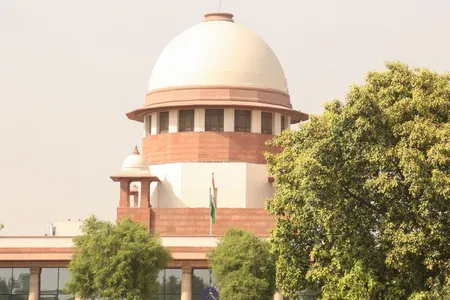
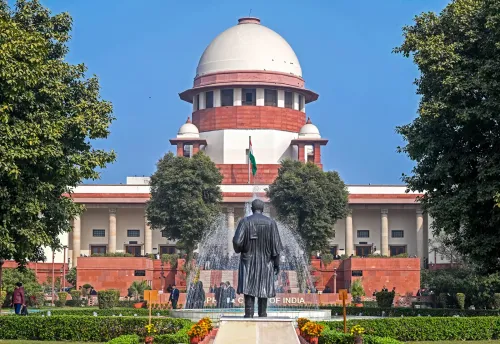
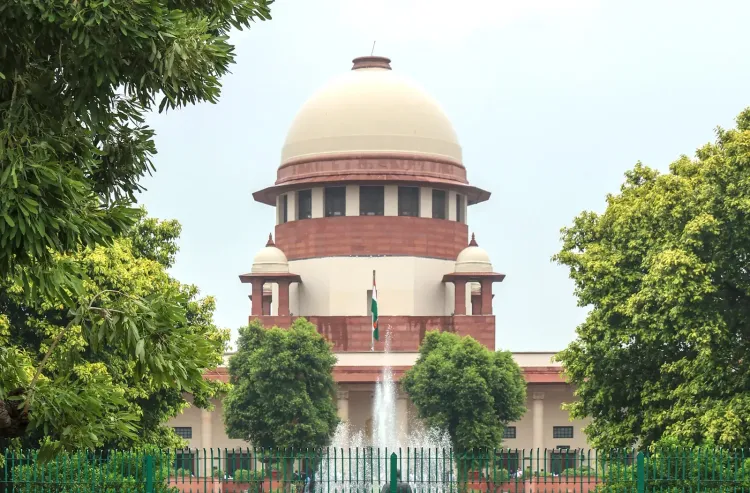
The Supreme Court of India on Thursday, 3 September issued notice to the Central government on a Public Interest Litigation (PIL) seeking to deny perks, facilities, and post-tenure benefits to constitutional functionaries who resign mid-term allegedly to evade removal proceedings. A bench comprising Chief Justice of India (CJI) Surya Kant and Justices Joymalya Bagchi and V. Mohana posted the matter for further hearing on 17 September.
What the PIL Argues
The petition, filed by Mumbai-based petitioner Pratik Vira through advocate-on-record Sangramsingh R. Bhonsle, raises a foundational constitutional question: whether high constitutional functionaries — elected or appointed for a fixed tenure — can legitimately resign to sidestep a constitutionally prescribed removal process and still retain the benefits that would accrue on completing their term.
The PIL contends that such offices carry 'an unwritten constitutional obligation' to either serve out the prescribed tenure or face a transparent removal procedure. Resigning to pre-empt that process, the petitioner argues, 'defeats the confidence placed by the Constitution in high constitutional functionaries.'
The Incentive Problem at the Heart of the Case
A central concern raised in the plea is structural: the continued availability of post-resignation perks and benefits, the petitioner argues, effectively creates a financial incentive for constitutional functionaries to choose resignation over facing removal proceedings. The PIL describes such resignations as an 'unprincipled device to avoid discharging constitutional duties' — conduct that, it contends, is contrary to the rule of law, which forms part of the basic structure of the Constitution.
The petition draws a pointed comparison with non-constitutional employees, whose service rules typically bar resignation when departmental proceedings that could result in removal are pending. The PIL argues that constitutional functionaries, who occupy a higher public trust, should be held to at least an equivalent — if not stricter — standard.
The Constitutional Equality Angle
The petitioner has also invoked Article 14 of the Constitution, arguing that allowing constitutional functionaries to resign mid-term and retain their benefits — while non-constitutional employees face restrictions on resignation during pending proceedings — amounts to 'hostile discrimination' and is constitutionally impermissible.
Notably, the PIL explicitly states it is not directed against any specific individual or triggered by a particular incident, framing the matter as a pure question of constitutional law with systemic implications.
Relief Sought
The petitioner has urged the Supreme Court to declare that constitutional functionaries who resign mid-term to avoid removal proceedings are not entitled to the perks, facilities, or benefits that would otherwise accrue on completion of tenure. The PIL also seeks directions to amend rules governing post-resignation and retiral benefits to make them inapplicable in such circumstances.
The petitioner argues that such a ruling would advance 'probity in public life, transparency, accountability and constitutional behaviour.' The matter will next come up before the bench on 17 September, when the Union of India is expected to file its response.
Point of View
Yet those procedures can be circumvented by the simple act of resignation — with benefits intact. The court's willingness to issue notice signals the question is not frivolous. What is less clear is the remedy: any judicial direction to strip benefits would require the court to adjudicate intent — why a functionary resigned — which is notoriously difficult to establish. If the court proceeds, it will need to craft a standard that does not chill legitimate resignations while closing the escape hatch the PIL targets. The absence of a named individual or incident is deliberate and strategically sound; it keeps the case in the realm of constitutional principle rather than political controversy.
NationPress
3 Sept 2026
Frequently Asked Questions
What is the Supreme Court PIL about constitutional functionaries resigning mid-term?
The PIL, filed by Mumbai-based petitioner Pratik Vira, asks the Supreme Court to deny perks and post-tenure benefits to constitutional functionaries who resign before completing their fixed term in order to avoid removal proceedings. The court issued notice to the Central government on 3 September and has listed the next hearing for 17 September.
Why does the petitioner argue that mid-term resignations by constitutional functionaries are problematic?
The petitioner argues that constitutional offices carry an implied obligation to either complete the prescribed tenure or face a transparent removal process as laid down by the Constitution. Resigning to pre-empt removal defeats the purpose of those constitutional safeguards and, the PIL contends, amounts to an 'unprincipled device to avoid discharging constitutional duties.'
How does the PIL invoke Article 14 of the Constitution?
The petition argues that allowing constitutional functionaries to resign mid-term and still retain their benefits — while non-constitutional employees face restrictions on resignation during pending disciplinary proceedings — constitutes 'hostile discrimination' that violates the right to equality under Article 14.
What relief has the petitioner sought from the Supreme Court?
The petitioner has sought a declaration that constitutional functionaries who resign mid-term to avoid removal are not entitled to post-tenure perks and benefits. The PIL also seeks directions to amend the relevant rules so that post-resignation and retiral benefits do not apply in such circumstances.
Is the PIL directed against a specific person or incident?
No. The petitioner has explicitly stated that the PIL is not directed against any particular individual and is not based on a specific incident. It is framed as a pure question of constitutional law with broader systemic implications for accountability in high public office.